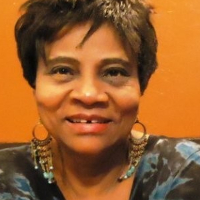
Sheree Moore, LCSW
Licensed in California · 15 years in practice
Sheree Moore is a licensed clinical social worker with 15 years of experience helping people find practical strategies for difficult moments.
License and registration
- LCSW, California
- 82316 · expires March 2026
- NPI
- 1447502646 · national provider identifier
- Years in practice
- 15
- Languages
- English
Details are as listed on the therapist's public professional profile. You can check any license with the state board and any NPI with the national registry.
About Sheree
Sheree Moore is a licensed clinical social worker with 15 years of experience helping people find practical strategies for difficult moments. She listens first, then offers clear tools clients can try between sessions. Parents and individuals often meet her when stress, anxiety, depression, trauma, or big life changes feel overwhelming.
Her background includes work in foster care, child welfare, and issues affecting older adults. That experience shapes a calm, down-to-earth way of talking about attachment, adoption and foster care concerns, and end-of-life questions.
Background and approach
She uses everyday language and step-by-step plans rather than jargon. Sheree draws on a relational approach that focuses on how relationships shape choices and feelings. She helps people notice patterns in their interactions and experiment with new ways of relating.
The aim is clearer self-awareness and steadier emotional responses in daily life. When trauma, panic, or intense anxiety are involved, she layers in practical therapies such as cognitive behavioral techniques, eye movement desensitization and reprocessing, and acceptance-based work. These are applied in ways that match each person’s pace and comfort level.
Sessions move at a practical pace. Clients can expect discussions about what’s happening now, short experiments to try outside sessions, and progress checks over time. Sheree emphasizes workable steps that fit a person’s everyday life, so change feels possible rather than overwhelming.
Focus areas and approaches
Everything Sheree lists on their public professional profile, in their own terms.
- Stress, Anxiety
- LGBT
- Trauma and abuse
- Depression
- Coping with life changes
- Adoption and foster care
- Aging and geriatric issues
- Attachment issues
- BDSM, kink, and alternative sex culture
- Codependency
- Coping with natural or human-caused disaster
- Dependent personality
- Forgiveness
- Guilt and shame
- Hospice and end-of-life counseling
- Isolation / loneliness
- Life purpose
- Panic disorder and panic attacks
- Self-love
- Social anxiety and phobia
- Women's issues
Approaches Sheree names
- Acceptance and Commitment Therapy (ACT)
- Cognitive Behavioral Therapy (CBT)
- Dialectical Behavior Therapy (DBT)
- Eye Movement Desensitization and Reprocessing (EMDR)
- Hypnotherapy
- Trauma-Focused Therapy
- Internal Family Systems
Naming an approach is not evidence of training in it. This directory copies what each therapist lists and does not check training records.
Online support
Online approaches that meet you where you are
Acceptance and Commitment Therapy helps people clarify values and take small actions that match what matters to them, even when feelings are uncomfortable. It’s useful for anxiety, life transitions, and when someone wants a clearer sense of purpose.Cognitive Behavioral Therapy focuses on changing unhelpful thinking and behavior patterns through short exercises and practice. It often helps with panic, social anxiety, depression, and coping skills for daily stressors.
Eye Movement Desensitization and Reprocessing is a trauma-focused approach that can reduce the intensity of traumatic memories and related symptoms. It is used when past events continue to cause strong reactions in everyday life.
Finding the right approach is part of the work. The therapist will collaborate with each person to choose methods that fit their goals, pace, and comfort level. This is an ongoing conversation rather than a one-time decision.
Online sessions are offered by licensed professionals through video calls, phone sessions, live chat, or text-based messaging. Video works well for deeper conversations and visual cues, phone can be helpful when less bandwidth is available, and chat or messaging suits quick check-ins or brief skill practice between appointments. These options make it easier to fit therapy into a busy life and to keep steady progress over time.
We will earn a commission if you sign up through our link, at no cost to you. It does not change what you pay or the order of the listings.
Questions people ask
What kinds of concerns does she address?
She works with people facing stress, anxiety, depression, trauma and life transitions. Other focuses include LGBT issues, adoption and foster care, aging and attachment concerns.
What is her therapy style like?
Her style is relational and collaborative, focusing on how relationships affect behavior and feelings. She blends practical tools with insight work to help people try new ways of coping.
How much experience does she have?
She has 15 years of clinical experience working in settings that include foster care, child welfare, and support for older adults.
What are her credentials and where is she based?
She is a licensed clinical social worker, listed as LCSW, practicing from California.
Can sessions be conducted in languages other than English?
Sessions are offered in English.
What session formats are available?
She offers video calls, phone sessions, live chat, and text-based messaging to fit different schedules and needs.
How does payment and cost work?
Cost varies with location and therapist availability; sessions are provided through a subscription model that can be canceled at any time.
What should I do to begin working together?
Click the Start Therapy button, complete a short matching questionnaire, and schedule sessions according to the therapist's availability.
More therapists in California
See allDeneta Jones-Udefi
LCSW
Practical support for relationships and personal growth
- Relationship
- Parenting
- Self esteem
Kendall Jones
LCSW
Calm guidance for grief, anxiety, and relationship struggles
- Stress, Anxiety
- LGBT
- Trauma and abuse
Mark Saverino
LCSW
Compassionate, practical support for life's hard moments
- Stress, Anxiety
- Grief
- Anger

Is this your profile?
Ask us to correct details or take the page down.
Contact us