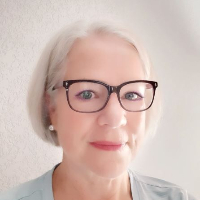
Nancy Hauck, LISW-CP, LCSW
Licensed in South Carolina · 20 years in practice
Nancy Hauck is a Licensed Independent Social Worker with clinical practice credentials and over 20 years of experience.
License and registration
- LISW-CP, South Carolina
- 13023 · expires December 2026
- LCSW, North Carolina
- C005733 · expires July 2026
- NPI
- 1730141490 · national provider identifier
- Years in practice
- 20
- Languages
- English
Details are as listed on the therapist's public professional profile. You can check any license with the state board and any NPI with the national registry.
About Nancy
Nancy Hauck is a Licensed Independent Social Worker with clinical practice credentials and over 20 years of experience. She focuses on helping people who feel overwhelmed by stress, anxiety, depression, grief, or trauma. Her style is warm and straightforward so parents and busy adults can talk through immediate problems and plan next steps.
She uses practical methods to address everyday struggles like parenting strain, work stress, relationship friction, and changes in mood or energy.
Background and approach
Sessions often include talking through patterns, learning coping skills, and practicing new ways to respond to strong emotions. Hypnotherapy may be offered alongside talk-based tools when relevant. Nancy has a background working with veterans and people affected by military life, and she is familiar with trauma and abuse recovery.
She also supports people facing personality challenges, bipolar mood shifts, seasonal affective disorder, ADHD, and compassion fatigue. Her clinical credentials are SC LISW-CP and NC LCSW. In conversations she keeps things collaborative and respectful.
The work is paced to each person’s needs, with short-term goals and longer-term growth as appropriate. Clients can expect clear suggestions, homework when helpful, and attention to what matters most in daily life. Sessions are available in English and offered from North Carolina.
Nancy combines client-centered listening with cognitive-behavioral and dialectical behavior tools to create practical, usable plans for coping and change.
Focus areas and approaches
Everything Nancy lists on their public professional profile, in their own terms.
- Stress, Anxiety
- Trauma and abuse
- Anger management
- Depression
- Grief
- Intimacy-related issues
- Parenting issues
- Self esteem
- Career difficulties
- Bipolar disorder
- Coping with life changes
- Coaching
- Compassion fatigue
- ADHD
- Veteran and Armed Forces Issues
- Personality disorders
- Seasonal Affective Disorder (SAD)
- Self-harm
Approaches Nancy names
- Client-Centered Therapy
- Cognitive Behavioral Therapy (CBT)
- Dialectical Behavior Therapy (DBT)
- Gottman Method
- Hypnotherapy
- Mindfulness Therapy
- Motivational Interviewing
- Solution-Focused Therapy
- Trauma-Focused Therapy
Naming an approach is not evidence of training in it. This directory copies what each therapist lists and does not check training records.
Online support
Approaches that guide online sessions
Client-centered therapy focuses on listening closely and building understanding. The therapist follows the person’s lead, reflecting concerns and priorities so solutions come from the client’s own goals. This approach helps people who need a respectful space to talk through feelings and decisions.Cognitive Behavioral Therapy, or CBT, looks at how thoughts and behaviors interact. Sessions identify unhelpful thinking patterns and test new behaviors to reduce symptoms like anxiety or low mood. CBT is useful for stress, panic, depression, and many everyday problems.
Dialectical Behavior Therapy, DBT, teaches specific skills for handling intense emotions and improving relationships. It offers tools for distress tolerance, emotional regulation, and clearer communication when feelings run high.
Choosing the right approach is part of the work. The therapist will collaborate with each person to weigh what fits their needs, goals, and preferences. That might mean starting with listening and then trying CBT or DBT skills, or combining methods over time.
Online therapy offers flexibility for busy lives. Video calls allow face-to-face conversation, phone sessions work well with lower bandwidth, and texting or live chat can fit quick check-ins or brief coaching between sessions. These options make it easier to get care around work, parenting, or other commitments and to use different formats as needs change.
We will earn a commission if you sign up through our link, at no cost to you. It does not change what you pay or the order of the listings.
Questions people ask
What concerns does Nancy commonly address?
She helps people dealing with stress, anxiety, depression, grief, trauma and abuse, anger, intimacy-related issues, parenting strain, self esteem, career challenges, bipolar disorder, ADHD, and coping with life changes.
How would you describe her therapeutic approach and style?
Her style is warm and interactive. She blends client-centered listening with cognitive-behavioral and dialectical behavior techniques and may include hypnotherapy when appropriate.
What is her professional background?
She has about 20 years of experience as a psychotherapist, including extensive work with trauma and people connected to military service.
What credentials does she hold and where is she based?
She holds SC LISW-CP and NC LCSW credentials and practices from North Carolina.
Which languages are sessions offered in?
Sessions are offered in English.
What session formats are available for online work?
She conducts sessions by video calls, phone sessions, live chat, or text-based messaging to fit different schedules and needs.
How does payment and cost work?
Costs vary with location and therapist availability; sessions use a subscription model that can be canceled at any time.
What are the first steps to begin therapy?
Click the Start Therapy button, complete a short matching questionnaire, and then schedule sessions according to the therapist's availability.
More therapists in North Carolina
See allRobert Lindsay
LCSW
Forward-focused therapist for practical change
- Stress, Anxiety
- Relationship
- Family

La Kevia Moore
LCSW
Practical, evidence-based support for stress and trauma
- Stress, Anxiety
- Trauma and abuse
- Self esteem

Aimee Campbell Culler
LCSW
Experienced LCSW providing steady support
- Stress, Anxiety
- Addictions
- Relationship

Angela Greene-Junior
LCSW, LISW-CP
Compassionate LCSW focused on practical change
- Stress, Anxiety
- Addictions
- Relationship
Is this your profile?
Ask us to correct details or take the page down.
Contact us