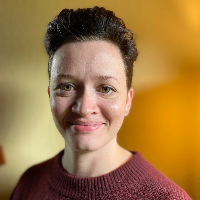
Amber Wright
LCSW
Calm, practical support for everyday struggles
- Stress, Anxiety
- Self esteem
- Depression
Clinical social work directory
87 Licensed Clinical Social Workers in this directory hold a license issued in Oklahoma. Sessions are online; a therapist can usually only see people in the states where they hold a license, so check the license panel on each profile.
Welcome to our directory of online therapists serving Oklahoma. All listed clinicians hold an LCSW license issued by their state board. Explore profiles to learn about each therapist's focus, approaches, language skills, and experience.
LCSW
Calm, practical support for everyday struggles
LCSW
Compassionate, experienced support for family and life change
LCSW
Compassionate, practical therapy for everyday struggles
LCSW
Compassionate, practical therapy for life challenges
LCSW
Compassionate, practical support for emotional struggles
LCSW
Compassionate practical support for daily struggles
LCSW
Experienced Oklahoma LCSW supporting practical change
LCSW
A practical, compassionate LCSW for life transitions
LCSW
Experienced LCSW offering practical, compassionate care
LCSW
Warm, practical therapy for stress and relationships
LCSW
Guide through stress and trauma recovery
LCSW
Compassionate care for life’s hardest changes
LCSW
Compassionate, practical care for stress and recovery
LCSW
Practical, experienced LCSW for stress and trauma
LCSW
Compassionate, practical support for everyday struggles
LCSW
Compassionate practical help for relationships and trauma
LCSW
Guiding people toward clearer, manageable steps
LCSW
Helping people manage stress and life transitions
LCSW
Calm, practical therapy for real-life stressors
LCSW
Practical support for relationship and trauma recovery
LCSW
Practical, conversational therapy for real life
LCSW, CSW
Compassionate clinical social worker focused on coping
LCSW, LISW
Practical, respectful support for life and relationship stress
LCSW
Calm practical therapy for everyday struggles
LCSW
Compassionate guidance for lasting coping skills
LCSW
Compassionate LCSW focused on practical change
LCSW
Practical support for stress and trauma
LCSW
Compassionate support for stress and trauma recovery
LCSW
Compassionate LCSW focused on practical change
LCSW
Practical support for stress and life transitions
LCSW
Compassionate help for trauma and anxiety
LCSW
Care focused, practical therapy for everyday life
LCSW
Calm, practical therapy for life's harder moments
LCSW
Centered, practical therapy for life and relationships
LCSW
Compassionate practical therapy for life’s challenges
LCSW
Compassionate, practical therapy for real-life challenges
LCSW
Practical, compassionate care for everyday challenges
LCSW
Compassionate practical support for everyday life struggles
Some links on this page are partner links. We will earn a commission if you sign up through one, at no cost to you. It does not change what you pay or the order of the listings.
Online therapy with an LCSW gives you access to licensed clinical social workers who combine clinical training with a broad view of your life circumstances. An LCSW holds a master's degree in social work, has completed a period of supervised post-graduate clinical experience - commonly two to three years and several thousand hours depending on the state - and has passed a clinical licensing examination. State licensing boards issue and renew the credential, and the scope of practice can vary from state to state. In Oklahoma, this credential authorizes clinical practice in the state and signals that the clinician has met that state's standards for advanced social work practice.
The distinctive social work perspective looks at the person-in-environment - that means an LCSW attends to housing, work, family, finances, community connections, and access to services alongside internal emotional experience. If you want someone who considers context as part of clinical work, you may find that perspective helpful. Online sessions with an LCSW allow you to bring that holistic lens into conversations even when you are not meeting in person, bridging practical concerns and therapeutic goals.
When you choose online sessions with an LCSW, you gain greater geographic flexibility. Oklahoma is a large state with pockets of rural and urban communities, and online meetings can reduce travel time and make it easier to fit therapy into a busy schedule. For people balancing work, caregiving, school, or limited transportation options, virtual sessions can make attending regular appointments more manageable. Online formats also let you connect with clinicians who list specific cultural, linguistic, or population-focused experience that may not be available locally.
Online therapy can also help you keep continuity of care when life circumstances change. If you move within Oklahoma or have a job with variable hours, meeting remotely can reduce interruptions. You will want to confirm practical matters such as session length, tech requirements, and how records and billing are handled before you begin. an LCSW working in clinical practice will still apply the person-in-environment lens through remote sessions, helping you address both internal experiences and the external factors that shape them.
Licensed clinical social workers in Oklahoma help people navigate a wide range of concerns. Many LCSWs list work with depression and anxiety, relationship and family issues, trauma and stress management, life transitions, grief, and coping with chronic health challenges. Others emphasize population-specific expertise such as perinatal mental health, veteran-related concerns, adolescent and young adult issues, or aging-related social and emotional needs. Because social work training includes attention to community resources, LCSWs often help you find practical supports in addition to clinical strategies.
You may also find LCSWs who list approaches that resonate with you - for example, therapists who list EMDR among their approaches, those who note strengths-based or trauma-informed work, or clinicians who highlight culturally responsive practice. The presence of an approach on a profile indicates that a therapist lists it among their methods; it is not a certification statement. Use profile details to see whether the clinician describes working with issues like yours and whether they communicate a way of working that feels like a good fit.
Verifying a license can give you clarity about a clinician's credentials and standing. Start by asking a therapist for their full name and license number if that information is not already listed. Use the Oklahoma state licensing board's online license lookup or call the board to confirm the status of the LCSW credential. The search should show the license type, current status, expiration date, and whether there are any board actions or disciplinary records. If the online lookup is unclear, you can contact the licensing board by phone or email for verification and for guidance on interpreting the results.
When you review verification details, make sure the license type shown matches LCSW and that the status is active. Remember that licensing rules and titles can differ by state, so a clinician licensed in another state may need a separate Oklahoma license to practice with Oklahoma residents. If you have questions about what the license permits or about any board actions, the licensing board is the authoritative source. Keeping your questions focused on license type, expiration, and disciplinary history will help you confirm that a clinician is legally authorized to provide clinical social work in Oklahoma.
Getting started is a step-by-step process that begins with clarifying your goals. Think about what you want to address - whether it is symptom relief, coping strategies, changes in relationships, assistance navigating systems, or practical supports - and what qualities you want in a clinician. Use therapist profiles to read about focus areas, stated approaches, languages spoken, and relevant experience. You can compare focus areas, approaches, credentials, languages, and experience to narrow your options. Contact clinicians to ask about the logistics you care about such as session format, fees, insurance policies, and how they handle documentation. Many LCSWs will explain how they work in an initial conversation so you can judge fit.
Before your first session, make sure your technology setup meets the clinician's requirements and that you have a quiet, comfortable setting for the appointment. It helps to have a sense of practical needs - whether you need to schedule around work or childcare, whether you require interpreter services, or whether you will use a particular payment method. If you use health insurance, ask whether an LCSW will submit claims or provide a superbill that you can submit yourself. Preparing questions in advance about approach, typical session structure, and goals can help make the first sessions more productive.
Choosing a therapist is both practical and personal. Start by reflecting on whether you prefer a clinician who emphasizes clinical strategies, one who focuses on social systems and access to resources, or someone who blends both perspectives. Consider language and cultural background when those factors matter for you, and look for therapists who explicitly note experience with populations or life stages relevant to your situation. If particular therapeutic approaches appeal to you, look for clinicians who list those approaches among their methods, keeping in mind that a listed approach indicates it is part of the clinician's practice, not a certification claim.
Think about logistics in terms other than availability. Ask about session length, tech platform preferences, cancellation policies, fees, and whether they work with insurance or offer sliding scale arrangements. Inquire how the clinician handles coordination with other providers if you see medical or psychiatric professionals. Finally, trust your sense of fit. It's normal to consult with more than one clinician before deciding who feels most aligned with your needs. You should feel that the LCSW listens to your concerns and explains a collaborative plan that integrates both your internal experiences and your external circumstances.
Online work with an LCSW can connect you with a clinician who brings a person-in-environment perspective to clinical care for residents across Oklahoma. By verifying credentials, clarifying goals, and asking practical questions about how a clinician works, you can make informed choices without relying on assumptions. Use profile details to learn about focus areas, approaches, languages, and experience, and reach out to a clinician to learn more about their way of working so you can decide if it meets your needs.