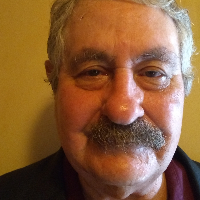
Robert Skuy, LCSW
Licensed in Oklahoma · 12 years in practice
Robert Skuy is a Licensed Clinical Social Worker with more than a decade of experience.
License and registration
- LCSW, Oklahoma
- 5721 · expires December 2026
- NPI
- 1093149023 · national provider identifier
- Years in practice
- 12
- Languages
- English
Details are as listed on the therapist's public professional profile. You can check any license with the state board and any NPI with the national registry.
About Robert
Robert Skuy is a Licensed Clinical Social Worker with more than a decade of experience. He practices in Oklahoma and brings a calm, warm presence to sessions. His tone is nonjudgmental and practical, aiming to make therapy feel straightforward and useful.
Robert's background includes work in education and long-term support for adults with developmental disabilities. He has also worked for the State of Oklahoma in Adult Protection Services, Developmental Disabilities, and Child Welfare.
Background and approach
That work included helping people involved in Child Welfare investigations and supporting those who have faced abuse and trauma. People come to him for common and painful problems: anxiety, depression, grief, sleep struggles, anger, and relationship or intimacy concerns.
He also helps with parenting strain, workplace stress, questions about identity including LGBT concerns, and life changes such as career transitions or coping with bipolar symptoms. Robert uses a mix of approaches adapted to each person.
He draws on client-centered methods to follow what matters to the client, cognitive behavioral techniques to change unhelpful thinking and behavior, and tools from DBT and EMDR when they fit the situation. He has a recent interest in mindfulness and integrates it into coping skills. He does not provide Christian-based or spiritual prayer services.
Robert focuses on developing an individual plan with each person and offers straightforward support, listening, and practical steps to address the problems that led them to reach out.
Focus areas and approaches
Everything Robert lists on their public professional profile, in their own terms.
- Stress, Anxiety
- Family conflicts
- Trauma and abuse
- Parenting issues
- Depression
- LGBT
- Relationship issues
- Grief
- Intimacy-related issues
- Sleeping disorders
- Anger management
- Self esteem
- Career difficulties
- Bipolar disorder
- Coping with life changes
- Attachment issues
- Blended family issues
- Communication problems
- Forgiveness
- Impulsivity
- Intellectual disability
- Life purpose
- Panic disorder and panic attacks
- Post-traumatic stress
- Self-love
- Social anxiety and phobia
- Workplace issues
Approaches Robert names
- Client-Centered Therapy
- Cognitive Behavioral Therapy (CBT)
- Dialectical Behavior Therapy (DBT)
- Eye Movement Desensitization and Reprocessing (EMDR)
- Mindfulness Therapy
Naming an approach is not evidence of training in it. This directory copies what each therapist lists and does not check training records.
Online support
How therapeutic approaches translate to online care
Client-centered therapy focuses on listening and following what matters most to the individual. In online sessions this means the therapist starts by understanding a person's goals and then shapes conversations and activities around those priorities. Cognitive Behavioral Therapy, or CBT, uses clear steps to identify and change thinking and behavior patterns that feed anxiety or depression. CBT tools work well in video or phone sessions because they involve homework, thought records, and concrete skill practice.Finding the right approach is part of the work together. The therapist will talk with the client about goals, past experiences, and preferences, then suggest approaches that fit. This collaborative process may combine methods and change over time as needs shift.
Online sessions offer practical flexibility. Video calls let people meet face-to-face from different locations. Phone sessions are helpful when bandwidth is limited or when a shorter check-in fits the day. Live chat and text messaging are useful for brief exchanges, skill reminders, or when ongoing written check-ins help progress. These options make it easier to fit therapy into work, school, or family schedules while using familiar therapeutic techniques.
We will earn a commission if you sign up through our link, at no cost to you. It does not change what you pay or the order of the listings.
Questions people ask
What concerns does this therapist address?
He works with stress, anxiety, depression, trauma and abuse, parenting strain, relationship and intimacy issues, grief, sleeping problems, anger, self-esteem, career questions, bipolar concerns, and coping with life changes.
How would you describe his therapy style?
His approach is warm and nonjudgmental. He focuses on listening first, then offers practical steps and skills tailored to each person's needs.
What is his professional background?
He has 12 years of experience and previously worked as a teacher and with developmentally disabled adults for many years, plus roles in Adult Protection Services and Child Welfare for the State of Oklahoma.
What credentials and location are listed?
He holds an LCSW, which stands for Licensed Clinical Social Worker, and practices in Oklahoma.
In which languages can sessions be held?
Sessions are offered in English, and international clients are accepted.
What session formats are available?
Sessions can be conducted by video call, phone, live chat, or text-based messaging to suit different schedules and preferences.
How does cost work for sessions?
Cost varies with location and therapist availability. Sessions are provided through a subscription model that can be canceled at any time.
How do I begin working with him?
Click the Start Therapy button, complete a short matching questionnaire, and schedule sessions according to therapist availability.
More therapists in Oklahoma
See allAmber Wright
LCSW
Calm, practical support for everyday struggles
- Stress, Anxiety
- Self esteem
- Depression

Annette Burleigh
LCSW
Compassionate, experienced support for family and life change
- Family
- Grief
- Parenting
Lorri Perez
LCSW
Compassionate, practical therapy for everyday struggles
- Stress, Anxiety
- Family
- Parenting

Camille Palmer
LCSW
Compassionate, practical therapy for life challenges
- Stress, Anxiety
- Addictions
- Family
Is this your profile?
Ask us to correct details or take the page down.
Contact us