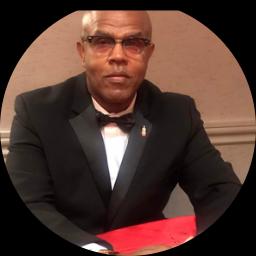
Kenneth Leggin, LCSW
Licensed in Illinois · 6 years in practice
Kenneth Leggin offers steady, down-to-earth support for people facing stress, anxiety, grief, anger, depression, addictions, career struggles, relationship strain, trauma and parenting challenges.
License and registration
- LCSW, Illinois
- 149006397 · expires November 2027
- NPI
- 1841064250 · national provider identifier
- Years in practice
- 6
- Languages
- English
Details are as listed on the therapist's public professional profile. You can check any license with the state board and any NPI with the national registry.
About Kenneth
Kenneth Leggin offers steady, down-to-earth support for people facing stress, anxiety, grief, anger, depression, addictions, career struggles, relationship strain, trauma and parenting challenges. He is a licensed clinical social worker, LCSW, practicing in Illinois. He aims to make conversations clear and practical so people can take small steps that feel doable.
He uses straightforward techniques to help people manage overwhelming feelings and make decisions that match their values. Sessions focus on skills for handling strong emotions, changing unhelpful thoughts, and building daily habits that reduce distress.
Background and approach
Work may include learning new ways to talk about problems, practicing emotion regulation, or setting goals for work and relationships. With six years of experience, he draws on approaches such as Acceptance and Commitment Therapy, Cognitive Behavioral Therapy, and Dialectical Behavior Therapy. Those methods are used to teach coping tools, shift thinking patterns, and improve emotion control.
The emphasis is on practical strategies people can use between sessions. He aims for a collaborative atmosphere where clients set the pace and decide what to tackle first. He respects each person’s background and the ways past events still matter today.
The therapist helps clients notice what matters most to them and then take achievable steps toward those goals. Sessions are offered in English and are available to international clients. Work can address caregiver stress, communication problems, control issues, money and workplace concerns, social anxiety, forgiveness, impulsivity, life purpose, and men's issues among other areas.
Focus areas and approaches
Everything Kenneth lists on their public professional profile, in their own terms.
- Stress, Anxiety
- Grief
- Anger management
- Career difficulties
- Depression
- Addictions
- Relationship issues
- Trauma and abuse
- Parenting issues
- Caregiver issues and stress
- Communication problems
- Control issues
- Divorce and separation
- Forgiveness
- Impulsivity
- Life purpose
- Men's issues
- Money and financial issues
- Social anxiety and phobia
- Workplace issues
Approaches Kenneth names
- Acceptance and Commitment Therapy (ACT)
- Cognitive Behavioral Therapy (CBT)
- Dialectical Behavior Therapy (DBT)
Naming an approach is not evidence of training in it. This directory copies what each therapist lists and does not check training records.
Online support
How his approaches work online
Acceptance and Commitment Therapy, or ACT, helps people clarify their values and take small committed steps toward them. It focuses on noticing difficult thoughts and feelings without getting stuck, and then choosing actions that matter. Cognitive Behavioral Therapy, CBT, targets unhelpful thought patterns and teaches practical techniques for changing behaviors and moods. It is useful for anxiety, depression, and workplace or relationship stress. Dialectical Behavior Therapy, DBT, emphasizes emotion regulation and distress tolerance skills to reduce impulsivity and improve communication.Choosing the right approach is part of the work. The therapist will talk with each person about goals, preferences, and what feels most helpful. Together they try methods and adjust the plan as progress and needs change, so therapy stays practical and relevant.
Online sessions are offered as video calls, phone sessions, live chat, or text-based messaging to fit different schedules and needs. Video calls let people have a fuller conversation when they want face-to-face contact. Phone sessions can work well with limited bandwidth or for a quick check-in. Live chat and text messaging are useful for short updates, skill practice, or when writing feels easier than talking. These options make it easier to keep therapy consistent around busy days and different time zones.
We will earn a commission if you sign up through our link, at no cost to you. It does not change what you pay or the order of the listings.
Questions people ask
What concerns does this therapist help with?
Areas include stress, anxiety, grief, anger, career and depression. He also addresses addictions, relationship issues, parenting, and trauma and abuse.
What style of therapy can I expect?
Sessions are practical and skills-focused, using methods that teach emotion regulation and thought work. The approach is collaborative and paced to each person's needs.
How much clinical experience does he have?
He has six years of professional experience working with the listed concerns. That experience shapes his practical, stepwise approach.
What are his credentials and where is he based?
He holds an LCSW, which stands for licensed clinical social worker, and practices in Illinois.
Which languages are sessions offered in?
Sessions are offered in English, and international clients are accepted.
What session formats are available?
Work can take place via video calls, phone sessions, live chat, or text-based messaging. Different formats allow flexibility for check-ins and deeper conversations.
How does pricing work?
Cost varies with location and therapist availability and uses a subscription model that can be canceled at any time.
How do I begin working with this therapist?
Start by selecting the Start Therapy button and completing a short matching questionnaire. Then schedule sessions according to therapist availability.
More therapists in Illinois
See allJack Richey
LCSW
Practical support for stress and relationship strain
- Stress, Anxiety
- Grief
- Self esteem
Marilyn Medow
LCSW
Compassionate guidance grounded in decades of practice
- Stress, Anxiety
- Family
- Trauma and abuse

Debbie Chirikos
LCSW
Experienced LCSW offering steady, practical support
- Stress, Anxiety
- Family
- Parenting

Is this your profile?
Ask us to correct details or take the page down.
Contact us