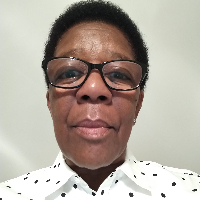
Eunice Banks, LMSW, LCSW, CSW
Licensed in Georgia · 36 years in practice
Eunice Banks helps people who are feeling overwhelmed by stress, anxiety, relationship strain, grief, or major life changes.
License and registration
- LCSW, Georgia
- CSW005240 · expires September 2026
- LMSW, Michigan
- 6801094417 · expires June 2028
- NPI
- 1073916524 · national provider identifier
- Years in practice
- 36
- Languages
- English
Details are as listed on the therapist's public professional profile. You can check any license with the state board and any NPI with the national registry.
About Eunice
Eunice Banks helps people who are feeling overwhelmed by stress, anxiety, relationship strain, grief, or major life changes. She aims to help clients build practical coping skills to manage daily pressures and improve day-to-day functioning. Eunice brings a calm, steady presence to sessions and focuses on what can be done now to make life a bit easier.
She has worked in social work since 1987 and holds the Licensed Master Social Worker credential (LMSW) and the Licensed Clinical Social Worker credential (LCSW).
Background and approach
Eunice has long experience supporting people with mood concerns, trauma and addiction issues, and challenges like sleep or eating struggles. She also addresses caregiving strain, chronic illness, aging concerns, workplace stress, and financial worries. Her approach is practical and person-focused.
She uses client-centered methods to follow what matters most to each person. Cognitive Behavioral Therapy techniques are used when changing unhelpful thinking or habits will help a client meet their goals. Sessions blend structured skill building with straightforward conversation.
Eunice works collaboratively to set small, achievable steps and to track progress. She values reliability, adaptability, and an encouraging attitude in therapy. People who want clear tools, steady support, and someone who listens without rushing will find her style easy to work with.
Her long career includes both individual and organizational work, which informs a flexible, solution-oriented approach.
Focus areas and approaches
Everything Eunice lists on their public professional profile, in their own terms.
- Stress, Anxiety
- LGBT
- Relationship issues
- Family conflicts
- Depression
- Addictions
- Trauma and abuse
- Grief
- Intimacy-related issues
- Eating disorders
- Sleeping disorders
- Parenting issues
- Anger management
- Self esteem
- Career difficulties
- Bipolar disorder
- Coping with life changes
- Coaching
- Compassion fatigue
- ADHD
- Aging and geriatric issues
- Caregiver issues and stress
- Chronic pain, illness, and disability
- Commitment issues
- Family problems
- Hospice and end-of-life counseling
- Midlife crisis
- Veteran and Armed Forces Issues
- Money and financial issues
- Women's issues
- Workplace issues
Approaches Eunice names
- Client-Centered Therapy
- Cognitive Behavioral Therapy (CBT)
- Mindfulness Therapy
- Motivational Interviewing
- Solution-Focused Therapy
Naming an approach is not evidence of training in it. This directory copies what each therapist lists and does not check training records.
Online support
Approaches that translate well to online therapy
Client-centered work focuses on listening and understanding each person's priorities and goals. In practice this means sessions begin by asking what matters most and then shaping conversations around those concerns to help people feel heard and find workable next steps.Cognitive Behavioral Therapy (CBT) looks at the links between thoughts, feelings, and actions and teaches specific skills to change patterns that cause distress. This approach is useful for anxiety, depression, sleep or eating problems, and stress because it gives clear exercises and homework to try between sessions.
Finding the right approach is collaborative. The therapist will discuss options with the client and tailor methods to fit their needs, goals, and comfort. Together they set short-term goals and adjust methods over time if something isn’t working.
Online formats include video calls, phone sessions, live chat, and text-based messaging. Video calls are good for face-to-face conversation and shared worksheets. Phone sessions can be easier when a shorter check-in is needed or bandwidth is limited. Live chat and messaging let clients send brief updates, ask questions between sessions, or choose a format that fits a busy schedule. These options make it easier to keep therapy consistent while fitting work, caregiving, or health demands into a routine.
We will earn a commission if you sign up through our link, at no cost to you. It does not change what you pay or the order of the listings.
Questions people ask
What kinds of concerns does Eunice work with?
She helps people facing stress, anxiety, depression, grief, relationship and intimacy issues, addictions, trauma, sleep and eating problems, parenting strain, ADHD, bipolar concerns, and related life challenges.
How would you describe her therapy style?
Her style is practical and person-centered, combining client-centered conversation with goal-focused techniques like cognitive behavioral strategies and solution-focused steps.
How long has she been practicing?
She has 36 years of experience in social work, including work with individuals and organizational settings since 1987.
What credentials does she hold and where is she based?
She holds LMSW and LCSW credentials and practices in Georgia.
In which languages are sessions offered?
Sessions are offered in English and international clients are not accepted.
What session formats are available?
She offers video calls, phone sessions, live chat, and text-based messaging to fit different needs and schedules.
How are sessions priced?
Cost varies with location and therapist availability; sessions use a subscription model that can be canceled at any time.
How do I begin working with her?
Choose the Start Therapy button, complete a short matching questionnaire, and schedule sessions according to therapist availability.
More therapists in Georgia
See allDr. Kerene Brown
LICSW, LCSW, CSW
Practical, compassionate support for life transitions
- Stress, Anxiety
- Trauma and abuse
- Self esteem
Remmawii (Karuna) Kristjanson
LCSW, CSW
Compassionate support for trauma and addiction recovery
- Addictions
- Relationship
- Trauma and abuse

Lawanna Barron
LCSW, CSW
Experienced Georgia LCSW focused on practical support
- Stress, Anxiety
- Career
- Depression

Mary Smith Tyler
LCSW, CSW
Compassionate social worker focusing on relationships
- Relationship
- Family
- Parenting
Is this your profile?
Ask us to correct details or take the page down.
Contact us