
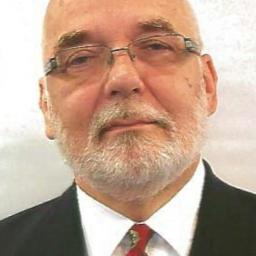
Colin Christman, LCSW
Licensed in Connecticut · 5 years in practice
Colin Christman is a licensed clinical social worker in Connecticut who takes a thoughtful, psychodynamic approach to therapy.
License and registration
- LCSW, Connecticut
- 58.013911 · expires November 2026
- NPI
- 1356197396 · national provider identifier
- Years in practice
- 5
- Languages
- English
Details are as listed on the therapist's public professional profile. You can check any license with the state board and any NPI with the national registry.
About Colin
Colin Christman is a licensed clinical social worker in Connecticut who takes a thoughtful, psychodynamic approach to therapy. He speaks plainly about emotional needs and helps people identify what’s missing in their lives. Sessions begin with simple questions about who a person is and what matters to them.
Colin draws on five years of experience in intensive care settings and residential treatment. He has worked with severe behavioral health challenges including substance use, self-harm, suicidality, eating disorders, and complex trauma.
Background and approach
That background shapes his comfort with complicated, layered problems. He often focuses on trauma and abuse, eating concerns, depression, and coping with life changes. He also addresses related areas such as abandonment, attachment issues, body image, caregiver stress, and chronic illness.
He pays attention to how overlapping difficulties affect daily functioning. In sessions he looks for unmet emotional needs - safety, connection, identity, purpose, and structure - and then explores how those gaps lead to harmful patterns. Work in therapy connects current problems to deeper beliefs and life history so clients can choose different behaviors aligned with their values.
Colin values practical, step-by-step work alongside deeper reflection. He balances understanding the past with building skills and routines that make daily life more manageable. Emma, a certified emotional support dog, may sometimes be present during sessions.
Focus areas and approaches
Everything Colin lists on their public professional profile, in their own terms.
- Family conflicts
- Trauma and abuse
- Eating disorders
- Depression
- Coping with life changes
- Abandonment
- Adoption and foster care
- Antisocial personality
- Attachment issues
- Avoidant personality
- Body image
- Caregiver issues and stress
- Chronic pain, illness, and disability
- Co-morbidity
- Codependency
- Commitment issues
- Communication problems
- Control issues
- Coping with natural or human-caused disaster
- Disruptive Mood Dysregulation Disorder (DMDD)
- Dissociation
- Divorce and separation
- Drug and alcohol addiction
- Eating and food-related issues
- Family problems
- Fatherhood issues
- Fertility issues
- Forgiveness
- Guilt and shame
- Impulsivity
- Infidelity
- Isolation / loneliness
- Jealousy
- Life purpose
- Men's issues
- Midlife crisis
- Money and financial issues
- Mood disorders
- Narcissism
- Obsessions, compulsions, and OCD
- Personality disorders
- Phobias
- Postpartum depression
- Post-traumatic stress
- Process addiction (porn, exercise, gambling)
- Seasonal Affective Disorder (SAD)
- Self-love
- Sex addiction
- Sexual assault and abuse
- Sexual dysfunction
- Smoking / vaping cessation
- Social anxiety and phobia
- Workplace issues
- Young adult issues
Online support
How therapeutic approaches translate to online care
Colin describes his work through psychodynamic ideas that look at how past experiences shape current patterns. This approach involves talking about life stories, identifying recurring relationship patterns, and connecting those patterns to present-day feelings and choices. It can help when depression or attachment issues make relationships or daily routines feel stuck.He also uses trauma-focused ways of working that focus on understanding how traumatic events changed a person’s sense of safety and connection. That can help people who struggle with abuse, complex trauma, or intense emotional reactions to stress. In addition, his practice includes attention to eating and body-image concerns with a focus on how beliefs and routines affect daily habits and self-care.
Finding the right approach is a collaborative process. The therapist will listen to goals, try different ways of working, and adjust methods based on what helps most. Clients and the therapist decide together whether to emphasize insight, coping skills, or changes to daily routines.
Online formats include video calls, phone sessions, live chat, and text-based messaging. Video lets people use facial cues and longer conversations. Phone sessions need less bandwidth and can fit into a work break. Live chat and text work well for shorter check-ins, tracking progress, and steady support between longer sessions. These options make it easier to fit therapy into busy lives and can keep momentum between appointments.
We will earn a commission if you sign up through our link, at no cost to you. It does not change what you pay or the order of the listings.
Questions people ask
What kinds of problems does this therapist address?
He works with people facing family-related stress, trauma and abuse, eating concerns, depression, and major life changes. Other areas include attachment problems, abandonment, body image, and caregiver stress.
How would you describe the therapy style?
The approach is psychodynamic and reflective, with attention to how past experiences shape present behavior. Sessions mix insight about underlying beliefs with practical steps to change daily patterns.
What relevant experience does he bring?
Colin has five years of clinical experience, largely in inpatient and residential intensive care settings treating severe behavioral health issues and complex trauma. That work informed his handling of layered problems.
What are his credentials and where is he based?
He is a licensed clinical social worker, LCSW, practicing in Connecticut. The profile lists Connecticut as his professional location.
Which languages are supported and can international clients participate?
Sessions are offered in English, and international clients are accepted.
What session formats are available?
Sessions can be held as video calls, phone sessions, live chat, or text-based messaging to match different schedules and preferences.
How is cost handled?
Cost varies with location and therapist availability and is managed through a subscription model that can be canceled at any time.
What steps start the process of working together?
Begin by selecting the Start Therapy button, completing a short matching questionnaire, and then scheduling sessions according to the therapist's availability.
More therapists in Connecticut
See allNancy Fawcett
LCSW
Compassionate, practical support for stress and trauma
- Stress, Anxiety
- Relationship
- Family


Deborah Radcliffe
LCSW
Helping people navigate intense feelings
- Stress, Anxiety
- Addictions
- Trauma and abuse

Alfred Mayer
LCSW
Compassionate, practical therapy for everyday struggles
- Stress, Anxiety
- Relationship
- Grief
Is this your profile?
Ask us to correct details or take the page down.
Contact us