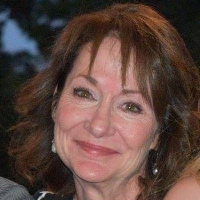
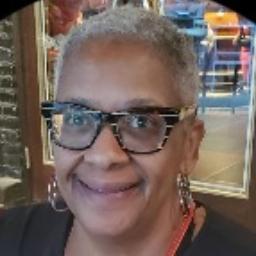
Prof. Sandra Brackenridge, LCSW
Licensed in Texas · 31 years in practice
Prof. Sandra Brackenridge brings over three decades of clinical and academic experience to her therapy work.
License and registration
- LCSW, Texas
- 52300 · expires August 2026
- NPI
- 1235368705 · national provider identifier
- Years in practice
- 31
- Languages
- English
Details are as listed on the therapist's public professional profile. You can check any license with the state board and any NPI with the national registry.
About Sandra
Prof. Sandra Brackenridge brings over three decades of clinical and academic experience to her therapy work. She spent 23 years as a professor of social work and continues to supervise social workers as they pursue clinical licensure.
Sandra is based in Texas and holds an LCSW, a credential she uses while offering individual support online. Her background includes teaching, publishing, and presenting on grief and bereavement and on mental health in healthcare settings.
Background and approach
She has researched and written about how natural disasters and pandemics affect mental health, and she has worked with veterinary professionals and other healthcare workers on job-related stress. This experience shapes how she notices burnout and compassion fatigue. Sandra’s approach is practical and person-focused.
She uses attachment-based ideas to look at relationships and narrative therapy to help people retell their experiences. Client-centered methods guide sessions so people set the pace and goals. She is also familiar with existential questions about meaning and purpose.
Clients come for a wide range of concerns including stress, anxiety, depression, grief, relationship and intimacy issues, addictions, parenting challenges, and coping with major life changes. Sandra also focuses on blended family issues, caregiver stress, first responder issues, and hospice and end-of-life matters. Sessions are conversational and direct.
She listens closely, tracks patterns that matter, and helps people find manageable steps forward. Sandra aims to make therapy feel understandable and useful for everyday life.
Focus areas and approaches
Everything Sandra lists on their public professional profile, in their own terms.
- Stress, Anxiety
- Relationship issues
- Grief
- Depression
- Compassion fatigue
- Addictions
- Family conflicts
- Trauma and abuse
- Intimacy-related issues
- Parenting issues
- Self esteem
- Career difficulties
- Bipolar disorder
- Coping with life changes
- ADHD
- Blended family issues
- Caregiver issues and stress
- Coping with natural or human-caused disaster
- Divorce and separation
- First responder issues
- Hospice and end-of-life counseling
- Isolation / loneliness
- Life purpose
Approaches Sandra names
- Attachment-Based Therapy
- Client-Centered Therapy
- Existential Therapy
- Gottman Method
- Narrative Therapy
- Psychodynamic Therapy
- Solution-Focused Therapy
Naming an approach is not evidence of training in it. This directory copies what each therapist lists and does not check training records.
Online support
How attachment and narrative approaches work online
Attachment-Based Therapy focuses on how early and current relationships affect feelings and behavior; it helps people understand patterns in close relationships and improve emotional connection. Client-Centered Therapy centers on the person in the room, giving them space to set the pace and goals while the therapist listens and reflects. Narrative Therapy looks at the stories people tell about themselves and separates problems from identity so a person can try new ways of living and relating.Choosing the right approach is part of the work together. The therapist will ask about needs, goals, and preferences and then suggest approaches to try. Sessions are collaborative so adjustments can be made if an approach does not feel like a good fit.
Online therapy offers flexibility through video calls, phone sessions, live chat, or text-based messaging. Video is useful for deeper conversation and visual cues. Phone sessions can fit a shorter break at work or take less bandwidth. Live chat and text are useful for quick check-ins, processing between sessions, or when someone prefers writing. These options make it easier to schedule regular sessions and maintain momentum toward goals.
We will earn a commission if you sign up through our link, at no cost to you. It does not change what you pay or the order of the listings.
Questions people ask
What kinds of concerns does she help with?
She works with stress, anxiety, depression, grief, relationship and intimacy issues, addictions, parenting concerns, and coping with life changes. Additional focuses include caregiver stress, burnout, and disaster-related mental health impacts.
What is her general therapy style?
Sessions are conversational and client-centered, with an emphasis on listening and practical steps. She blends relational and narrative approaches to help people make sense of their experiences.
How long has she been practicing?
She has 31 years of experience, including 23 years as a professor of social work and ongoing supervision of social workers pursuing clinical licensure.
Where is she based and what credential does she hold?
She practices from Texas and holds an LCSW, listed as TX LCSW in her credential information.
Can I work with her if I live outside the United States?
Sessions are available to international clients; she offers services to people outside the U.S.
In what formats are sessions offered?
She provides video calls, phone sessions, live chat, and text-based messaging to suit different needs and schedules.
How are sessions billed and what does it cost?
Cost varies with location and therapist availability; sessions use a subscription model that can be canceled at any time.
How do I begin working with her?
Start by selecting the Start Therapy button, completing a short matching questionnaire, and then scheduling according to therapist availability.
More therapists in Texas
See allTinita Samuels
LCSW
Compassionate, practical support for emotional challenges
- Stress, Anxiety
- Grief
- Anger
Ersha Mitchell
LCSW
Practical, values-driven therapy for life challenges
- Stress, Anxiety
- LGBT
- Trauma and abuse
Juanita Perry-Hoffman
LCSW
Experienced LCSW offering steady practical support
- Stress, Anxiety
- Relationship
- Family
Is this your profile?
Ask us to correct details or take the page down.
Contact us