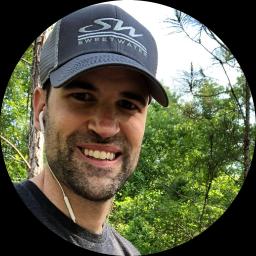
Steven Van Schaick, LCSW
Licensed in North Carolina · 10 years in practice
Steven Van Schaick is a Licensed Clinical Social Worker (LCSW) with ten years of front‑line experience helping people facing strong life stressors.
License and registration
- LCSW, North Carolina
- C009591 · expires July 2027
- NPI
- 1174913883 · national provider identifier
- Years in practice
- 10
- Languages
- English
Details are as listed on the therapist's public professional profile. You can check any license with the state board and any NPI with the national registry.
About Steven
Steven Van Schaick is a Licensed Clinical Social Worker (LCSW) with ten years of front‑line experience helping people facing strong life stressors. He connects with people who need practical, direct help rather than drawn‑out therapy. His style is hands‑on and results‑oriented, aimed at getting people back to functioning well fast.
He built his career working where people were already living and healing - in residential treatment, in‑patient psychiatric settings, and through in‑home counseling for high‑risk households.
Background and approach
That background shaped his preference for straightforward work that addresses urgent problems. He often supports people dealing with depression, panic and anxiety, trauma, complicated family relationships, and addictions. Steven uses a mix of methods to match each person’s needs.
He leans on approaches that focus on changing unhelpful thoughts and behaviors, building coping skills, and addressing trauma when it’s part of the problem. He emphasizes practical tools people can use between sessions and clear goals during treatment. He frames therapy as a collaborative process.
For some people that looks like messaging and brief check‑ins. For others it means deeper sessions to find and interrupt the patterns that sustain distress, then live sessions to practice new ways of coping. His aim is to help people regain balance and control over their lives.
Clients can expect a pragmatic, experienced clinician who values real‑world experience and direct communication. He brings lessons learned from working with high‑need populations into a therapy approach focused on recovery, skill building, and moving forward.
Focus areas and approaches
Everything Steven lists on their public professional profile, in their own terms.
- Stress, Anxiety
- Family conflicts
- Parenting issues
- Anger management
- Depression
- Addictions
- Relationship issues
- Trauma and abuse
- Eating disorders
- Self esteem
- Bipolar disorder
- Coping with life changes
- Communication problems
- Control issues
- Family problems
- Forgiveness
- Mood disorders
- Obsessions, compulsions, and OCD
- Panic disorder and panic attacks
- Post-traumatic stress
- Process addiction (porn, exercise, gambling)
- Self-harm
- Social anxiety and phobia
Approaches Steven names
- Cognitive Behavioral Therapy (CBT)
- Dialectical Behavior Therapy (DBT)
- Motivational Interviewing
- Solution-Focused Therapy
- Trauma-Focused Therapy
Naming an approach is not evidence of training in it. This directory copies what each therapist lists and does not check training records.
Online support
Practical approaches for online recovery and coping
Steven commonly draws on Cognitive Behavioral Therapy - a method that helps people identify and change unhelpful thoughts and behaviors - to reduce symptoms like anxiety, panic, and low mood. He also uses Dialectical Behavior Therapy techniques to teach emotional regulation, distress tolerance, and interpersonal effectiveness skills useful in high‑stress situations. Trauma‑Focused Therapy is applied when traumatic experiences are part of the picture, with techniques aimed at processing traumatic memories and reducing their hold on daily life.Choosing the right approach is a collaborative process. The therapist works with each person to assess goals, needs, and preferences before deciding which methods to emphasize. That means some people begin with short, solution‑focused work while others move into deeper trauma‑focused or skills‑based sessions as readiness grows.
Online therapy offers flexibility that fits busy or complicated lives. Video calls allow face‑to‑face work for skill practice and deeper sessions. Phone sessions offer a lower bandwidth option when video is difficult. Live chat and text‑based messaging are useful for brief check‑ins, coaching between sessions, and steady support during stressful moments. These formats make it easier to work on communication skills, coping strategies, and relapse prevention without major travel or schedule changes.
We will earn a commission if you sign up through our link, at no cost to you. It does not change what you pay or the order of the listings.
Questions people ask
What concerns does he help address?
He works with stress, anxiety, depression, trauma and abuse, addictions, relationship strain, parenting and family problems, eating issues, bipolar mood concerns, and coping with life changes.
What is his therapeutic style like?
The approach is practical and direct, focused on problem solving and skill building. Sessions can be brief check‑ins or deeper work depending on the issue.
How much experience does he have?
He has ten years of experience working in residential treatment, in‑patient psychiatric care, and in‑home counseling with high‑risk households.
What credential does he hold and where is he located?
He is a Licensed Clinical Social Worker, LCSW, licensed in North Carolina.
Which languages are supported?
Sessions are offered in English.
What session formats are available?
Sessions can be conducted via video calls, phone sessions, live chat, or text‑based messaging.
How does payment and cost work?
Cost varies with location and therapist availability; sessions are provided through a subscription model that can be canceled at any time.
How do I begin with this therapist?
Start by selecting the Start Therapy button, complete a short matching questionnaire, then schedule sessions according to the therapist's availability.
More therapists in North Carolina
See allRobert Lindsay
LCSW
Forward-focused therapist for practical change
- Stress, Anxiety
- Relationship
- Family
La Kevia Moore
LCSW
Practical, evidence-based support for stress and trauma
- Stress, Anxiety
- Trauma and abuse
- Self esteem

Aimee Campbell Culler
LCSW
Experienced LCSW providing steady support
- Stress, Anxiety
- Addictions
- Relationship
Angela Greene-Junior
LCSW, LISW-CP
Compassionate LCSW focused on practical change
- Stress, Anxiety
- Addictions
- Relationship
Is this your profile?
Ask us to correct details or take the page down.
Contact us