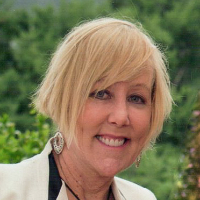
Dr. Carol Schmidt, LCSW
Licensed in California · 10 years in practice
Dr. Carol Schmidt helps people facing stress, anxiety, depression, grief, and the strain of life changes.
License and registration
- LCSW, California
- 14175 · expires March 2027
- NPI
- 1508486176 · national provider identifier
- Years in practice
- 10
- Languages
- English
Details are as listed on the therapist's public professional profile. You can check any license with the state board and any NPI with the national registry.
About Carol
Dr. Carol Schmidt helps people facing stress, anxiety, depression, grief, and the strain of life changes. She works with concerns around relationships, parenting challenges, trauma and abuse, and struggles with self-esteem or anger.
People also turn to her for help with ADHD, bipolar mood issues, career direction, and obsessive or panic symptoms. Dr. Schmidt practices in California and brings ten years of clinical experience to her work.
She holds a Ph.D. in Counseling Psychology and is a Licensed Clinical Social Worker - LCSW.
Background and approach
Her manner is warm and direct, and she aims to make sessions straightforward and useful. In sessions she listens closely and centers the conversation on what a person most wants to change. She blends client-centered conversations with practical tools from cognitive behavioral therapy and ideas from psychodynamic therapy.
That means she helps people notice patterns, test new behaviors, and reflect on past influences when those matter. Therapy with her often includes short-term strategies to reduce anxiety and mood symptoms, plus deeper work on relationship or family patterns when clients want that. She pays attention to how daily routines, work stress, and parenting demands affect mood and coping.
Her approach is collaborative. She helps people set clear goals, track progress, and adjust plans as life changes. Sessions are offered by video call, phone, live chat, or text-based messaging to fit different schedules.
Focus areas and approaches
Everything Carol lists on their public professional profile, in their own terms.
- Stress, Anxiety
- Family conflicts
- Grief
- Depression
- Coping with life changes
- Relationship issues
- Trauma and abuse
- Intimacy-related issues
- Parenting issues
- Anger management
- Self esteem
- Career difficulties
- Bipolar disorder
- Coaching
- ADHD
- Autism and Asperger Syndrome
- Blended family issues
- Codependency
- Divorce and separation
- Family problems
- Forgiveness
- Impulsivity
- Isolation / loneliness
- Life purpose
- Mood disorders
- Obsessions, compulsions, and OCD
- Panic disorder and panic attacks
- Personality disorders
- Social anxiety and phobia
- Somatization
- Women's issues
- Young adult issues
Approaches Carol names
Naming an approach is not evidence of training in it. This directory copies what each therapist lists and does not check training records.
Online support
Therapeutic approaches and online options
Client-centered therapy focuses on the person in the room. The therapist listens without judgment, reflects what she hears, and helps clients find their own solutions; this approach supports issues like low self-esteem, life purpose, and family conflict. Cognitive behavioral therapy, or CBT, looks at the link between thoughts, feelings, and actions. It provides practical strategies to reduce anxiety, manage mood swings, and interrupt compulsive or avoidant behavior. Psychodynamic therapy pays attention to patterns that began earlier in life and still affect current relationships and reactions; it can help when repeated relationship or intimacy problems keep appearing.Choosing the right approach is part of the work together. The therapist will talk with the client about goals, try strategies, and adjust the plan based on what helps. That collaborative process lets someone try short-term tools first and then move to deeper exploration if desired.
Online sessions are offered by video calls, phone, live chat, or text-based messaging to make therapy fit into busy lives. Video is useful for a full conversation and visual connection, phone can work when bandwidth is limited, live chat is convenient for shorter check-ins, and messaging supports ongoing reflection between sessions. These options make it easier to schedule appointments around work, parenting, or travel.
We will earn a commission if you sign up through our link, at no cost to you. It does not change what you pay or the order of the listings.
Questions people ask
What issues does this therapist help with?
She supports people with stress, anxiety, depression, grief, relationship and family concerns, trauma and abuse, parenting strain, ADHD, bipolar mood issues, obsessions and panic, and related areas.
How would you describe the therapy style?
The style is warm and direct with an emphasis on collaboration. Sessions mix attentive listening with practical exercises to test new behaviors and build skills.
What background and experience does she have?
She has ten years of clinical experience and holds a Ph.D. in Counseling Psychology. She uses that background to offer both short-term strategies and deeper therapeutic work.
What credentials and location are listed?
She is a Licensed Clinical Social Worker, LCSW, and practices in California.
Which languages are sessions offered in?
Sessions are offered in English and international clients are not currently accepted.
What session formats are available?
Appointments can be held by video calls, phone sessions, live chat, or text-based messaging to fit different needs and schedules.
How does cost and billing work?
Cost varies with location and therapist availability; sessions use a subscription that can be canceled at any time.
What are the first steps to begin therapy?
Start by selecting the Start Therapy button, complete a short matching questionnaire, and then schedule sessions according to the therapist's availability.
More therapists in California
See allDeneta Jones-Udefi
LCSW
Practical support for relationships and personal growth
- Relationship
- Parenting
- Self esteem


Kendall Jones
LCSW
Calm guidance for grief, anxiety, and relationship struggles
- Stress, Anxiety
- LGBT
- Trauma and abuse

Mark Saverino
LCSW
Compassionate, practical support for life's hard moments
- Stress, Anxiety
- Grief
- Anger

Is this your profile?
Ask us to correct details or take the page down.
Contact us