
David Martin, LCSW
Licensed in Utah · 18 years in practice
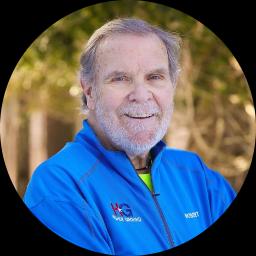
David Martin is a Licensed Clinical Social Worker with 18 years of counseling experience.
License and registration
- LCSW, Utah
- 5001946-3501 · expires September 2028
- LCSW, Idaho
- 4071282 · expires April 2027
- NPI
- 1861651325 · national provider identifier
- Years in practice
- 18
- Languages
- English
Details are as listed on the therapist's public professional profile. You can check any license with the state board and any NPI with the national registry.
About David
David Martin is a Licensed Clinical Social Worker with 18 years of counseling experience. He practices in Idaho and brings years of community mental health work into his current practice. He aims to meet people where they are and starts conversations with straightforward questions about what matters most to them.
He focuses on helping people manage stress, anxiety, depression, grief, trauma and relationship concerns. He also supports people facing parenting strain, caregiving challenges, substance use problems, and the everyday shocks that change life plans.
Background and approach
He describes a nonjudgmental, practical approach that helps people see small changes that add up. His way of working uses client-centered therapy as the foundation. He blends ideas from cognitive behavioral therapy, dialectical behavior therapy, and psychodynamic therapy when those approaches fit the person's goals.
Sessions tend to emphasize skills people can use between meetings along with reflection about patterns that get in the way. David says many people have found it easier to open up in online or phone conversations. He works to create a calm space for talking, listening, and planning next steps.
He aims to support people as they try new ways of coping and rebuilding routines. If you are looking for steady, experienced help with emotional pain or life changes, he offers a practical, caring presence and tools to move forward. He invites prospective clients to reach out and begin a short matching process to see if his style is a good fit.
Focus areas and approaches
Everything David lists on their public professional profile, in their own terms.
- Stress, Anxiety
- Trauma and abuse
- Grief
- Self esteem
- Depression
- LGBT
- Relationship issues
- Family conflicts
- Parenting issues
- Anger management
- Bipolar disorder
- Coping with life changes
- Coaching
- Compassion fatigue
- Adoption and foster care
- Aging and geriatric issues
- Antisocial personality
- Attachment issues
- Blended family issues
- Codependency
- Communication problems
- Control issues
- Coping with natural or human-caused disaster
- Dependent personality
- Dissociation
- Divorce and separation
- Drug and alcohol addiction
- Family of origin issues
- Family problems
- Fatherhood issues
- Forgiveness
- Guilt and shame
- Infidelity
- Isolation / loneliness
- Life purpose
- Men's issues
- Money and financial issues
- Mood disorders
- Narcissism
- Panic disorder and panic attacks
- Paranoia
- Personality disorders
- Phobias
- Postpartum depression
- Post-traumatic stress
- Prejudice and discrimination
- Process addiction (porn, exercise, gambling)
- Seasonal Affective Disorder (SAD)
- Self-harm
- Self-love
- Sexual assault and abuse
- Social anxiety and phobia
Approaches David names
- Client-Centered Therapy
- Cognitive Behavioral Therapy (CBT)
- Dialectical Behavior Therapy (DBT)
- Psychodynamic Therapy
Naming an approach is not evidence of training in it. This directory copies what each therapist lists and does not check training records.
Online support
How his approaches translate to online therapy
Client-centered therapy focuses on where the person is right now and on listening without judging. In practice this means the therapist follows the client’s lead, asks questions that matter to them, and helps set goals that feel realistic. Cognitive behavioral therapy (CBT) looks at how thoughts and behaviors influence feelings and teaches concrete skills to change unhelpful patterns. That approach is often used for anxiety, depression, and stress. Dialectical behavior therapy (DBT) emphasizes emotion regulation and coping skills for intense feelings and impulsive actions, and can help people manage crises and improve day-to-day coping.Finding the right approach is a shared process. The therapist will work collaboratively to figure out which methods match the client’s needs, goals, and preferences. That means trying tools, checking what helps, and adjusting as goals change.
The biography indicates he has shifted much of his work to online and phone conversations and that many clients find those formats helpful. Confirm the specific session options available before booking. Online or phone sessions can make it easier to fit therapy into a busy schedule, allow for shorter check-ins when needed, and let people avoid travel time. They can also help some people feel more comfortable sharing emotions when they are not meeting in person.
We will earn a commission if you sign up through our link, at no cost to you. It does not change what you pay or the order of the listings.
Questions people ask
What concerns does he address most often?
He commonly helps people with stress, anxiety, depression, trauma and grief. He also works with relationship strain, parenting challenges, substance use concerns, and related life changes.
What is his therapeutic style like?
He uses a client-centered approach as the starting point and mixes in practical skills from CBT and DBT when helpful. Sessions balance skill teaching with talking about patterns that affect daily life.
How much experience does he bring?
He has 18 years of counseling experience, including work in community mental health settings and ongoing independent practice in Idaho.
What are his credentials and where is he based?
He holds a Licensed Clinical Social Worker credential and practices in Idaho, with licensure also documented in Utah.
Can people who live outside the US work with him?
He accepts international clients and offers services in English.
What session formats are offered?
The original biography notes that he moved much of his work to online and phone sessions after 2020 and that some people prefer those options. Confirm current session formats before booking.
How does scheduling and payment work?
Cost varies with location and the subscription model is used for sessions; the subscription can be canceled at any time.
How do I begin working with him?
Start by selecting the Start Therapy button, completing a short matching questionnaire, and scheduling according to the therapist's availability.
More therapists in Idaho
See allRachel Webster
LCSW
Practical support for stress and life changes
- Stress, Anxiety
- Family
- Trauma and abuse

Stephanie Rothrock
LCSW
Support for trauma, identity, and life transitions
- LGBT
- Trauma and abuse
- Grief

Robert Payne
LCSW
Experienced LCSW focusing on relationships and resilience
- Stress, Anxiety
- Relationship
- Trauma and abuse
Matthew Christensen
LCSW
Calm, practical therapy focused on real-life change
- Stress, Anxiety
- Addictions
- Trauma and abuse

Is this your profile?
Ask us to correct details or take the page down.
Contact us