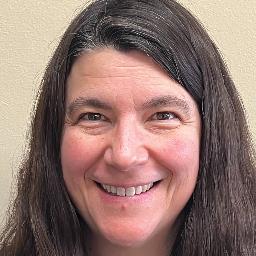
Erica Tribble, LCSW
Licensed in Montana · 13 years in practice
Erica Tribble is a Licensed Clinical Social Worker who helps people facing stress, anxiety, depression, trauma, relationship strain, and life changes.
License and registration
- LCSW, Montana
- BBH-LCSW-LIC-1057 · expires December 2026
- NPI
- 1215209408 · national provider identifier
- Years in practice
- 13
- Languages
- English
Details are as listed on the therapist's public professional profile. You can check any license with the state board and any NPI with the national registry.
About Erica
Erica Tribble is a Licensed Clinical Social Worker who helps people facing stress, anxiety, depression, trauma, relationship strain, and life changes. She brings 13 years of clinical experience and a practical, down-to-earth approach to sessions. People can expect straightforward, respectful conversations focused on what matters to them now.
Erica uses a client-centered style that puts the person's needs and goals first. She listens for strengths and builds on them, then co-creates a plan that fits the person's life.
Background and approach
Sessions are collaborative and paced to what feels manageable. Trauma-focused methods are used when past events are getting in the way of day-to-day functioning. Erica helps people name what happened and learn skills to reduce its hold on daily life.
Attachment-based ideas guide work on relationships and how early connections shape present patterns. Erica trained in social work and holds a Master of Social Work and a Montana LCSW. She has worked in clinical settings since 2004 and moved into independent practice in 2013, giving her a mix of community and independent practice experience.
That background informs practical strategies for coping and change. During sessions she focuses on clear, usable tools such as communication strategies, emotion regulation skills, and steps to manage stress. The work is practical and aimed at improving day-to-day functioning.
Erica aims to make therapy understandable and doable for busy people.
Focus areas and approaches
Everything Erica lists on their public professional profile, in their own terms.
- Stress, Anxiety
- Relationship issues
- Trauma and abuse
- Bipolar disorder
- Depression
- Addictions
- Family conflicts
- Grief
- Parenting issues
- Anger management
- Self esteem
- Coping with life changes
- Compassion fatigue
- ADHD
- Aging and geriatric issues
- Attachment issues
- Autism and Asperger Syndrome
- Caregiver issues and stress
- Chronic pain, illness, and disability
- Commitment issues
- Communication problems
- Domestic violence
- Emptiness
- Family of origin issues
- Family problems
- Jealousy
- Life purpose
- Money and financial issues
- Mood disorders
- Panic disorder and panic attacks
- Personality disorders
- Post-traumatic stress
- Pregnancy and childbirth
- Self-love
- Social anxiety and phobia
- Women's issues
- Workplace issues
Approaches Erica names
Naming an approach is not evidence of training in it. This directory copies what each therapist lists and does not check training records.
Online support
How her approaches translate to online therapy
Erica uses client-centered work to help people name their goals and decide what matters in therapy. This approach focuses on listening first and then shaping sessions around the person's priorities, which can work well in video or phone sessions where conversation is central.She also draws on trauma-focused therapy to address the impact of past events on daily life. This method includes pacing, grounding skills, and targeted strategies to reduce distress, and it can be adapted across video calls or messaging depending on what feels manageable.
Attachment-based ideas guide work on relationships and patterns that started earlier in life. These conversations often involve looking at how people connect and communicate, and they translate clearly to online formats where examples and role-play can be reviewed together.
Finding the right approach is part of the work. Erica will collaborate with each person to choose and adjust methods based on their goals, needs, and preferences. She reviews progress and shifts focus as needed so therapy stays useful and relevant.
Online therapy offers flexibility for different schedules and needs. Video calls are helpful for face-to-face conversation, phone sessions use less bandwidth and can be easier on the go, and live chat or text-based messaging work for short check-ins or people who prefer writing. These options make it easier to fit therapy into a busy life while keeping the focus on practical change.
We will earn a commission if you sign up through our link, at no cost to you. It does not change what you pay or the order of the listings.
Questions people ask
What concerns does Erica help with?
She supports people dealing with stress, anxiety, depression, trauma, relationship problems, bipolar disorder, addictions, grief, parenting stress, anger, self-esteem, ADHD, and life transitions.
How would you describe her therapeutic style?
Her approach is client-centered and strengths-based. She listens closely, then works together with each person to set goals and practical steps.
What is her professional background?
Erica has worked in social work since 2004 and entered independent practice as a Licensed Clinical Social Worker in 2013, bringing 13 years of post-licensure clinical experience.
Where is she licensed and located?
She holds an LCSW in Montana and practices from that state.
Which languages are supported?
Sessions are offered in English.
Can people outside the U.S. work with her?
International clients are not currently accepted.
What session formats does she offer?
She provides video calls, phone sessions, live chat, and text-based messaging to fit different schedules and preferences.
How do sessions and cost work?
Cost varies with location and therapist availability and uses a subscription model that can be canceled at any time.
More therapists in Montana
See all
Sydney Blair
LCSW
Steady, practical therapy for life transitions
- Stress, Anxiety
- Relationship
- Self esteem
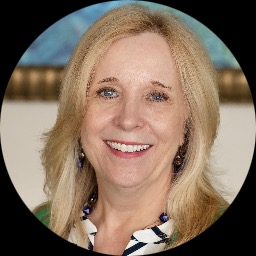
Angela Whitecrane Widdicombe
LCSW, LMFT
Seasoned relational clinician and addiction support
- Stress, Anxiety
- Addictions
- Relationship
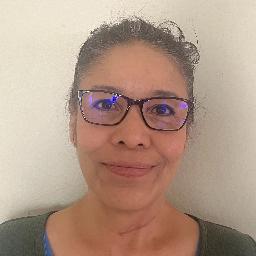
Paul Dokey
LCSW
Practical, present-focused therapy for everyday struggles
- Stress, Anxiety
- Addictions
- Relationship
Is this your profile?
Ask us to correct details or take the page down.
Contact us