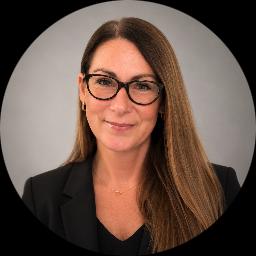
Lindsay Brunner, LCSW
Licensed in Missouri · 15 years in practice
Lindsay Brunner is a licensed clinical social worker with more than 15 years of practice in Missouri.
License and registration
- LCSW, Missouri
- 2019006672 · expires September 2028
- NPI
- 1881091478 · national provider identifier
- Years in practice
- 15
- Languages
- English
Details are as listed on the therapist's public professional profile. You can check any license with the state board and any NPI with the national registry.
About Lindsay
Lindsay Brunner is a licensed clinical social worker with more than 15 years of practice in Missouri. She helps people facing depression, anxiety, trauma, and difficult life transitions. Lindsay aims to make room for each person's story and to offer steady, practical support during hard times.
Her style is warm and straightforward. She listens closely and helps people name what feels most urgent. Sessions focus on building coping strategies, understanding patterns, and finding steps that fit daily life.
Background and approach
Lindsay has long experience with grief and loss, relationship frustrations, and self-esteem concerns. She also supports people dealing with abuse, sexual assault recovery, addiction, and challenging family dynamics. Her work includes addressing issues such as body image, communication problems, blended family stress, and the emotional fallout of separation or divorce.
People who come to her for help get a plan that targets what's most important to them. That might include managing mood symptoms, easing anxiety, or navigating a major life change. Lindsay emphasizes honesty, respect, and practical progress as people work toward greater resilience.
She offers therapy in English and practices in Missouri. Sessions use a subscription model that can be canceled at any time, and cost varies by location and therapist availability. To begin, prospective clients complete a short matching questionnaire and schedule according to the therapist's availability.
Focus areas and approaches
Everything Lindsay lists on their public professional profile, in their own terms.
- Stress, Anxiety
- Trauma and abuse
- Self esteem
- Depression
- Coping with life changes
- Abandonment
- Blended family issues
- Body image
- Cancer
- Codependency
- Commitment issues
- Communication problems
- Disruptive Mood Dysregulation Disorder (DMDD)
- Divorce and separation
- Domestic violence
- Drug and alcohol addiction
- Eating and food-related issues
- Family of origin issues
- Family problems
- Forgiveness
- Guilt and shame
- Hoarding
- Hospice and end-of-life counseling
- Infidelity
- Isolation / loneliness
- Jealousy
- Life purpose
- Midlife crisis
- Veteran and Armed Forces Issues
- Mood disorders
- Obsessions, compulsions, and OCD
- Panic disorder and panic attacks
- Paranoia
- Personality disorders
- Phobias
- Polyamory / non-monogamous relationships
- Postpartum depression
- Post-traumatic stress
- Pregnancy and childbirth
- Seasonal Affective Disorder (SAD)
- Self-harm
- Self-love
- Sexual assault and abuse
- Sexuality
- Social anxiety and phobia
- Women's issues
- Young adult issues
Online support
Approaches and online care that meet you where you are
Evidence-based therapeutic techniques often used in work like this include trauma-focused approaches that help people process painful memories and reduce the way trauma affects daily life. These methods guide people through understanding the impact of traumatic events and developing skills to manage strong emotions.Another common strategy is skills-based therapy for anxiety and mood management. This focuses on concrete tools such as breathing and grounding exercises, behavior changes, and step-by-step plans to reduce worry and improve daily functioning. These tools are helpful for depression, panic, and ongoing stress.
Finding the right approach is a collaborative process. The therapist will talk with each person about goals, preferences, and what has or hasn't helped before. Together they decide which techniques to try and adjust the plan as progress is made.
If you are considering online therapy, confirm the available session options before booking since formats are not listed here. Online care can make it easier to fit therapy into a busy life, shorten travel time, and allow check-ins during breaks or between activities. Different approaches let sessions focus on skills practice, processing difficult experiences, or planning next steps in everyday life.
We will earn a commission if you sign up through our link, at no cost to you. It does not change what you pay or the order of the listings.
Questions people ask
What concerns does Lindsay commonly address?
She works with stress, anxiety, trauma and abuse, self-esteem struggles, depression, and coping with life changes. Additional focuses include relationship and family issues, body image, addiction, and grief.
How would you describe her therapy style?
The approach is compassionate and direct, with an emphasis on listening and practical steps. Sessions focus on identifying patterns and building usable coping strategies.
What is her professional background?
She has 15 years of clinical experience supporting people through major life challenges and mood or anxiety concerns.
What credentials and location are listed?
She holds an LCSW, specifically a Missouri LCSW, and practices in Missouri.
Which languages are supported for sessions?
Sessions are offered in English.
Are international clients accepted?
International clients are not currently accepted.
How does pricing and billing work?
Cost varies with location and therapist availability. Sessions use a subscription that can be canceled at any time.
What are the first steps to begin therapy?
Click the Start Therapy button, complete a short matching questionnaire, and then schedule sessions based on the therapist's availability.
More therapists in Missouri
See all
Barbara Fotsch
LCSW
Practical, down-to-earth therapy for real life
- Stress, Anxiety
- Addictions
- Parenting

Teresa Nichols
LCSW
Positive, practical support for lasting change
- Stress, Anxiety
- Addictions
- Relationship

Is this your profile?
Ask us to correct details or take the page down.
Contact us