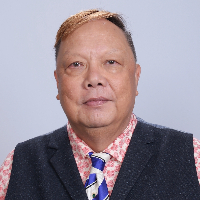
Dr. Manuel Evangelista, LCSW
Licensed in Utah · 21 years in practice
Dr. Manuel Evangelista helps people who are feeling overwhelmed, stuck, or worn out by life.
License and registration
- LCSW, Utah
- 6417919-3501 · expires September 2026
- LCSW, Arizona
- LCSW-21978 · expires November 2027
- NPI
- 1467787515 · national provider identifier
- Years in practice
- 21
- Languages
- English
Details are as listed on the therapist's public professional profile. You can check any license with the state board and any NPI with the national registry.
About Manuel
Dr. Manuel Evangelista helps people who are feeling overwhelmed, stuck, or worn out by life. He works with adults who face anxiety, depression, trauma, relationship strain, addiction concerns, and parenting stress.
He writes plainly and aims to create a calm space to talk and sort through what matters most. Evangelista brings 21 years of clinical experience to his practice as a Licensed Clinical Social Worker. He draws on a mix of ideas from social, biological, and psychological perspectives.
Background and approach
In sessions he often blends mindfulness, acceptance, and practical skill-building to help clients cope with painful feelings rather than only trying to remove them. His approach is informed by both Eastern practices and Western neuroscience. He uses mindfulness and reflective listening to help people notice patterns, reduce reactivity, and make choices that match their values.
He also uses cognitive and behavioral tools to shift harmful habits and soothe intense emotions. Clients can expect straightforward conversation that balances compassion with honest feedback. He can coordinate care with prescribers when medication is part of treatment.
His work aims to help people find steadier balance across emotional, physical, and spiritual areas of life. He offers individual and group formats and brings personal experience of trauma recovery to his clinical perspective. Sessions emphasize practical strategies, values-based goals, and learning ways to tolerate distress while building a life that feels meaningful.
Focus areas and approaches
Everything Manuel lists on their public professional profile, in their own terms.
- Stress, Anxiety
- Family conflicts
- Bipolar disorder
- Depression
- ADHD
- Addictions
- LGBT
- Relationship issues
- Trauma and abuse
- Grief
- Intimacy-related issues
- Eating disorders
- Sleeping disorders
- Parenting issues
- Anger management
- Self esteem
- Career difficulties
- Coping with life changes
- Compassion fatigue
- Gender dysphoria
- Multicultural concerns
- Obsessions, compulsions, and OCD
- Personality disorders
- Phobias
- Seasonal Affective Disorder (SAD)
Approaches Manuel names
- Acceptance and Commitment Therapy (ACT)
- Client-Centered Therapy
- Cognitive Behavioral Therapy (CBT)
- Dialectical Behavior Therapy (DBT)
- Mindfulness Therapy
- Narrative Therapy
- Solution-Focused Therapy
- Trauma-Focused Therapy
Naming an approach is not evidence of training in it. This directory copies what each therapist lists and does not check training records.
Online support
How mindfulness and skills work online
Dr. Evangelista frequently uses Acceptance and Commitment Therapy and Cognitive Behavioral Therapy in his online work. Acceptance and Commitment Therapy (ACT) helps people notice painful thoughts and feelings, clarify what matters to them, and take small steps toward those values. It is helpful for anxiety, depression, and adjusting to life changes. Cognitive Behavioral Therapy (CBT) focuses on noticing unhelpful thoughts and behaviors and then practicing different ways of thinking and acting to reduce distress and improve daily functioning.Finding the right approach is part of the process. He will work with each person to decide which methods fit their goals and daily life. That decision is collaborative and can change as progress is made or as new challenges appear.
Online formats include video calls, phone sessions, live chat, and text-based messaging. Video calls allow face-to-face conversation and skills practice. Phone sessions can be a good option when bandwidth is limited or for brief check-ins. Live chat and text messaging are useful for shorter updates, coaching between sessions, or when someone prefers writing to speaking. These options make scheduling more flexible and help therapy fit into busy lives.
We will earn a commission if you sign up through our link, at no cost to you. It does not change what you pay or the order of the listings.
Questions people ask
What concerns does this therapist often address?
He works with stress, anxiety, depression, trauma and abuse, addictions, relationship and intimacy issues, grief, ADHD, bipolar disorder, and related concerns listed in his specialties.
How would you describe his therapeutic style?
He combines mindfulness, acceptance-based practices, and cognitive-behavioral tools. Sessions tend to be conversational, reflective, and focused on practical coping skills.
What kind of experience does he bring?
He has 21 years of clinical experience and integrates social, biological, and psychological perspectives in his work.
What are his credentials and where is he based?
He is a Licensed Clinical Social Worker - LCSW - licensed in Arizona and Utah and practices from Utah.
Can sessions be conducted in other languages?
Sessions are offered in English.
What formats are available for therapy sessions?
He offers video calls, phone sessions, live chat, and text-based messaging to suit different needs.
How does payment and cost work?
Cost varies with location and therapist availability and sessions use a subscription that can be canceled at any time.
How do I begin working with him?
Use the Start Therapy button, complete a short matching questionnaire, and schedule sessions according to the therapist's availability.
More therapists in Utah
See allChase Carter
LCSW
Practical, values-focused therapy for life problems
- Addictions
- Relationship
- Trauma and abuse

Melinda Fowlks
LCSW
Compassionate therapist for emotional healing
- Stress, Anxiety
- Relationship
- Self esteem

Anntoinette Titus
LCSW
Compassionate, practical therapy focused on everyday life
- Stress, Anxiety
- Addictions
- Relationship
Is this your profile?
Ask us to correct details or take the page down.
Contact us