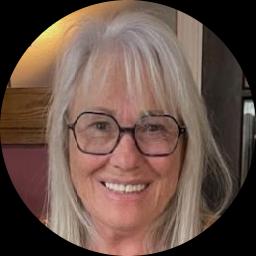
Roberta Garrett, LCSW, CSW
Licensed in Colorado · 40 years in practice
Roberta Garrett is a Licensed Clinical Social Worker who helps people facing addiction, relationship problems, grief, and major life changes.
License and registration
- LCSW, Colorado
- CSW.09924462 · expires August 2027
- NPI
- 1629408752 · national provider identifier
- Years in practice
- 40
- Languages
- English
Details are as listed on the therapist's public professional profile. You can check any license with the state board and any NPI with the national registry.
About Roberta
Roberta Garrett is a Licensed Clinical Social Worker who helps people facing addiction, relationship problems, grief, and major life changes. She draws on 40 years of experience in medical and mental health settings and independent practice to guide straightforward, practical conversations. Her style is calm and direct, focused on helping people feel heard and find workable steps forward.
Her sessions emphasize opening up without judgment. She encourages clients to name what is difficult and to try small changes that make daily life easier.
Background and approach
Topics often include intimacy-related concerns, depression, trauma and abuse, and compassion fatigue. Roberta also works with people dealing with aging and geriatric issues, cancer and hospice matters, chronic illness and pain, and caregiver stress. She supports those coping with family of origin challenges, codependency, hoarding, and the fallout of infidelity or separation.
Her approach draws on client-centered methods that keep the client's priorities central. Narrative techniques are used to help people reframe stories that keep them stuck and to discover different paths forward. Together clients and Roberta set goals and try practical strategies between sessions.
Roberta practices in Colorado and conducts sessions in English. Her background includes decades in both healthcare and independent practice, which she uses to help people navigate practical and emotional needs during hard transitions.
Focus areas and approaches
Everything Roberta lists on their public professional profile, in their own terms.
- Addictions
- Relationship issues
- Grief
- Coping with life changes
- Compassion fatigue
- Trauma and abuse
- Intimacy-related issues
- Depression
- Aging and geriatric issues
- Cancer
- Caregiver issues and stress
- Chronic pain, illness, and disability
- Codependency
- Commitment issues
- Control issues
- Divorce and separation
- Drug and alcohol addiction
- Family of origin issues
- Forgiveness
- Guilt and shame
- Hoarding
- Hospice and end-of-life counseling
- Infidelity
- Isolation / loneliness
- Life purpose
- Men's issues
- Midlife crisis
- Polyamory / non-monogamous relationships
- Seasonal Affective Disorder (SAD)
- Self-love
- Sex addiction
- Sexual dysfunction
- Sexuality
- Visually impaired
- Women's issues
Approaches Roberta names
Naming an approach is not evidence of training in it. This directory copies what each therapist lists and does not check training records.
Online support
How client-centered and narrative approaches work online
Client-Centered Therapy focuses on listening closely and following the client's lead. The therapist offers empathy and reflection so people can clarify what matters and decide on next steps. This approach is useful for issues like grief, depression, and relationship struggles because it centers the person's own goals.Narrative Therapy helps people separate themselves from the problems they live with by examining the stories they tell about their lives. It encourages reauthoring those stories to make room for different actions and choices, which can help with addiction, codependency, and family of origin issues.
Finding the right approach is part of the work. The therapist will collaborate with the client to choose methods that match goals, needs, and preferences. Together they check progress and adjust the plan as needed so the work stays practical and relevant.
Online sessions are offered by video calls, phone sessions, live chat, or text-based messaging to fit different schedules and comfort levels. Video is useful for face-to-face conversation, phone works when bandwidth is limited, and messaging can be a shorter check-in or a way to keep momentum between meetings. These options make it easier to maintain regular contact and to fit therapy into a busy life.
We will earn a commission if you sign up through our link, at no cost to you. It does not change what you pay or the order of the listings.
Questions people ask
What concerns does she commonly address?
She helps people with addictions, relationship and intimacy issues, grief, depression, trauma, and coping with life changes.
How would you describe her therapeutic style?
Her style is client-centered and collaborative, aiming to listen closely and help people try practical steps that fit their lives.
What is her professional background?
She has 40 years of experience in medical and mental health fields and in independent practice.
Where is she based and what credentials does she hold?
She practices in Colorado and holds the credentials LCSW and CSW.
Are sessions available in other languages or internationally?
Sessions are offered in English and international clients are not currently accepted.
What formats are available for sessions?
Sessions can be conducted by video calls, phone sessions, live chat, or text-based messaging.
How is cost handled for her services?
Cost varies with location and therapist availability; sessions use a subscription that can be canceled at any time.
How do I begin working with her?
Use the Start Therapy button, complete a short matching questionnaire, and schedule according to therapist availability.
More therapists in Colorado
See allMadison Montes
LCSW, CSW
Practical support for stress and recovery
- Stress, Anxiety
- Addictions
- Trauma and abuse

Diana Kelly
LCSW, CSW, LIMHP
Compassionate client-centered therapy with experience
- Stress, Anxiety
- LGBT
- Grief
Nicole Porter
LCSW, CSW
Practical support for stress, relationships, and life change
- Stress, Anxiety
- Relationship
- Family
Rebecca Lanier
LCSW, CSW
Experienced LCSW focused on practical growth
- Stress, Anxiety
- Relationship
- Trauma and abuse

Is this your profile?
Ask us to correct details or take the page down.
Contact us