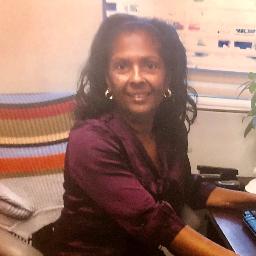
Sharon Mortimer, LCSW
Licensed in Florida · 43 years in practice
Sharon Mortimer is a licensed clinical social worker with 43 years of experience.
License and registration
- LCSW, Florida
- SW1522 · expires March 2027
- NPI
- 1568795854 · national provider identifier
- Years in practice
- 43
- Languages
- English
Details are as listed on the therapist's public professional profile. You can check any license with the state board and any NPI with the national registry.
About Sharon
Sharon Mortimer is a licensed clinical social worker with 43 years of experience. She favors an adaptable, person-focused style and listens carefully to each person who comes to her practice. Sharon uses a mix of approaches to match what a client needs in the moment.
She draws on client-centered work to shape a respectful relationship, cognitive behavioral tools to spot thought patterns, and mindfulness practices to help calm stress and anxiety.
Background and approach
She also uses dialectical skills and emotionally-focused methods when feelings or relationships are the focus. Her background includes long experience with trauma and all forms of abuse, and she has worked extensively with mood concerns such as depression and anxiety. Sharon also supports people dealing with addiction, low self-esteem, relationship strain, and family-related problems.
Additional areas she addresses include grief, guilt and shame, communication problems, and questions about life purpose and midlife changes. Sharon emphasizes steady, practical steps rather than quick fixes. Sessions tend to focus on clearer thinking, emotion regulation, and small behavior changes that add up over time.
She aims to help people build tools they can use outside the session. She practices in Florida and offers services in English. Sharon welcomes people from different cultural backgrounds and will collaborate on a plan tailored to individual needs.
Focus areas and approaches
Everything Sharon lists on their public professional profile, in their own terms.
- Stress, Anxiety
- Trauma and abuse
- Self esteem
- Depression
- Addictions
- Relationship issues
- Family conflicts
- Antisocial personality
- Communication problems
- Divorce and separation
- Domestic violence
- Family problems
- Forgiveness
- Guilt and shame
- Isolation / loneliness
- Life purpose
- Midlife crisis
- Veteran and Armed Forces Issues
- Mood disorders
- Multicultural concerns
- Paranoia
- Personality disorders
- Post-traumatic stress
- Self-love
- Sexual assault and abuse
- Social anxiety and phobia
- Women's issues
Approaches Sharon names
- Client-Centered Therapy
- Cognitive Behavioral Therapy (CBT)
- Dialectical Behavior Therapy (DBT)
- Emotionally-Focused Therapy (EFT)
- Mindfulness Therapy
- Motivational Interviewing
- Psychodynamic Therapy
- Solution-Focused Therapy
- Trauma-Focused Therapy
Naming an approach is not evidence of training in it. This directory copies what each therapist lists and does not check training records.
Online support
Therapeutic approaches adapted for online care
Client-centered therapy focuses on building a respectful, supportive relationship where the client sets the pace and goals. This approach helps when someone needs to feel heard and understood before tackling deeper issues.Cognitive Behavioral Therapy (CBT) looks at how thoughts, feelings, and actions connect and teaches practical skills to change patterns that fuel anxiety or depression. It is useful for stress, mood concerns, and many daily challenges.
Dialectical Behavior Therapy (DBT) offers concrete skills for managing intense emotions and improving interpersonal effectiveness. It can help people who feel overwhelmed by strong feelings or who struggle with repeated behavior patterns.
Finding the right mix of approaches is part of the work together. The therapist will review concerns, goals, and preferences and then suggest methods to try. Clients and the therapist decide collaboratively whether to adjust the plan as therapy progresses.
Online sessions are offered as video calls, phone sessions, live chat, or text-based messaging to make scheduling easier and to fit different needs. Video lets therapists see body language, phone can be a lower-bandwidth option, live chat supports shorter check-ins, and text messaging helps with ongoing support between sessions. These options make it easier to maintain continuity of care around work, family, or travel commitments.
We will earn a commission if you sign up through our link, at no cost to you. It does not change what you pay or the order of the listings.
Questions people ask
What kinds of concerns does Sharon address?
She works with stress, anxiety, trauma and abuse, depression, addictions, self-esteem issues, and relationship and family problems, plus related concerns such as guilt, shame, and life purpose.
How would you describe the therapy style here?
The approach is flexible and person-centered, combining client-centered listening with CBT, DBT, mindfulness, and emotionally-focused techniques based on need.
What is her professional background?
She is a licensed clinical social worker with 43 years of experience working across many settings and populations.
Where is Sharon located and licensed?
She practices in Florida and holds a Florida LCSW license.
Can sessions be conducted in other languages or internationally?
Sessions are offered in English and international clients are accepted.
What session formats are available?
Clients can meet by video calls, phone sessions, live chat, or text-based messaging depending on what works best for them.
How much do sessions cost?
Cost varies with location and therapist availability; sessions are provided through a subscription model that can be canceled at any time.
How do I begin therapy with Sharon?
Start by selecting the Start Therapy button, complete a short matching questionnaire, and schedule a session based on therapist availability.
More therapists in Florida
See allAmeenah Wright-Troutman
LCSW
Compassionate, practical support for life transitions
- Stress, Anxiety
- Grief
- Self esteem

Dr. Virginia Clark
LCSW
Experienced LCSW supporting life changes
- Stress, Anxiety
- Addictions
- Trauma and abuse
Carolyn Allen
LCSW
Compassionate practical support for everyday challenges
- Stress, Anxiety
- Self esteem
- Career

Is this your profile?
Ask us to correct details or take the page down.
Contact us