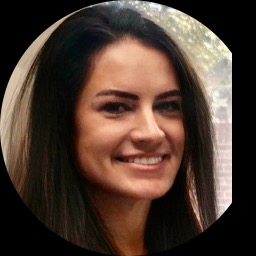
Hope Johnson, LCSW
Licensed in Texas · 21 years in practice
Hope Johnson is a licensed clinical social worker with 21 years of experience.
License and registration
- LCSW, Texas
- 55517 · expires November 2026
- LCSW, Missouri
- 2023028037 · expires September 2026
- NPI
- 1083351365 · national provider identifier
- Years in practice
- 21
- Languages
- English
Details are as listed on the therapist's public professional profile. You can check any license with the state board and any NPI with the national registry.
About Hope
Hope Johnson is a licensed clinical social worker with 21 years of experience. She focuses on practical, person-centered care to help people facing stress, anxiety, depression, relationship issues, and life changes. She uses straightforward conversation to understand what matters most to each person.
Sessions aim to build confidence, improve communication, and find useful ways to manage mood and motivation. Hope emphasizes respect, sensitivity, and compassion in every encounter. Her work draws on several approaches that guide how she helps people solve problems.
Background and approach
Cognitive Behavioral Therapy helps break down unhelpful thought and behavior patterns. Acceptance and Commitment Therapy supports people in identifying values and taking steps toward them. Mindfulness practices bring attention to the present moment and reduce reactivity.
Hope also applies client-centered techniques and motivational interviewing to keep the focus on the person's goals. She adapts the pace and style of sessions to fit individual needs, whether someone wants short-term coaching or longer support. This flexible approach helps with concerns like grief, trauma, parenting strain, and work stress.
Hope is licensed as an LCSW in Texas and Missouri and practices from Missouri. She offers sessions in English and works with people dealing with issues including LGBT concerns, intimacy-related problems, anger, bipolar disorder, compassion fatigue, and first responder stress. Starting therapy is framed as a collaborative process.
Hope aims to make each session useful and clear, so people leave with practical steps they can try between meetings.
Focus areas and approaches
Everything Hope lists on their public professional profile, in their own terms.
- Relationship issues
- Self esteem
- Career difficulties
- Coping with life changes
- Coaching
- Stress, Anxiety
- LGBT
- Family conflicts
- Trauma and abuse
- Grief
- Intimacy-related issues
- Parenting issues
- Anger management
- Bipolar disorder
- Depression
- Compassion fatigue
- Communication problems
- Divorce and separation
- Domestic violence
- Family problems
- First responder issues
- Women's issues
Approaches Hope names
- Acceptance and Commitment Therapy (ACT)
- Client-Centered Therapy
- Cognitive Behavioral Therapy (CBT)
- Mindfulness Therapy
- Motivational Interviewing
- Solution-Focused Therapy
Naming an approach is not evidence of training in it. This directory copies what each therapist lists and does not check training records.
Online support
Therapeutic approaches you can access online
Hope blends Acceptance and Commitment Therapy and Cognitive Behavioral Therapy in ways that are easy to use over video or messaging. Acceptance and Commitment Therapy helps people identify their core values and take small actions toward them, which is useful for life changes, motivation, and meaning. Cognitive Behavioral Therapy breaks problems into thoughts, feelings, and actions so people can try specific changes and notice different results.Sessions also draw on client-centered methods that keep the conversation focused on the person's own goals and experiences. Finding the right approach is a collaborative process - the therapist will work with the client to pick techniques that fit their needs, goals, and preferences and will adjust as progress is made.
Online formats include video calls, phone sessions, live chat, and text-based messaging to provide flexibility. Video is useful for a full conversation and nonverbal cues, phone works when bandwidth is limited, live chat supports shorter check-ins, and messaging lets people communicate between sessions or when scheduling constraints make real-time meetings difficult. These options help people fit therapy into busy lives and keep continuity when travel or work makes in-person visits hard.
We will earn a commission if you sign up through our link, at no cost to you. It does not change what you pay or the order of the listings.
Questions people ask
What concerns does Hope commonly address
Hope works with a wide range of concerns such as relationship and communication problems, self-esteem, career challenges, stress and anxiety, depression, trauma and abuse, grief, parenting strain, and compassion fatigue.
How would you describe the therapy style
Sessions are practical and person-centered, combining cognitive behavioral techniques, acceptance-based work, mindfulness, and motivational interviewing to match what each person needs.
What is Hope's professional background
She has 21 years of professional experience and aims to tailor conversations and plans to the individual's situation and goals.
Where is Hope licensed and based
Hope holds LCSW credentials in Texas and Missouri and provides services while based in Missouri.
Which languages are offered and can international clients join
Sessions are offered in English and international clients are not currently accepted.
What session formats are available
Sessions can be scheduled as video calls, phone sessions, live chat, or text-based messaging to suit different needs and schedules.
How is cost handled for therapy
Cost varies with location and therapist availability; sessions are provided through a subscription that can be canceled at any time.
How do I begin working with Hope
Start by selecting the Start Therapy button, complete a short matching questionnaire, and then schedule sessions according to therapist availability.
More therapists in Missouri
See all
Barbara Fotsch
LCSW
Practical, down-to-earth therapy for real life
- Stress, Anxiety
- Addictions
- Parenting

Teresa Nichols
LCSW
Positive, practical support for lasting change
- Stress, Anxiety
- Addictions
- Relationship
Is this your profile?
Ask us to correct details or take the page down.
Contact us