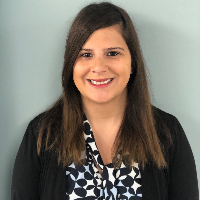
Justine Alemany, LCSW
Licensed in Florida · 6 years in practice
Justine Alemany meets people where they are and helps them find steady ground.
License and registration
- LCSW, Florida
- SW 16879 · expires March 2027
- NPI
- 1700228194 · national provider identifier
- Years in practice
- 6
- Languages
- English, Spanish
Details are as listed on the therapist's public professional profile. You can check any license with the state board and any NPI with the national registry.
About Justine
Justine Alemany meets people where they are and helps them find steady ground. She focuses on individuals coping with trauma, addictions, mood concerns, anxiety, and big life changes. Sessions are offered in English and Spanish.
Justine is a Licensed Clinical Social Worker - LCSW practicing in Florida and aims to make therapy clear and practical. Her path began in school-based settings in Massachusetts, then moved to adolescent inpatient care where she supported young people with significant mental health needs.
Background and approach
Returning to Florida, she worked in outpatient and residential substance use programs for adult women, gaining experience with addiction and co-occurring mood disorders. Since 2019 she has worked at a Children's Advocacy Center, seeing children, adolescents, and adults affected by trauma. Much of her clinical time has involved helping people recover from sexual abuse, domestic violence, grief, and other losses.
She also helps clients manage ongoing conditions such as bipolar disorder, ADHD, panic, and phobias. Justine combines different methods rather than relying on a single approach. She commonly uses trauma-focused work alongside cognitive and behavioral tools and skills for emotional regulation.
Sessions focus on practical coping strategies, building safety, and reducing symptoms that get in the way of daily life. Clients can expect straightforward guidance and teamwork to set realistic goals. Justine offers video, phone, live chat, and text-based messaging formats and tailors sessions to each person's needs and circumstances.
Focus areas and approaches
Everything Justine lists on their public professional profile, in their own terms.
- Addictions
- Trauma and abuse
- Grief
- Coping with life changes
- Coaching
- Stress, Anxiety
- LGBT
- Family conflicts
- Anger management
- Bipolar disorder
- Depression
- ADHD
- Adoption and foster care
- Antisocial personality
- Caregiver issues and stress
- Codependency
- Commitment issues
- Communication problems
- Dissociation
- Domestic violence
- Drug and alcohol addiction
- Guilt and shame
- Impulsivity
- Mood disorders
- Panic disorder and panic attacks
- Phobias
- Post-traumatic stress
- Self-harm
- Sexual assault and abuse
- Sexuality
- Social anxiety and phobia
- Young adult issues
Approaches Justine names
- Client-Centered Therapy
- Cognitive Behavioral Therapy (CBT)
- Dialectical Behavior Therapy (DBT)
- Eye Movement Desensitization and Reprocessing (EMDR)
- Motivational Interviewing
- Trauma-Focused Therapy
Naming an approach is not evidence of training in it. This directory copies what each therapist lists and does not check training records.
Online support
How trauma-informed and skills-based work translates online
Client-Centered Therapy focuses on the person’s goals and priorities, offering a supportive space where the therapist follows the client's lead and helps clarify what matters most. This approach is useful for people who want collaborative care and clear goals.Cognitive Behavioral Therapy, or CBT, helps identify unhelpful thoughts and habits and replaces them with practical strategies. It is often used for anxiety, depression, panic, and mood regulation through concrete exercises and homework between sessions.
Eye Movement Desensitization and Reprocessing, EMDR, is a trauma-focused approach that helps people process distressing memories and reduce their emotional impact. It can be useful for post-traumatic stress and intense trauma responses when people are ready to address those memories.
Choosing the right approach is part of the work together. The therapist will discuss options, try methods that fit the client's needs and goals, and adjust the plan over time. That collaborative process helps find what actually helps in daily life.
Online therapy offers flexibility in how people meet. Video calls are good for in-depth sessions that benefit from face-to-face interaction. Phone sessions can work when bandwidth or camera use is difficult. Live chat and text-based messaging support shorter check-ins, quick skill practice, or ongoing coaching between fuller sessions. These options make it easier to fit therapy into busy schedules and different routines.
We will earn a commission if you sign up through our link, at no cost to you. It does not change what you pay or the order of the listings.
Questions people ask
What concerns does Justine help with?
She works with people facing trauma and abuse, addictions, grief, anxiety, depression, bipolar disorder, ADHD, and related challenges.
How would you describe her approach in sessions?
Her style blends client-centered work with cognitive behavioral and dialectical strategies, plus trauma-focused interventions. Sessions focus on skills, emotion regulation, and practical steps people can use day to day.
What kind of clinical background does she have?
Her experience includes school-based internships, adolescent inpatient work, outpatient and residential substance use treatment, and work at a Children's Advocacy Center with trauma survivors.
Where is she licensed and based?
She practices in Florida and holds a Licensed Clinical Social Worker credential, listed as FL LCSW SW.
Can sessions be done in languages other than English?
Sessions are offered in English and Spanish.
Are international clients supported?
She is not currently accepting international clients; services are provided to people located in Florida.
What session formats are available?
Therapy is offered by video calls, phone sessions, live chat, and text-based messaging to fit different needs and schedules.
How do I get started with therapy?
Begin by selecting the Start Therapy button, complete a short matching questionnaire, and then schedule sessions according to therapist availability.
More therapists in Florida
See allAmeenah Wright-Troutman
LCSW
Compassionate, practical support for life transitions
- Stress, Anxiety
- Grief
- Self esteem


Dr. Virginia Clark
LCSW
Experienced LCSW supporting life changes
- Stress, Anxiety
- Addictions
- Trauma and abuse
Carolyn Allen
LCSW
Compassionate practical support for everyday challenges
- Stress, Anxiety
- Self esteem
- Career

Is this your profile?
Ask us to correct details or take the page down.
Contact us