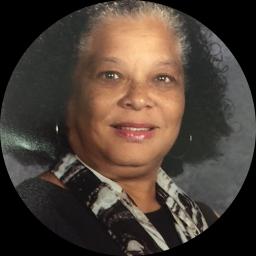
Melinda Perry, LCSW
Licensed in Colorado · 30 years in practice
Melinda Perry is a licensed clinical social worker (LCSW) based in Colorado with 30 years of experience.
License and registration
- LCSW, Colorado
- 0366 · expires August 2027
- NPI
- 1346977139 · national provider identifier
- Years in practice
- 30
- Languages
- English
Details are as listed on the therapist's public professional profile. You can check any license with the state board and any NPI with the national registry.
About Melinda
Melinda Perry is a licensed clinical social worker (LCSW) based in Colorado with 30 years of experience. She focuses on practical support for common struggles like stress, anxiety, depression, grief, and low self-esteem. Melinda aims to treat people with respect and compassion while helping them build useful skills.
She often works with concerns around relationships, parenting, family conflict, and addiction. Melinda also addresses issues tied to ADHD, trauma and abuse, and identity questions within the LGBT community.
Background and approach
Additional areas she supports include attachment and abandonment concerns, adoption and foster care topics, and blended family challenges. Her approach is adaptable to each person's needs. She values the insight people bring and respects their right to make choices about their lives.
Sessions emphasize collaboration and practical strategies that people can use between meetings. Melinda uses client-centered methods to follow the person's lead and create a comfortable pace for change. She also draws on emotionally-focused ideas to help people understand and shift the patterns that cause pain in relationships.
Together, she and the client shape a plan that fits current goals and life demands. Many people come for help with communication problems, caregiver stress, forgiveness work, or processing family of origin issues. Melinda tailors conversation and skills-building to the exact situation.
She knows beginning therapy can feel hard and aims to make the next steps clear and manageable.
Focus areas and approaches
Everything Melinda lists on their public professional profile, in their own terms.
- Stress, Anxiety
- Family conflicts
- Grief
- Self esteem
- Depression
- Addictions
- LGBT
- Relationship issues
- Trauma and abuse
- Parenting issues
- Anger management
- ADHD
- Abandonment
- Adoption and foster care
- Attachment issues
- Autism and Asperger Syndrome
- Blended family issues
- Caregiver issues and stress
- Codependency
- Communication problems
- Control issues
- Dependent personality
- Divorce and separation
- Family of origin issues
- Family problems
- Fertility issues
- Forgiveness
- Hospice and end-of-life counseling
- Isolation / loneliness
- Life purpose
- Midlife crisis
- Multicultural concerns
- Post-traumatic stress
- Prejudice and discrimination
- Self-harm
- Sexual assault and abuse
- Social anxiety and phobia
Approaches Melinda names
Naming an approach is not evidence of training in it. This directory copies what each therapist lists and does not check training records.
Online support
How therapy approaches translate to online care
Client-centered therapy focuses on listening and following the person's lead. The therapist offers empathy, reflects what she hears, and helps the client name their concerns. This approach works well for people who want a gentle, paced process to clarify goals and make changes.Emotionally-Focused Therapy (EFT) helps people understand and shift patterns in relationships and within themselves. It looks at how emotions and interaction cycles keep problems going and guides people to new ways of responding. EFT can be useful for healing attachment wounds, family conflict, and recurring relational patterns.
Choosing the right approach is part of the work. The therapist will talk with the client about goals, preferences, and life demands, and together they will decide which methods to try. This collaborative process helps tailor sessions to what actually helps the person move forward.
Online formats include video calls, phone sessions, live chat, and text-based messaging. Video is helpful for face-to-face conversation and visual cues. Phone sessions can fit a busy schedule or use less bandwidth. Live chat and text messaging allow shorter check-ins and ongoing support between sessions. These options offer flexibility so therapy can fit into daily life rather than replace it.
We will earn a commission if you sign up through our link, at no cost to you. It does not change what you pay or the order of the listings.
Questions people ask
What kinds of concerns does this therapist address?
She helps with stress, anxiety, depression, grief, self-esteem, addictions, relationship and family issues, and related topics such as parenting, ADHD, trauma, and LGBT concerns.
What is the therapy style like in sessions?
Sessions are collaborative and down-to-earth, using client-centered and emotionally-focused approaches to follow the person's needs and name relationship patterns that cause distress.
How much experience does the therapist have?
The therapist has 30 years of professional experience working in social work and clinical settings.
Where is the therapist licensed and based?
The therapist holds an LCSW credential and practices in Colorado.
What languages are supported for sessions?
Sessions are offered in English.
Which session formats are available for online work?
Online options include video calls, phone sessions, live chat, and text-based messaging.
How does payment and cost work?
Costs vary by location and therapist availability; sessions use a subscription model that can be canceled at any time.
What are the steps to begin therapy?
Start by selecting the Start Therapy button, complete a short matching questionnaire, and then schedule sessions according to therapist availability.
More therapists in Colorado
See allMadison Montes
LCSW, CSW
Practical support for stress and recovery
- Stress, Anxiety
- Addictions
- Trauma and abuse

Diana Kelly
LCSW, CSW, LIMHP
Compassionate client-centered therapy with experience
- Stress, Anxiety
- LGBT
- Grief
Nicole Porter
LCSW, CSW
Practical support for stress, relationships, and life change
- Stress, Anxiety
- Relationship
- Family
Rebecca Lanier
LCSW, CSW
Experienced LCSW focused on practical growth
- Stress, Anxiety
- Relationship
- Trauma and abuse

Is this your profile?
Ask us to correct details or take the page down.
Contact us