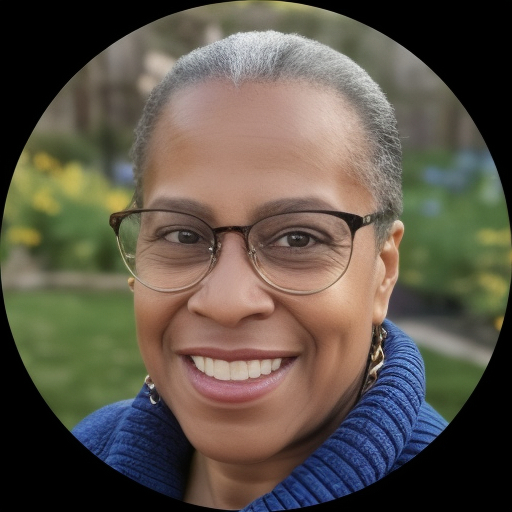
Yvonne Oree, LCSW
Licensed in North Carolina · 15 years in practice
Yvonne Oree helps people who feel overwhelmed by stress, anxiety, addiction, anger, or major life changes.
License and registration
- LCSW, North Carolina
- C012014 · expires January 2028
- LCSW, Virginia
- 0904016111 · expires June 2026
- NPI
- 1457658353 · national provider identifier
- Years in practice
- 15
- Languages
- English
Details are as listed on the therapist's public professional profile. You can check any license with the state board and any NPI with the national registry.
About Yvonne
Yvonne Oree helps people who feel overwhelmed by stress, anxiety, addiction, anger, or major life changes. She works with individuals facing depression, trauma, relationship and family concerns, grief, and struggles with intimacy or self-esteem. Yvonne is a Licensed Clinical Social Worker, and she brings a practical, direct style to sessions.
Her approach focuses on what matters most to each client. She uses client-centered care to listen and reflect what people need in the moment.
Background and approach
Cognitive Behavioral Therapy helps identify and change unhelpful thoughts and behaviors. Mindfulness techniques build present-moment awareness and reduce reactivity. Yvonne also uses motivational interviewing to support shifts in substance use and other addictive behaviors.
Solution-focused work helps set concrete, short-term goals so progress is visible. She has particular experience with domestic violence, drug and alcohol addiction, process addictions, mood disorders, and women’s issues. With 15 years of experience, she blends straightforward feedback with a strengths-based outlook.
Sessions aim to teach healthier coping skills, improve sleep and eating routines, and address parenting and career stress when those issues come up. The tone is respectful and honest, with an emphasis on practical steps. Yvonne practices in North Carolina and conducts sessions in English.
She supports clients who want to tackle addictions, compassion fatigue, bipolar mood concerns, and the many ways life transitions can unsettle daily routines. Getting started involves a brief matching process and scheduling that works with the client’s timing.
Focus areas and approaches
Everything Yvonne lists on their public professional profile, in their own terms.
- Stress, Anxiety
- Addictions
- Anger management
- Self esteem
- Depression
- Relationship issues
- Family conflicts
- Trauma and abuse
- Grief
- Intimacy-related issues
- Eating disorders
- Sleeping disorders
- Parenting issues
- Career difficulties
- Bipolar disorder
- Coping with life changes
- Coaching
- Compassion fatigue
- Domestic violence
- Drug and alcohol addiction
- Mood disorders
- Process addiction (porn, exercise, gambling)
- Women's issues
Approaches Yvonne names
- Client-Centered Therapy
- Cognitive Behavioral Therapy (CBT)
- Mindfulness Therapy
- Motivational Interviewing
- Solution-Focused Therapy
- Trauma-Focused Therapy
Naming an approach is not evidence of training in it. This directory copies what each therapist lists and does not check training records.
Online support
Approaches that guide online care
Client-centered therapy means the therapist listens closely and follows the client’s lead. It focuses on understanding each person’s needs, building trust, and working at a comfortable pace to address concerns like stress, relationship problems, and self-esteem issues.Cognitive Behavioral Therapy, or CBT, helps identify unhelpful thoughts and habits and replaces them with practical actions. It is useful for anxiety, depression, sleep and eating difficulties, and mood-related challenges because it targets patterns people can change between sessions.
Mindfulness therapy teaches simple awareness skills to reduce reactivity and improve emotional regulation. These practices can help with trauma symptoms, stress, and staying grounded during overwhelming moments.
Finding the right approach is part of the work together. The therapist will discuss goals, try methods that fit the client’s needs, and adapt based on what helps most. This collaborative process makes it easier to pick strategies that feel workable and realistic.
Online sessions are offered by licensed professionals using video calls, phone sessions, live chat, or text-based messaging. Video is useful for face-to-face conversation and visual cues. Phone calls can be easier when bandwidth is limited or when someone prefers not to be on camera. Live chat and text messaging allow brief check-ins, quick coping reminders, or ongoing support between longer sessions. These options make scheduling more flexible and help therapy fit into busy lives.
We will earn a commission if you sign up through our link, at no cost to you. It does not change what you pay or the order of the listings.
Questions people ask
What concerns does she help with?
She works with stress, anxiety, depression, trauma and abuse, addictions, anger, self-esteem, relationship and family issues, grief, intimacy concerns, eating and sleeping problems, parenting and career stress, bipolar disorder, and compassion fatigue.
What is her therapeutic style like?
Her style is client-centered, strength-based, and solution-focused. She uses practical tools, straightforward feedback, and a respectful tone to help clients build coping skills.
How much experience does she have?
She has 15 years of clinical experience working in mental health and addiction settings.
What credentials and location are listed?
She is a Licensed Clinical Social Worker with NC LCSW and VA LCSW credentials and practices in North Carolina.
Which languages are supported and can international clients join?
Sessions are offered in English and she is not accepting international clients at this time.
What session formats are available?
Sessions can be scheduled as video calls, phone sessions, live chat, or text-based messaging to match different needs and schedules.
How does payment and cost work?
Cost varies by location and therapist availability; sessions are billed through a subscription that can be canceled at any time.
How do I begin scheduling a session?
Start by selecting the Start Therapy button, complete a short matching questionnaire, and then schedule sessions according to therapist availability.
More therapists in North Carolina
See allRobert Lindsay
LCSW
Forward-focused therapist for practical change
- Stress, Anxiety
- Relationship
- Family

La Kevia Moore
LCSW
Practical, evidence-based support for stress and trauma
- Stress, Anxiety
- Trauma and abuse
- Self esteem
Aimee Campbell Culler
LCSW
Experienced LCSW providing steady support
- Stress, Anxiety
- Addictions
- Relationship
Angela Greene-Junior
LCSW, LISW-CP
Compassionate LCSW focused on practical change
- Stress, Anxiety
- Addictions
- Relationship
Is this your profile?
Ask us to correct details or take the page down.
Contact us