
George Erickson, LCSW
Licensed in Missouri · 20 years in practice
George Erickson is a licensed clinical social worker with 20 years of professional experience in Missouri.
License and registration
- LCSW, Missouri
- 2005031912 · expires September 2026
- NPI
- 1437149812 · national provider identifier
- Years in practice
- 20
- Languages
- English
Details are as listed on the therapist's public professional profile. You can check any license with the state board and any NPI with the national registry.
About George
George Erickson is a licensed clinical social worker with 20 years of professional experience in Missouri. He focuses on helping people manage stress, anxiety, addiction, trauma, grief, and depression. He frames therapy as a partnership and treats each person as the expert on their own life.
He believes people already have strengths they can use to move forward. In sessions he helps clients name those strengths and use them to solve everyday problems.
Background and approach
He keeps language simple and practical so conversations are easy to follow. George draws on evidence-based therapeutic techniques to address emotional pain and behavioral concerns. He can help people who are coping with relationship strain, intimacy-related concerns, parenting stress, anger, self-esteem struggles, bipolar disorder, ADHD, and major life changes.
He also works with issues such as abandonment, aging questions, autism-related concerns, blended family dynamics, and substance use challenges. Clients can expect a direct, respectful style that focuses on skills and real-world changes. Sessions are collaborative and goal-oriented, with space to process feelings and plan next steps.
George aims to make each meeting feel manageable, whether the priority is symptom relief or long-term growth. If someone is unsure where to begin he offers a short intake to clarify priorities and set simple initial goals. He encourages small steps and recognizes that seeking help is itself meaningful progress.
Focus areas and approaches
Everything George lists on their public professional profile, in their own terms.
- Stress, Anxiety
- Addictions
- Trauma and abuse
- Grief
- Depression
- LGBT
- Relationship issues
- Family conflicts
- Intimacy-related issues
- Parenting issues
- Anger management
- Self esteem
- Career difficulties
- Bipolar disorder
- Coping with life changes
- Compassion fatigue
- ADHD
- Abandonment
- Aging and geriatric issues
- Autism and Asperger Syndrome
- Blended family issues
- Codependency
- Control issues
- Coping with natural or human-caused disaster
- Disruptive Mood Dysregulation Disorder (DMDD)
- Divorce and separation
- Domestic violence
- Drug and alcohol addiction
- Emptiness
- Family of origin issues
- Family problems
- Fatherhood issues
- Forgiveness
- Gender dysphoria
- Guilt and shame
- Life purpose
- Men's issues
- Midlife crisis
- Veteran and Armed Forces Issues
- Mood disorders
- Obsessions, compulsions, and OCD
- Panic disorder and panic attacks
- Paranoia
- Personality disorders
- Polyamory / non-monogamous relationships
- Postpartum depression
- Post-traumatic stress
- Prejudice and discrimination
- Process addiction (porn, exercise, gambling)
- Seasonal Affective Disorder (SAD)
- Self-harm
- Self-love
- Sex addiction
- Sexual assault and abuse
- Social anxiety and phobia
- Trichotillomania
Online support
How evidence-based methods translate to online therapy
George typically uses evidence-based therapeutic techniques that focus on practical skills and problem solving. One common approach emphasizes identifying strengths and building coping skills to reduce symptoms of anxiety, depression, and stress. This approach is hands-on and teaches tools you can use between sessions.Another common method focuses on processing difficult experiences like trauma, grief, and loss by helping people safely name and work through painful memories and emotions. That work aims to lessen the hold those experiences have on daily life and to improve functioning and relationships.
Choosing the right approach is a shared process. He will talk with each person about goals, past experiences with therapy, and what feels most helpful. Together they decide which techniques to try and adjust the plan as needed to match progress and preferences.
Online sessions are offered by video call, phone, live chat, and text-based messaging to make therapy fit into busy lives. Video sessions allow face-to-face conversation, phone sessions can be easier when bandwidth is limited, live chat lets people check in quickly, and messaging supports brief updates or ongoing reflection between meetings. These options give flexibility for scheduling, pacing, and different comfort levels.
We will earn a commission if you sign up through our link, at no cost to you. It does not change what you pay or the order of the listings.
Questions people ask
What concerns does George commonly address?
He helps people with stress, anxiety, addiction, trauma and abuse, grief and depression. Other common areas include relationship and intimacy issues, parenting stress, anger, self-esteem, bipolar disorder, and ADHD.
What is his general therapy style?
He uses a practical, strengths-based approach and works collaboratively with each person. Sessions emphasize clear skills, problem solving, and real-life changes.
How long has he been practicing?
He has 20 years of professional experience working with people on a range of emotional and behavioral concerns.
Where is he licensed and based?
He is licensed in Missouri as an LCSW and provides services from that location.
Can I work with him if I live outside the United States?
International clients are accepted and sessions are offered in English to support people in other locations.
What formats are available for sessions?
Sessions can be scheduled as video calls, phone sessions, live chat, or text-based messaging to suit different needs and routines.
How does payment and cost work?
Cost varies with location and therapist availability; sessions use a subscription model that can be canceled at any time.
How do I begin working with him?
Start by selecting the Start Therapy button, complete a short matching questionnaire, and then schedule sessions according to therapist availability.
More therapists in Missouri
See all
Barbara Fotsch
LCSW
Practical, down-to-earth therapy for real life
- Stress, Anxiety
- Addictions
- Parenting

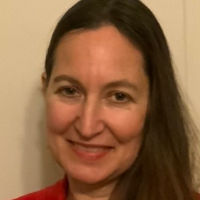
Teresa Nichols
LCSW
Positive, practical support for lasting change
- Stress, Anxiety
- Addictions
- Relationship

Is this your profile?
Ask us to correct details or take the page down.
Contact us