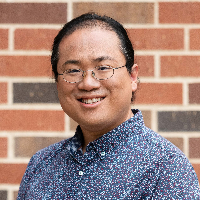
James Dinh, LCSW, LICSW
Licensed in Texas · 9 years in practice
James Dinh is a clinical social worker who uses a mix of practical, person-focused approaches.
License and registration
- LCSW, Texas
- 61941 · expires May 2027
- LICSW, Washington
- LW61548945 · expires May 2027
- NPI
- 1184904385 · national provider identifier
- Years in practice
- 9
- Languages
- English
Details are as listed on the therapist's public professional profile. You can check any license with the state board and any NPI with the national registry.
About James
James Dinh is a clinical social worker who uses a mix of practical, person-focused approaches. As a licensed clinical social worker (LCSW) with experience in Texas and a LICSW credential in Washington, James centers sessions on the individual needs of each person. They aim to create a straightforward space for people to talk, process, and take steps forward.
James has nine years of experience working with adults on issues such as trauma, anxiety, depression, and relationship concerns.
Background and approach
They also focus on identity-related topics including gender, sexuality, and living more authentically. Many people seek help with grief, career stress, self-esteem, and coping with big life changes. Their style blends Acceptance and Commitment Therapy, Cognitive Behavioral Therapy, Dialectical Behavior Therapy, and client-centered approaches.
James offers targeted skills when helpful and time to reflect when that feels better. For trauma-focused work, some clients choose Eye Movement Desensitization and Reprocessing, and James can talk through whether that approach fits a person's needs. Sessions tend to combine practical strategies with attention to values and identity.
James emphasizes finding what actually helps in daily life, like managing panic, handling anger, or navigating non-monogamous relationships. The goal is steady, manageable progress rather than quick fixes. James is openly queer and non-binary and brings attention to multicultural and identity-related issues in therapy.
Sessions are offered in English and are available remotely to people in Texas under the terms of their practice.
Focus areas and approaches
Everything James lists on their public professional profile, in their own terms.
- Stress, Anxiety
- LGBT
- Trauma and abuse
- Coping with life changes
- Compassion fatigue
- Relationship issues
- Family conflicts
- Grief
- Intimacy-related issues
- Anger management
- Self esteem
- Career difficulties
- Bipolar disorder
- Depression
- Autism and Asperger Syndrome
- BDSM, kink, and alternative sex culture
- Communication problems
- Family of origin issues
- Forgiveness
- Gender dysphoria
- Guilt and shame
- Isolation / loneliness
- Mood disorders
- Multicultural concerns
- Obsessions, compulsions, and OCD
- Panic disorder and panic attacks
- Polyamory / non-monogamous relationships
- Post-traumatic stress
- Prejudice and discrimination
- Self-harm
- Self-love
- Sexual assault and abuse
- Sexuality
- Social anxiety and phobia
Approaches James names
- Acceptance and Commitment Therapy (ACT)
- Client-Centered Therapy
- Cognitive Behavioral Therapy (CBT)
- Dialectical Behavior Therapy (DBT)
- Eye Movement Desensitization and Reprocessing (EMDR)
- Mindfulness Therapy
- Motivational Interviewing
- Narrative Therapy
- Solution-Focused Therapy
Naming an approach is not evidence of training in it. This directory copies what each therapist lists and does not check training records.
Online support
How evidence-based methods translate to online care
James commonly uses Acceptance and Commitment Therapy, which helps people clarify what matters to them and take small actions toward those values while learning to live with difficult thoughts. Cognitive Behavioral Therapy is also part of his practice and focuses on changing unhelpful thought and behavior patterns to reduce symptoms like anxiety and depression. For trauma work some clients choose Eye Movement Desensitization and Reprocessing, a structured approach aimed at reducing the hold of traumatic memories so daily life feels more manageable.Choosing an approach is collaborative. James will talk with each person about goals, preferences, and what has or hasn’t worked in the past. Together they decide whether to focus on skills, values-based work, trauma processing, or a mix of methods that fits the person and their pace.
Online formats include video calls, phone sessions, live chat, and text-based messaging to make therapy more flexible. Video is useful for a full conversation and visual cues, phone calls work well when bandwidth is limited, and chat or messaging can be used for quick check-ins or ongoing support between sessions. These options help people fit therapy into work, school, or caregiving schedules while keeping treatment consistent and tailored to real-life needs.
We will earn a commission if you sign up through our link, at no cost to you. It does not change what you pay or the order of the listings.
Questions people ask
What concerns does James commonly address?
James works with stress, anxiety, depression, trauma, relationship and intimacy issues, grief, and mood disorders. Additional focuses include gender and sexuality questions, OCD, panic, and multicultural concerns.
What is James' approach to therapy?
Sessions blend Acceptance and Commitment Therapy, Cognitive Behavioral Therapy, Dialectical Behavior Therapy, EMDR, and client-centered work. The mix is adapted to each person's needs and may shift as therapy progresses.
How much clinical experience does James have?
James brings nine years of experience working with adults on a wide range of issues, including trauma, identity exploration, and mood disorders.
What credentials and region are associated with this therapist?
James holds LCSW and LICSW credentials and practices with a Texas connection noted in their profile.
Which languages are supported for sessions?
Sessions are offered in English.
What session formats are available?
Therapy can be scheduled as video calls, phone sessions, live chat, or text-based messaging to fit different needs and circumstances.
How does pricing and payment work?
Cost varies with location and therapist availability. Sessions use a subscription model that can be canceled at any time.
What steps are involved in getting started?
Begin by selecting the Start Therapy button, complete a short matching questionnaire, and then schedule sessions based on the therapist's availability.
More therapists in Texas
See allTinita Samuels
LCSW
Compassionate, practical support for emotional challenges
- Stress, Anxiety
- Grief
- Anger
Ersha Mitchell
LCSW
Practical, values-driven therapy for life challenges
- Stress, Anxiety
- LGBT
- Trauma and abuse


Juanita Perry-Hoffman
LCSW
Experienced LCSW offering steady practical support
- Stress, Anxiety
- Relationship
- Family
Is this your profile?
Ask us to correct details or take the page down.
Contact us