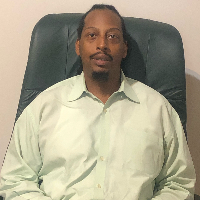
James Milner, LCSW, CSW
Licensed in Georgia · 11 years in practice
James Milner is a licensed clinical social worker (LCSW) based in Georgia who helps adults facing stress, anxiety, depression, relationship strain, addiction concerns, grief, and life transitions.
License and registration
- LCSW, Georgia
- CSW004725 · expires September 2026
- NPI
- 1609129188 · national provider identifier
- Years in practice
- 11
- Languages
- English
Details are as listed on the therapist's public professional profile. You can check any license with the state board and any NPI with the national registry.
About James
James Milner is a licensed clinical social worker (LCSW) based in Georgia who helps adults facing stress, anxiety, depression, relationship strain, addiction concerns, grief, and life transitions. He brings a calm, down-to-earth manner to sessions and focuses on practical steps people can use between meetings.
Clients meet a clinician who wants to understand their beliefs, history, and daily struggles before suggesting a plan. With 11 years of documented experience as a clinical social worker and additional years in social service leadership, Milner blends several approaches to fit each person.
Background and approach
He draws on acceptance and commitment ideas, cognitive-behavioral strategies, client-centered listening, and mindfulness techniques. He may also bring hypnotherapy tools when appropriate. Before focusing on independent practice Milner spent many years running supportive housing and counseling programs in Atlanta and surrounding communities.
That background shaped how he thinks about practical supports and stable routines for people in crisis. He has also worked in university counseling settings and managed programs for people facing homelessness and co-occurring substance issues. Milner pays attention to a person’s belief system and cultural background when shaping goals.
He emphasizes understanding family history, patterns of communication, and how past wounds connect to present problems. Sessions are aimed at small, doable changes rather than quick fixes. Outside clinical work he serves in pastoral counseling roles and has training in meditation, yoga, Reiki, anger management, and hypnotherapy.
He uses this range of experience to offer a flexible, respectful path toward clearer thinking and better daily functioning.
Focus areas and approaches
Everything James lists on their public professional profile, in their own terms.
- Stress, Anxiety
- Trauma and abuse
- Anger management
- Depression
- Addictions
- Relationship issues
- Family conflicts
- Grief
- Self esteem
- Career difficulties
- Bipolar disorder
- Coping with life changes
- Abandonment
- Blended family issues
- Co-morbidity
- Codependency
- Commitment issues
- Communication problems
- Control issues
- Dependent personality
- Divorce and separation
- Domestic violence
- Drug and alcohol addiction
- Emptiness
- Family of origin issues
- Family problems
- Fatherhood issues
- Forgiveness
- Guilt and shame
- Infidelity
- Isolation / loneliness
- Jealousy
- Life purpose
- Men's issues
- Mood disorders
- Multicultural concerns
- Post-traumatic stress
- Prejudice and discrimination
- Self-love
- Sexual assault and abuse
- Social anxiety and phobia
- Workplace issues
Approaches James names
- Acceptance and Commitment Therapy (ACT)
- Client-Centered Therapy
- Cognitive Behavioral Therapy (CBT)
- Dialectical Behavior Therapy (DBT)
- Hypnotherapy
- Mindfulness Therapy
- Motivational Interviewing
- Solution-Focused Therapy
- Internal Family Systems
Naming an approach is not evidence of training in it. This directory copies what each therapist lists and does not check training records.
Online support
Remote therapy approaches and what they do
Acceptance and Commitment Therapy (ACT) helps people notice thoughts and feelings without getting stuck in them and then choose actions that match their values. It can be useful for anxiety, stress, and major life changes. Cognitive Behavioral Therapy (CBT) focuses on identifying unhelpful thinking patterns and trying small behavioral experiments to change mood and function. CBT is often used for depression, anxiety, and coping skills training. Client-Centered Therapy emphasizes empathic listening and helping the client set the pace and goals of therapy to build trust and self-direction.Figuring out which approach fits best is part of the work. The therapist will talk with the client about current needs, goals, and what methods feel right. Together they will try strategies, adjust as needed, and pick tools that match the person’s lifestyle and preferences.
Online sessions can be held by video, phone, live chat, or text-based messaging to make therapy more flexible. Video lets people read facial cues and do deeper conversation, while phone calls can be easier when bandwidth is limited or a shorter check-in is needed. Live chat and messaging are useful for brief check-ins, tracking progress, or when writing feels more comfortable. These options allow therapy to fit into work, family life, or busy schedules.
We will earn a commission if you sign up through our link, at no cost to you. It does not change what you pay or the order of the listings.
Questions people ask
What concerns does this therapist often address?
He works with stress, anxiety, depression, trauma and abuse, anger, addictions, relationship and family issues, grief, self esteem, career concerns, bipolar disorder, and coping with life changes.
What is the therapy style like?
Sessions are practical and collaborative, mixing client-centered listening with techniques from CBT, DBT, and Acceptance and Commitment Therapy to build coping skills and clarity.
What kind of professional background does he have?
He has 11 years of documented clinical experience and a long history running supportive housing and counseling programs in the Atlanta area.
What credentials and location information are listed?
He holds LCSW and CSW credentials and practices in Georgia.
Which languages are sessions offered in?
Sessions are offered in English.
What session formats does he offer?
Therapy is available by video calls, phone sessions, live chat, or text-based messaging.
How does pricing work for sessions?
Cost varies with location and therapist availability; sessions use a subscription model that can be canceled at any time.
How do I begin if I want to work together?
Start by selecting the Start Therapy button, complete a short matching questionnaire, and then schedule sessions according to therapist availability.
More therapists in Georgia
See allDr. Kerene Brown
LICSW, LCSW, CSW
Practical, compassionate support for life transitions
- Stress, Anxiety
- Trauma and abuse
- Self esteem
Remmawii (Karuna) Kristjanson
LCSW, CSW
Compassionate support for trauma and addiction recovery
- Addictions
- Relationship
- Trauma and abuse

Lawanna Barron
LCSW, CSW
Experienced Georgia LCSW focused on practical support
- Stress, Anxiety
- Career
- Depression

Mary Smith Tyler
LCSW, CSW
Compassionate social worker focusing on relationships
- Relationship
- Family
- Parenting

Is this your profile?
Ask us to correct details or take the page down.
Contact us