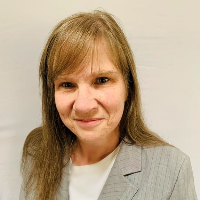
Tarin Bickford, LISW, LCSW
Licensed in Iowa · 30 years in practice
Tarin Bickford is a licensed clinical social worker with three decades of experience helping people navigate hard times.
License and registration
- LISW, Iowa
- 008088 · expires December 2026
- LCSW, Oregon
- L13422 · expires June 2026
- LICSW, Washington
- LW61367668 · expires May 2026
- NPI
- 1902361132 · national provider identifier
- Years in practice
- 30
- Languages
- English
Details are as listed on the therapist's public professional profile. You can check any license with the state board and any NPI with the national registry.
About Tarin
Tarin Bickford is a licensed clinical social worker with three decades of experience helping people navigate hard times. She holds an Iowa Licensed Independent Social Worker (LISW) credential and an Oregon Licensed Clinical Social Worker (LCSW) credential. Tarin speaks English and offers remote sessions that can fit into busy schedules.
She takes a straightforward, practical approach in sessions. Tarin listens first, then helps clients set clear goals. She uses evidence-informed tools to manage anxiety, depression, trauma, and addiction.
Background and approach
The work aims to reduce suffering and increase day-to-day functioning. Tarin often blends Cognitive Behavioral Therapy, Acceptance and Commitment Therapy, and client-centered strategies. That mix helps people change unhelpful thinking, build coping skills, and reconnect to what matters.
Sessions are paced to each person's needs and focus on usable skills rather than theory alone. Her background includes long-term clinical work with a wide range of concerns, from mood disorders and grief to chronic illness and identity-related stress. Tarin also addresses issues like body image, obsessive-compulsive patterns, and stress related to work or finances.
People who do best with her tend to want practical steps and honest conversation. She helps clients work through relationship and intimacy issues, parenting strain, substance problems, and burnout. Tarin aims to create a respectful, kind space where people can try new ways of coping and move toward the life they want.
Focus areas and approaches
Everything Tarin lists on their public professional profile, in their own terms.
- Stress, Anxiety
- Addictions
- Trauma and abuse
- Grief
- Depression
- LGBT
- Relationship issues
- Family conflicts
- Intimacy-related issues
- Eating disorders
- Parenting issues
- Anger management
- Self esteem
- Career difficulties
- Bipolar disorder
- Coping with life changes
- Coaching
- Compassion fatigue
- ADHD
- Body image
- Chronic pain, illness, and disability
- Gender dysphoria
- Hoarding
- Hospice and end-of-life counseling
- Impulsivity
- Jealousy
- Veteran and Armed Forces Issues
- Money and financial issues
- Mood disorders
- Multicultural concerns
- Obsessions, compulsions, and OCD
- Personality disorders
- Prejudice and discrimination
- Seasonal Affective Disorder (SAD)
- Sexual assault and abuse
- Women's issues
- Workplace issues
Approaches Tarin names
- Acceptance and Commitment Therapy (ACT)
- Attachment-Based Therapy
- Client-Centered Therapy
- Cognitive Behavioral Therapy (CBT)
- Dialectical Behavior Therapy (DBT)
- Emotionally-Focused Therapy (EFT)
- Mindfulness Therapy
- Motivational Interviewing
- Narrative Therapy
- Psychodynamic Therapy
- Solution-Focused Therapy
- Trauma-Focused Therapy
Naming an approach is not evidence of training in it. This directory copies what each therapist lists and does not check training records.
Online support
Evidence-informed approaches for online care
Acceptance and Commitment Therapy (ACT) helps people clarify what matters to them and take action despite difficult thoughts or feelings; it is often useful for anxiety, depression, and life transitions. Cognitive Behavioral Therapy (CBT) focuses on identifying unhelpful thinking and changing behaviors through practical exercises, which can help with mood disorders, obsessions, and stress. Client-Centered Therapy centers the client's perspective, offering a respectful, nonjudgmental environment where insight and trust grow at the client's pace.Choosing the right approach is part of the process. Tarin will work collaboratively to match methods to a person's needs, goals, and preferences. She may combine techniques so sessions feel useful and manageable rather than rigidly following one model.
Online formats include video calls, phone sessions, live chat, and text-based messaging. Video calls are helpful for face-to-face conversation and interactive skill practice. Phone sessions are a lower-bandwidth option for focused talks. Live chat or text messaging can complement regular sessions with brief check-ins or homework support. These options make it easier to fit therapy into work, caregiving, or travel schedules while keeping the focus on practical progress.
We will earn a commission if you sign up through our link, at no cost to you. It does not change what you pay or the order of the listings.
Questions people ask
What concerns does Tarin help people address?
She works with a broad range of issues including stress, anxiety, addictions, trauma and abuse, grief, depression, LGBT concerns, relationship and intimacy-related issues, eating and parenting challenges, anger, self-esteem, career and mood disorders.
What is Tarin's therapeutic style?
Her style is direct and practical. She listens, helps set clear goals, and teaches skills from approaches like CBT and ACT while keeping sessions focused on everyday change.
How long has she been practicing?
Tarin brings 30 years of clinical experience to her work, drawing on long-term practice with many presenting concerns.
What credentials and location are listed?
She holds an IA LISW and an OR LCSW and is based in Oregon.
Which languages and international clients are supported?
Sessions are offered in English and international clients are accepted.
In what formats are sessions offered?
Therapy is available by video calls, phone sessions, live chat, or text-based messaging to accommodate different needs and schedules.
How are costs structured?
Cost varies with location and therapist availability; sessions use a subscription model that can be canceled at any time.
How do I begin working with her?
To start, select the Start Therapy button, complete a short matching questionnaire, and schedule according to the therapist's availability.
More therapists in Oregon
See allSharie Kelley
LCSW
Experienced LCSW focused on practical change
- Stress, Anxiety
- Addictions
- Trauma and abuse

Stacie Westbrook
LCSW
Supportive LCSW for parenting and life stress
- Stress, Anxiety
- Relationship
- Parenting

Linda McNellis
LCSW
Compassionate, practical therapy for life’s hard moments
- Stress, Anxiety
- Trauma and abuse
- Grief

Danyelle Sanders
LCSW
Compassionate, practical care for stress and life changes
- Stress, Anxiety
- Addictions
- Self esteem

Is this your profile?
Ask us to correct details or take the page down.
Contact us