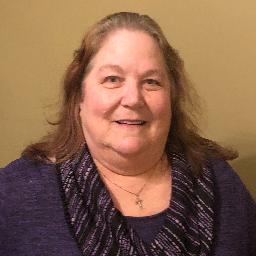
Debra Pittman, LCSW
Licensed in Arkansas · 17 years in practice
Debra Pittman offers straightforward support for people facing stress, anxiety, depression, grief, trauma, and life changes.
License and registration
- LCSW, Arkansas
- 9188-C · expires September 2026
- NPI
- 1417547589 · national provider identifier
- Years in practice
- 17
- Languages
- English
Details are as listed on the therapist's public professional profile. You can check any license with the state board and any NPI with the national registry.
About Debra
Debra Pittman offers straightforward support for people facing stress, anxiety, depression, grief, trauma, and life changes. She introduces a calm, nonjudgmental presence and focuses on practical steps that fit each person's situation. Debra is a Licensed Certified Social Worker, LCSW, working from Arkansas and drawing on 17 years of experience.
She keeps sessions warm and down-to-earth. Conversations start with where the person is now and where they want to go.
Background and approach
Together they build a simple plan with clear steps to try between sessions. Debra stays alongside clients as they put those steps into practice. Her work covers a broad range of concerns, including trauma and abuse, mood and anxiety issues, bipolar disorder, ADHD, sleep problems, anger, and parenting stress.
She also addresses family problems, adoption and foster care questions, attachment and abandonment issues, and substance concerns when they arise. Sessions can include coping strategies for panic, OCD symptoms, and impulsivity. Debra draws from several therapeutic styles to fit each person.
She uses client-centered listening to make space for the person's experience. Cognitive Behavioral Therapy techniques help spot and change unhelpful thinking and behavior. Mindfulness practices and narrative conversation offer tools to manage stress and reframe difficult events.
Her aim is steady progress rather than quick fixes. She encourages small, achievable changes and adjusts plans as needed. People who want a practical, collaborative approach that respects their pace often find her style helpful.
Focus areas and approaches
Everything Debra lists on their public professional profile, in their own terms.
- Trauma and abuse
- Anger management
- Self esteem
- Bipolar disorder
- Stress, Anxiety
- Family conflicts
- Grief
- Sleeping disorders
- Parenting issues
- Depression
- Coping with life changes
- ADHD
- Abandonment
- Adoption and foster care
- Attachment issues
- Blended family issues
- Control issues
- Coping with natural or human-caused disaster
- Disruptive Mood Dysregulation Disorder (DMDD)
- Drug and alcohol addiction
- Family problems
- Forgiveness
- Guilt and shame
- Impulsivity
- Mood disorders
- Obsessions, compulsions, and OCD
- Panic disorder and panic attacks
- Phobias
- Post-traumatic stress
- Seasonal Affective Disorder (SAD)
- Self-harm
- Sexual assault and abuse
- Social anxiety and phobia
- Trichotillomania
- Young adult issues
Approaches Debra names
- Client-Centered Therapy
- Cognitive Behavioral Therapy (CBT)
- Mindfulness Therapy
- Narrative Therapy
- Solution-Focused Therapy
- Trauma-Focused Therapy
Naming an approach is not evidence of training in it. This directory copies what each therapist lists and does not check training records.
Online support
Therapeutic approaches and how they fit online
Client-Centered Therapy focuses on listening closely and helping people find their own solutions. In online sessions this means the therapist follows the person’s lead, offers reflections, and helps clarify what matters most to them. Cognitive Behavioral Therapy, or CBT, looks at the connections between thoughts, feelings, and actions and teaches practical exercises to change unhelpful patterns; it can be used for anxiety, depression, panic, and many everyday problems.Finding the right approach is part of the work. The therapist discusses goals and preferences in early sessions and together they choose methods that make sense. That may mean trying CBT techniques for a few weeks, adding mindfulness practices, or focusing on narrative work to reframe past experiences. The plan can change based on what helps most.
Online formats offer flexibility that fits busy lives. Video calls recreate a face-to-face conversation when depth is needed. Phone sessions require less bandwidth and can be easier to schedule. Live chat and text-based messaging are useful for brief check-ins, step-by-step coaching, or when someone prefers typing over speaking. These options make it easier to keep therapy consistent around work, school, or family obligations.
We will earn a commission if you sign up through our link, at no cost to you. It does not change what you pay or the order of the listings.
Questions people ask
What kinds of issues does she help with?
She supports people with trauma and abuse, depression, anxiety, bipolar disorder, ADHD, grief, sleeping problems, anger, parenting stress, and related concerns.
What is her counseling style like?
Her style is warm, supportive, and practical. Sessions focus on listening, setting goals, and trying specific steps between meetings.
How long has she practiced?
She has 17 years of experience working with adults who face mood, anxiety, trauma, and life-change issues.
Where is she licensed and located?
She is a Licensed Certified Social Worker, LCSW, in Arkansas and practices from that state.
Can sessions be conducted in other languages?
Sessions are offered in English.
What session formats are available?
Sessions can be held as video calls, phone sessions, live chat, or through text-based messaging.
How does billing and cost work?
Cost varies with location and therapist availability; sessions use a subscription model that can be canceled at any time.
What are the first steps to begin therapy?
Start by selecting the Start Therapy button, complete a short matching questionnaire, and then schedule sessions according to the therapist's availability.
More therapists in Arkansas
See allAllison Martin
LCSW
Practical support for stress and parenting challenges
- Stress, Anxiety
- Parenting
- Coping with life changes

Christina Cook
LCSW
Practical, evidence-informed therapy for everyday struggles
- Stress, Anxiety
- Relationship
- Anger
Linda Beldin-Korter
LCSW
Compassionate support for change and recovery
- Addictions
- Trauma and abuse
- Grief


Is this your profile?
Ask us to correct details or take the page down.
Contact us