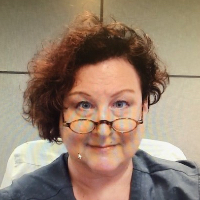
Kim Padula, LCSW
Licensed in Tennessee · 26 years in practice
Kim Padula is a licensed clinical social worker who helps people facing stress, anxiety, depression, addiction, grief, and major life changes.
License and registration
- LCSW, Tennessee
- 3352 · expires August 2026
- NPI
- 1467415018 · national provider identifier
- Years in practice
- 26
- Languages
- English
Details are as listed on the therapist's public professional profile. You can check any license with the state board and any NPI with the national registry.
About Kim
Kim Padula is a licensed clinical social worker who helps people facing stress, anxiety, depression, addiction, grief, and major life changes. She brings a calm, practical approach and focuses on clear goals. Her style centers on recognizing strengths and building choices about how to respond to life’s demands.
With 26 years of practice, Kim draws on a mix of well-known therapeutic methods to shape sessions that fit each person. Early meetings focus on personal history and relationships that have shaped current difficulties.
Background and approach
She and the client set concrete objectives and review progress over time. Sessions aim to move beyond understanding toward action. Expect straightforward conversation, skill-building, and steps you can try between appointments.
The process is collaborative - she frames therapy as a team effort where both people contribute ideas and adjustments. Kim trained in psychology as an undergraduate at Vanderbilt University and completed a master’s degree in clinical social work. That background guides a practical, strengths-focused stance.
She emphasizes accountability, perspective, and steady progress rather than quick fixes. People who work with her find a combination of empathy and clear direction. She adapts methods to fit concerns like mood disorders, panic, relationship struggles, caregiver stress, career questions, and compassion fatigue.
The focus is on small, sustainable changes that lead to better day-to-day functioning.
Focus areas and approaches
Everything Kim lists on their public professional profile, in their own terms.
- Stress, Anxiety
- Addictions
- Bipolar disorder
- Depression
- Coping with life changes
- LGBT
- Relationship issues
- Family conflicts
- Grief
- Anger management
- Self esteem
- Career difficulties
- Coaching
- Compassion fatigue
- Aging and geriatric issues
- Caregiver issues and stress
- Co-morbidity
- Codependency
- Communication problems
- Coping with natural or human-caused disaster
- Divorce and separation
- Drug and alcohol addiction
- Family of origin issues
- First responder issues
- Forgiveness
- Life purpose
- Midlife crisis
- Mood disorders
- Panic disorder and panic attacks
- Prejudice and discrimination
- Self-love
- Social anxiety and phobia
- Women's issues
- Workplace issues
Approaches Kim names
- Client-Centered Therapy
- Cognitive Behavioral Therapy (CBT)
- Dialectical Behavior Therapy (DBT)
- Existential Therapy
- Jungian Therapy
- Mindfulness Therapy
- Motivational Interviewing
- Solution-Focused Therapy
Naming an approach is not evidence of training in it. This directory copies what each therapist lists and does not check training records.
Online support
Approaches that guide online sessions
Client-Centered Therapy focuses on listening and responding to each person’s needs so they feel understood and supported; it helps when someone needs space to make sense of feelings and options. Cognitive Behavioral Therapy, or CBT, looks at thoughts and behaviors together and helps people develop practical skills to reduce anxiety, manage mood, or change unhelpful patterns. Dialectical Behavior Therapy, or DBT, teaches skills for emotion regulation, distress tolerance, and clearer communication, which can be useful for mood instability and intense reactions.Choosing the best approach is part of the work. The therapist will review your history and current goals and then suggest methods that fit those priorities. This is collaborative - adjustments are made over time based on what helps you make progress and feel more capable.
Online therapy with Kim uses video calls, phone sessions, live chat, or text-based messaging to offer flexibility. Video calls let you see facial cues and use typical session structure. Phone sessions can be easier when bandwidth is limited or when a shorter check-in fits your schedule. Live chat and text-based messaging make it possible to get brief, timely support or to communicate in writing between longer sessions. These options help people fit therapy into busy or changing lives while working with a licensed professional.
We will earn a commission if you sign up through our link, at no cost to you. It does not change what you pay or the order of the listings.
Questions people ask
What kinds of concerns does Kim help with?
She supports people dealing with stress, anxiety, depression, bipolar disorder, addictions, grief, anger, and life changes among other issues.
How would you describe her therapy style?
Her style is collaborative and strengths-focused, combining conversation with concrete skill-building and actionable goals.
What is her professional background?
She studied psychology at Vanderbilt University and earned a master’s degree in clinical social work, with 26 years of clinical practice since 1995.
Where is Kim licensed and based?
She is a Tennessee LCSW and practices from Tennessee.
Which languages are offered and are international clients accepted?
Sessions are offered in English and international clients are accepted.
What session formats are available?
She offers video calls, phone sessions, live chat, and text-based messaging to suit different needs.
How does cost and billing work?
Cost varies with location and therapist availability; sessions use a subscription that can be canceled at any time.
How do I start working with her?
Begin by selecting the Start Therapy button, complete a short matching questionnaire, and schedule according to therapist availability.
More therapists in Tennessee
See allBetty Burns
LCSW
Compassionate social worker focused on real-life change
- Relationship
- Trauma and abuse
- ADHD
Bradley Clayton
LCSW
Calm, practical support for daily struggles
- Stress, Anxiety
- Trauma and abuse
- Grief

Is this your profile?
Ask us to correct details or take the page down.
Contact us