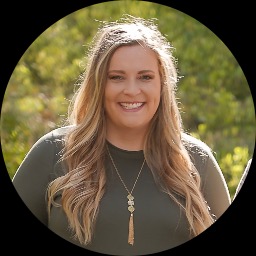
Mallory Langkrahr, LCSW
Licensed in Missouri · 3 years in practice
Mallory Langkrahr is a Licensed Clinical Social Worker who helps people facing stress, anxiety, substance concerns, grief, relationship strain, mood symptoms, and life changes.
License and registration
- LCSW, Missouri
- 2021041397 · expires September 2027
- NPI
- 1316609647 · national provider identifier
- Years in practice
- 3
- Languages
- English
Details are as listed on the therapist's public professional profile. You can check any license with the state board and any NPI with the national registry.
About Mallory
Mallory Langkrahr is a Licensed Clinical Social Worker who helps people facing stress, anxiety, substance concerns, grief, relationship strain, mood symptoms, and life changes. She listens with curiosity and works with each person to set clear, achievable goals. Her style is straightforward and practical, aimed at steps people can try between sessions.
Mallory draws on three main approaches in her work: Client-Centered Therapy, Cognitive Behavioral Therapy, and Motivational Interviewing. She blends listening and reflection with specific strategies to change unhelpful thoughts and behaviors.
Background and approach
Sessions may include looking at patterns, practicing new skills, and setting small experiments to try in daily life. Her background includes work in hospice, home health, group and individual settings, and residential programs for veterans. That variety has shaped a flexible way of working with people who face combined mental health and substance use concerns, caregiving stress, or major life transitions.
She brings that experience into collaborative goal setting and problem solving. People who value practical suggestions and an attentive listener often find this approach useful. Mallory has three years of professional practice as an LCSW in Missouri.
She offers sessions in English and uses a conversational, respectful tone while keeping treatment focused on the client's priorities. Therapy with Mallory tends to focus on strengths, building motivation for change, and helping people manage emotions and day-to-day challenges. She encourages small, steady steps toward better coping and clearer decisions.
Focus areas and approaches
Everything Mallory lists on their public professional profile, in their own terms.
- Stress, Anxiety
- Addictions
- Grief
- Self esteem
- Depression
- LGBT
- Relationship issues
- Family conflicts
- Trauma and abuse
- Intimacy-related issues
- Anger management
- Bipolar disorder
- Coping with life changes
- Compassion fatigue
- ADHD
- Aging and geriatric issues
- Attachment issues
- Body image
- Cancer
- Caregiver issues and stress
- Co-morbidity
- Domestic violence
- Drug and alcohol addiction
- Emptiness
- Family problems
- Forgiveness
- HIV / AIDS
- Hoarding
- Hospice and end-of-life counseling
- Intellectual disability
- Jealousy
- Life purpose
- Veteran and Armed Forces Issues
- Money and financial issues
- Obsessions, compulsions, and OCD
- Paranoia
- Post-traumatic stress
- Process addiction (porn, exercise, gambling)
- Seasonal Affective Disorder (SAD)
- Self-harm
- Self-love
- Sexual assault and abuse
- Sexuality
- Smoking / vaping cessation
- Traumatic brain injury
- Women's issues
- Workplace issues
- Young adult issues
Approaches Mallory names
Naming an approach is not evidence of training in it. This directory copies what each therapist lists and does not check training records.
Online support
Approaches to online therapy and what they offer
Client-Centered Therapy focuses on listening and understanding the person's perspective. The therapist reflects what matters to the client and supports them in finding their own answers, which helps when someone feels stuck or unsure about next steps.Cognitive Behavioral Therapy, or CBT, looks at how thoughts, feelings, and behaviors connect. It uses simple exercises and practice tasks to test new ways of thinking and acting, which can help with anxiety, low mood, and loneliness.
Motivational Interviewing helps people who feel uncertain about change. It uses open questions and reflection to build motivation and clarify values, which can be useful for substance use concerns and mixed feelings about next steps.
Mallory will work with each person to decide which approach, or combination, fits best. That choice is collaborative and can shift over time as needs and goals change. Together they set small goals and try practical steps so progress is clear and measurable.
Online formats include video calls, phone sessions, live chat, and text-based messaging. Video is helpful for a full session with visual cues. Phone sessions can be easier when bandwidth is limited or a shorter check-in is needed. Live chat and text messaging work well for quick check-ins, brief skills practice, or when typing feels more comfortable. These options make it easier to fit therapy into busy schedules and different daily routines.
We will earn a commission if you sign up through our link, at no cost to you. It does not change what you pay or the order of the listings.
Questions people ask
What concerns does Mallory commonly address?
She works with stress, anxiety, addiction concerns, grief, self-esteem, depression, relationship and family issues, trauma, ADHD, and related struggles.
What is Mallory's general therapy style?
Her style is practical and collaborative, blending listening with concrete strategies from Client-Centered Therapy, CBT, and Motivational Interviewing to set and reach goals.
What experience does she bring to sessions?
Mallory has three years of experience and has worked in hospice, home health, group settings, and residential programs for veterans.
Where is Mallory licensed and based?
She is a Licensed Clinical Social Worker (LCSW) practicing in Missouri.
Which languages are supported during sessions?
Sessions are offered in English.
Can people outside the U.S. work with her?
She does not accept international clients at this time.
What formats are available for meeting?
Sessions can be scheduled as video calls, phone sessions, live chat, or text-based messaging depending on the client's needs.
How are costs and getting started handled?
Costs vary by location and therapist availability and use a subscription that can be canceled at any time; to begin, select the Start Therapy button, complete a short matching questionnaire, and schedule a session.
More therapists in Missouri
See all
Barbara Fotsch
LCSW
Practical, down-to-earth therapy for real life
- Stress, Anxiety
- Addictions
- Parenting

Teresa Nichols
LCSW
Positive, practical support for lasting change
- Stress, Anxiety
- Addictions
- Relationship

Is this your profile?
Ask us to correct details or take the page down.
Contact us