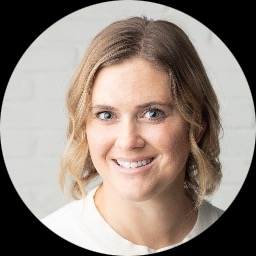
Molly Theurer, LCSW
Licensed in Utah · 16 years in practice
Molly Theurer helps people who are juggling stress, anxiety, depression, and major life changes.
License and registration
- LCSW, Utah
- 7360701-3501 · expires September 2026
- NPI
- 1053584375 · national provider identifier
- Years in practice
- 16
- Languages
- English
Details are as listed on the therapist's public professional profile. You can check any license with the state board and any NPI with the national registry.
About Molly
Molly Theurer helps people who are juggling stress, anxiety, depression, and major life changes. She is a Licensed Clinical Social Worker, LCSW, based in Utah and draws on 16 years of experience in behavioral health. Her approach is practical and down-to-earth to make therapy something people can fit into a busy life.
Molly uses straightforward tools to address mood, worry, and trauma. She mixes cognitive behavioral ideas with mindfulness and acceptance strategies to help people notice what matters and act on it.
Background and approach
Skills work and short-term practical plans are common parts of sessions. Her background includes time in residential treatment, group homes, hospital settings, and both online and in-person counseling. That range gives her experience with crisis response, structured interventions, and ongoing coping skills.
Molly keeps sessions focused on concrete steps people can try between meetings. She also addresses relationship stress, parenting challenges, addictions, and eating or body-image concerns. Special interests include adoption and foster care, attachment challenges, and obsessive-compulsive patterns.
Molly aims to make therapy feel useful rather than overwhelming. Molly blends client-centered listening with evidence-based techniques such as Acceptance and Commitment Therapy, Cognitive Behavioral Therapy, and Dialectical Behavior Therapy when appropriate. She works collaboratively to set goals and track progress that feels relevant to daily life.
Focus areas and approaches
Everything Molly lists on their public professional profile, in their own terms.
- Stress, Anxiety
- Family conflicts
- Self esteem
- Depression
- Coping with life changes
- Addictions
- Relationship issues
- Trauma and abuse
- Grief
- Eating disorders
- Parenting issues
- Career difficulties
- Coaching
- ADHD
- Adoption and foster care
- Attachment issues
- Body image
- Codependency
- Communication problems
- Control issues
- Dependent personality
- Divorce and separation
- Eating and food-related issues
- Family problems
- Guilt and shame
- Hoarding
- Isolation / loneliness
- Mood disorders
- Obsessions, compulsions, and OCD
- Personality disorders
- Postpartum depression
- Post-traumatic stress
- Pregnancy and childbirth
- Seasonal Affective Disorder (SAD)
- Self-harm
- Self-love
- Social anxiety and phobia
- Women's issues
- Young adult issues
Approaches Molly names
- Acceptance and Commitment Therapy (ACT)
- Client-Centered Therapy
- Cognitive Behavioral Therapy (CBT)
- Dialectical Behavior Therapy (DBT)
- Gottman Method
- Mindfulness Therapy
- Narrative Therapy
- Solution-Focused Therapy
- Trauma-Focused Therapy
Naming an approach is not evidence of training in it. This directory copies what each therapist lists and does not check training records.
Online support
Approach and online options that fit your life
Molly commonly uses Acceptance and Commitment Therapy to help people clarify their values and take steps toward what matters, even when emotions are difficult. Cognitive Behavioral Therapy is used to identify unhelpful thoughts and test practical behavior changes that reduce anxiety and low mood.Finding the right approach is part of the work. Molly collaborates with each person to choose methods that match their needs, goals, and preferences. She treats the choice as flexible and adjusts strategies as progress is made.
Online sessions are offered by video call, phone, live chat, or text-based messaging. Video lets people use face-to-face interaction for skills practice and check-ins, while phone sessions can be easier when bandwidth is limited or during a break at work. Live chat and messaging work well for brief check-ins, homework support, or when writing feels easier than talking. These options aim to make regular therapy more practical and easier to fit into daily life.
We will earn a commission if you sign up through our link, at no cost to you. It does not change what you pay or the order of the listings.
Questions people ask
What concerns does Molly commonly help with?
Molly addresses stress, anxiety, depression, trauma and abuse, relationship and parenting strain, addictions, eating and body-image issues, grief, and ADHD among other concerns.
What is her general approach to therapy?
She uses a blend of client-centered listening and practical techniques from CBT, ACT, and DBT to teach coping skills and create small, doable changes between sessions.
How much clinical experience does she have?
Molly has 16 years of experience working across residential treatment, group homes, hospitals, and both online and in-person counseling settings.
Where is she licensed and located?
She is a Licensed Clinical Social Worker (LCSW) practicing in Utah.
Can I work with her in other languages or from other countries?
Sessions are offered in English. International clients are not currently accepted.
What session formats are available?
She offers video calls, phone sessions, live chat, and text-based messaging to fit different schedules and needs.
How much do sessions cost?
Cost varies with location and therapist availability; sessions use a subscription that can be canceled at any time.
How do I begin working with Molly?
To get started, select the Start Therapy button, complete a short matching questionnaire, and schedule according to therapist availability.
More therapists in Utah
See allChase Carter
LCSW
Practical, values-focused therapy for life problems
- Addictions
- Relationship
- Trauma and abuse

Melinda Fowlks
LCSW
Compassionate therapist for emotional healing
- Stress, Anxiety
- Relationship
- Self esteem

Anntoinette Titus
LCSW
Compassionate, practical therapy focused on everyday life
- Stress, Anxiety
- Addictions
- Relationship
Is this your profile?
Ask us to correct details or take the page down.
Contact us