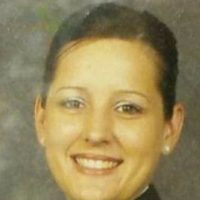
Stephanie Silva, LCSW
Licensed in North Carolina · 14 years in practice
Stephanie Silva is a licensed clinical social worker with 14 years of experience who helps people facing anxiety, stress, depression, relationship and intimacy concerns, and grief.
License and registration
- LCSW, North Carolina
- C009460 · expires April 2027
- LCSW, Florida
- SW20116 · expires March 2027
- NPI
- 1679957336 · national provider identifier
- Years in practice
- 14
- Languages
- English
Details are as listed on the therapist's public professional profile. You can check any license with the state board and any NPI with the national registry.
About Stephanie
Stephanie Silva is a licensed clinical social worker with 14 years of experience who helps people facing anxiety, stress, depression, relationship and intimacy concerns, and grief. She is based in Florida and offers services in English, including to international clients. Her style is warm and interactive, aimed at making hard conversations easier to manage.
Stephanie draws from several practical approaches to tailor care to each person. She uses techniques from cognitive behavioral therapy to notice and change unhelpful thinking patterns.
Background and approach
She also uses dialectical behavior therapy skills to help with emotional regulation and acceptance and commitment therapy to clarify values and guide meaningful action. Her background includes roles such as deployment case manager and emergency room social worker. That experience helped her learn how to handle crisis moments and coordinate with other agencies when people need extra support.
It also shaped her focus on clear, manageable steps rather than one-size-fits-all plans. Sessions with Stephanie are collaborative. She helps people set realistic goals and practices skills during and between meetings.
People who want practical strategies for coping, improving communication, or addressing life changes often find this approach helpful. Stephanie offers multiple ways to connect, including video, phone, live chat, and text messaging. She describes beginning therapy as a process and guides each person through matching goals to techniques.
Her aim is to help people move forward with clarity and steady support.
Focus areas and approaches
Everything Stephanie lists on their public professional profile, in their own terms.
- Stress, Anxiety
- Relationship issues
- Family conflicts
- Intimacy-related issues
- Depression
- LGBT
- Trauma and abuse
- Grief
- Parenting issues
- Anger management
- Self esteem
- Career difficulties
- Coping with life changes
- Coaching
- ADHD
- Aging and geriatric issues
- BDSM, kink, and alternative sex culture
- Blended family issues
- Caregiver issues and stress
- Communication problems
- Divorce and separation
- Domestic violence
- Family of origin issues
- Family problems
- Hospice and end-of-life counseling
- Veteran and Armed Forces Issues
- Money and financial issues
- Multicultural concerns
- Prejudice and discrimination
- Sexuality
- Traumatic brain injury
- Women's issues
- Workplace issues
- Young adult issues
Approaches Stephanie names
- Acceptance and Commitment Therapy (ACT)
- Client-Centered Therapy
- Cognitive Behavioral Therapy (CBT)
- Dialectical Behavior Therapy (DBT)
- Existential Therapy
- Motivational Interviewing
- Solution-Focused Therapy
Naming an approach is not evidence of training in it. This directory copies what each therapist lists and does not check training records.
Online support
Therapeutic approaches for online work and coping skills
Acceptance and Commitment Therapy (ACT) helps people name what matters to them and take steps in that direction despite difficult thoughts or feelings. It can be useful for anxiety, low mood, and life changes where values-based choices matter. Cognitive Behavioral Therapy (CBT) focuses on spotting thinking patterns that increase distress and practicing different behaviors to change outcomes. This is often helpful for anxiety, depression, and stress-related problems. Dialectical Behavior Therapy (DBT) teaches specific skills for regulating emotions, tolerating distress, and improving communication, which can be valuable for intense mood swings or relationship struggles.Finding the right approach is part of the work together. Stephanie will talk with each person about goals and preferences and then recommend techniques to try. The process is collaborative and can shift as needs change, with an emphasis on practical strategies and measurable steps.
Online therapy offers flexible ways to meet. Video calls allow fuller face-to-face interaction, while phone sessions can be easier when bandwidth is limited or when someone needs a shorter check-in. Live chat and text-based messaging support brief reflections, coaching between sessions, or ongoing skill practice. These options make it easier to fit therapy into busy lives and maintain momentum between meetings.
We will earn a commission if you sign up through our link, at no cost to you. It does not change what you pay or the order of the listings.
Questions people ask
What concerns does Stephanie help address?
She works with anxiety, stress, depression, relationship and intimacy issues, grief, parenting and self-esteem concerns, as well as trauma and abuse and LGBT-related topics.
What is her therapeutic style like?
Her approach is understanding and interactive, focusing on clear goals and skills people can practice between sessions.
How much clinical experience does she have?
Stephanie has 14 years of experience in roles including deployment case manager and emergency room social worker.
What are her credentials and where is she based?
She is a licensed clinical social worker (LCSW) holding NC LCSW and FL LCSW credentials and practices from Florida.
Can I work with her if I live outside the United States?
Sessions are offered to international clients and are conducted in English.
Which session formats does she use?
She offers video calls, phone sessions, live chat, and text-based messaging to fit different needs and schedules.
How is cost handled for sessions?
Cost varies by location and therapist availability; services use a subscription model that can be canceled at any time.
What are the steps to begin working with her?
To get started, select the Start Therapy button, complete a short matching questionnaire, and schedule sessions according to therapist availability.
More therapists in Florida
See allAmeenah Wright-Troutman
LCSW
Compassionate, practical support for life transitions
- Stress, Anxiety
- Grief
- Self esteem


Dr. Virginia Clark
LCSW
Experienced LCSW supporting life changes
- Stress, Anxiety
- Addictions
- Trauma and abuse
Carolyn Allen
LCSW
Compassionate practical support for everyday challenges
- Stress, Anxiety
- Self esteem
- Career

Is this your profile?
Ask us to correct details or take the page down.
Contact us