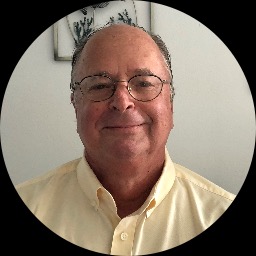
Stuart Marcus, LCSW
Licensed in Illinois · 35 years in practice
Stuart Marcus helps people manage stress, anxiety, relationship strain, family conflicts, trauma and abuse, depression, addictions, parenting challenges, anger, bipolar disorder, and ADHD.
License and registration
- LCSW, Illinois
- 149002046 · expires November 2027
- LCSW, Florida
- SW19916 · expires March 2027
- NPI
- 1073705133 · national provider identifier
- Years in practice
- 35
- Languages
- English
Details are as listed on the therapist's public professional profile. You can check any license with the state board and any NPI with the national registry.
About Stuart
Stuart Marcus helps people manage stress, anxiety, relationship strain, family conflicts, trauma and abuse, depression, addictions, parenting challenges, anger, bipolar disorder, and ADHD. He also addresses related concerns such as abandonment, attachment issues, adoption and foster care matters, caregiver stress, and communication problems.
Stuart is a licensed clinical social worker - LCSW - with practice licensed in Florida and Illinois and brings 35 years of experience to his work. He creates a calm, open space where clients can speak honestly.
Background and approach
Sessions focus on listening first, then figuring out practical steps that fit each person’s life. Stuart keeps language plain and avoids jargon, so parents and busy adults can follow the plan easily. His approach is collaborative.
He helps clients name the problems, try small changes, and track what works. For relationship or family concerns he helps individuals explore patterns, set boundaries, and improve communication. When addressing trauma, he moves at the client’s pace and focuses on safety and stability before deeper work.
For mood and anxiety concerns he uses structured conversation to build coping skills and daily routines that reduce distress. Stuart offers telephone, video, live chat, and text-based sessions to fit different schedules and needs. He supports international clients and works in English.
To begin, a short matching questionnaire and scheduling step connect people with his practice.
Focus areas and approaches
Everything Stuart lists on their public professional profile, in their own terms.
- Stress, Anxiety
- Relationship issues
- Family conflicts
- Trauma and abuse
- Depression
- Addictions
- Parenting issues
- Anger management
- Bipolar disorder
- ADHD
- Abandonment
- Adoption and foster care
- Aging and geriatric issues
- Antisocial personality
- Attachment issues
- Autism and Asperger Syndrome
- Avoidant personality
- Blended family issues
- Body image
- Caregiver issues and stress
- Codependency
- Commitment issues
- Communication problems
- Control issues
- Coping with natural or human-caused disaster
- Dependent personality
- Disruptive Mood Dysregulation Disorder (DMDD)
- Dissociation
- Divorce and separation
- Emptiness
- Family of origin issues
- Family problems
- Fatherhood issues
- First responder issues
- Forgiveness
- Guilt and shame
- Hoarding
- Impulsivity
- Intellectual disability
- Isolation / loneliness
- Jealousy
- Life purpose
- Men's issues
- Midlife crisis
- Veteran and Armed Forces Issues
- Money and financial issues
- Mood disorders
- Multicultural concerns
- Narcissism
- Obsessions, compulsions, and OCD
- Panic disorder and panic attacks
- Paranoia
- Personality disorders
- Phobias
- Postpartum depression
- Post-traumatic stress
- Prejudice and discrimination
- Process addiction (porn, exercise, gambling)
- Seasonal Affective Disorder (SAD)
- Self-harm
- Self-love
- Sexual assault and abuse
- Smoking / vaping cessation
- Social anxiety and phobia
- Trichotillomania
- Visually impaired
- Workplace issues
- Young adult issues
Online support
Approaches that guide online sessions
Stuart draws on evidence-based therapeutic techniques that focus on clear goals and practical steps. One common approach he uses helps people identify unhelpful patterns in thinking and behavior, then practices small changes that reduce anxiety and depression symptoms. This approach works well for stress, mood concerns, and everyday coping skills.For trauma-related concerns he emphasizes stabilizing and grounding techniques first, helping clients build safety and routines before addressing painful memories. That steady, paced work supports people dealing with abuse, loss, or disaster-related stress.
Finding the right approach is part of the work together. Stuart treats the choice of method as a collaboration and adjusts plans based on a person’s goals, needs, and comfort level. He’ll explain options, try different techniques, and check in regularly to see what helps.
Online therapy offers flexibility for clients with busy schedules or who travel. Video calls let the therapist and client see facial cues and practice communication skills. Phone sessions use less bandwidth and can be easier when a quick check-in is needed. Live chat and text-based messaging suit short updates, skill practice, and people who prefer writing over speaking. These formats make it easier to fit therapy into work, caregiving, or other commitments.
We will earn a commission if you sign up through our link, at no cost to you. It does not change what you pay or the order of the listings.
Questions people ask
What kinds of problems does Stuart address?
He helps people with stress, anxiety, depression, addictions, trauma and abuse, relationship and family conflicts, parenting strain, anger, bipolar disorder, and ADHD, plus related concerns like abandonment and attachment issues.
How would you describe his therapy style?
Stuart uses a straightforward, collaborative style that focuses on listening, naming problems, and trying practical steps tailored to each person’s life.
How much experience does he bring?
He has 35 years of professional experience working with a wide range of emotional and relationship concerns.
What are his credentials and where is he based?
He is a Licensed Clinical Social Worker - LCSW - licensed in Florida and Illinois and provides services from Florida.
Can sessions be conducted in other languages or internationally?
Sessions are offered in English and he accepts international clients.
What session formats are available?
Stuart meets by video calls, phone sessions, live chat, or text-based messaging to accommodate different schedules and preferences.
How does pricing work for sessions?
Cost varies with location and therapist availability, and sessions use a subscription model that can be canceled at any time.
How do I start therapy with him?
Click the Start Therapy button, complete a short matching questionnaire, and schedule sessions according to therapist availability.
More therapists in Florida
See allAmeenah Wright-Troutman
LCSW
Compassionate, practical support for life transitions
- Stress, Anxiety
- Grief
- Self esteem


Dr. Virginia Clark
LCSW
Experienced LCSW supporting life changes
- Stress, Anxiety
- Addictions
- Trauma and abuse
Carolyn Allen
LCSW
Compassionate practical support for everyday challenges
- Stress, Anxiety
- Self esteem
- Career

Is this your profile?
Ask us to correct details or take the page down.
Contact us