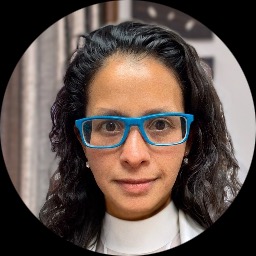
Monica Zepeda, LCSW
Licensed in Florida · 9 years in practice
Monica Zepeda is a Licensed Clinical Social Worker who has spent nine years working in the medical health field in Florida.
License and registration
- LCSW, Florida
- SW21167 · expires March 2027
- NPI
- 1245922475 · national provider identifier
- Years in practice
- 9
- Languages
- Spanish
Details are as listed on the therapist's public professional profile. You can check any license with the state board and any NPI with the national registry.
About Monica
Monica Zepeda is a Licensed Clinical Social Worker who has spent nine years working in the medical health field in Florida. She helps people who are feeling overwhelmed by stress, anxiety, grief, depression, or major life changes. Monica focuses on practical steps people can take to feel steadier and more capable in daily life.
Her approach treats the client as the expert on their own story. She listens for strengths people already have and helps them build on those skills.
Background and approach
Sessions are conversational and goal-oriented, with attention to what will make life more manageable between meetings. Monica has particular experience with family concerns, relationship struggles, self-esteem issues, and the challenges that come with adoption and foster care. She also works with people facing chronic illness, caregiver stress, aging and geriatric issues, and the emotional effects of cancer.
These areas shape how she frames problems and priorities in therapy. People who prefer a mix of practical tools and empathic listening often do well with her style. Monica offers support for communication problems, codependency, and life transitions like divorce or separation.
She also addresses concerns tied to avoidant or dependent personality patterns and feelings of emptiness. She provides services in English and Spanish and offers several online session formats. Monica aims to partner with each person to set clear, achievable goals and to adjust the pace as needed.
Focus areas and approaches
Everything Monica lists on their public professional profile, in their own terms.
- Stress, Anxiety
- Family conflicts
- Grief
- Depression
- Coping with life changes
- Relationship issues
- Self esteem
- Adoption and foster care
- Aging and geriatric issues
- Avoidant personality
- Blended family issues
- Cancer
- Caregiver issues and stress
- Chronic pain, illness, and disability
- Co-morbidity
- Codependency
- Commitment issues
- Communication problems
- Dependent personality
- Divorce and separation
- Domestic violence
- Emptiness
- Family of origin issues
- Family problems
- Fatherhood issues
- Fertility issues
- First responder issues
- Forgiveness
- Guilt and shame
- HIV / AIDS
- Hospice and end-of-life counseling
- Immigration issues
- Infidelity
- Intellectual disability
- Isolation / loneliness
- Jealousy
- Life purpose
- Mood disorders
- Multicultural concerns
- Postpartum depression
- Post-traumatic stress
- Pregnancy and childbirth
- Prejudice and discrimination
- Seasonal Affective Disorder (SAD)
- Self-love
- Sexuality
- Women's issues
- Workplace issues
Online support
How evidence-based techniques translate to online care
Many evidence-based therapeutic techniques focus on changing unhelpful patterns and building new coping skills. One common approach emphasizes identifying and shifting thought and behavior patterns that contribute to anxiety and low mood; it helps people practice new responses to stressful situations. Another helpful method focuses on grief and loss work by creating space to process emotions and develop routines that support daily functioning during transitions. These approaches suit concerns like depression, anxiety, relationship struggles, and caregiver stress.Finding the right approach is part of the work together. The therapist will talk with each person about their goals, preferences, and what has or hasn’t helped before. Together they decide which methods to try and adjust the plan as progress is made in therapy.
Online sessions are offered as video calls, phone appointments, live chat, or text-based messaging to fit different needs. Video lets people read facial cues and have a fuller conversation. Phone sessions are useful when bandwidth is limited or when someone prefers not to be on camera. Live chat and messaging can work for shorter check-ins, between-session support, or when scheduling quick conversations is important. These options make it easier to keep therapy part of a busy life.
We will earn a commission if you sign up through our link, at no cost to you. It does not change what you pay or the order of the listings.
Questions people ask
What concerns does Monica commonly help with?
She helps people coping with stress, anxiety, grief, depression, relationship and family concerns, self-esteem issues, and life transitions.
What is her therapeutic style like?
Her style is conversational and goal-focused, combining listening with practical skills people can use between sessions.
How much clinical experience does she have?
Monica has nine years of professional experience working in the medical health field.
What credentials and location are listed?
She is a Licensed Clinical Social Worker, LCSW, practicing in Florida.
Which languages are offered for sessions?
Sessions are offered in English and Spanish.
What session formats are available?
Sessions can be scheduled as video calls, phone sessions, live chat, or text-based messaging.
How is cost handled for therapy?
Cost varies by location and therapist availability; sessions use a subscription that can be canceled at any time.
How do I begin working with her?
Use the Start Therapy button, complete a short matching questionnaire, and schedule according to therapist availability.
More therapists in Florida
See allAmeenah Wright-Troutman
LCSW
Compassionate, practical support for life transitions
- Stress, Anxiety
- Grief
- Self esteem

Dr. Virginia Clark
LCSW
Experienced LCSW supporting life changes
- Stress, Anxiety
- Addictions
- Trauma and abuse
Carolyn Allen
LCSW
Compassionate practical support for everyday challenges
- Stress, Anxiety
- Self esteem
- Career

Is this your profile?
Ask us to correct details or take the page down.
Contact us