
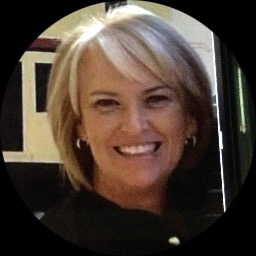
Stacy Park, LCSW
Licensed in Tennessee · 34 years in practice
Stacy Park is a licensed clinical social worker with 34 years of experience based in Tennessee.
License and registration
- LCSW, Tennessee
- 1219 · expires January 2027
- NPI
- 1326115916 · national provider identifier
- Years in practice
- 34
- Languages
- English
Details are as listed on the therapist's public professional profile. You can check any license with the state board and any NPI with the national registry.
About Stacy
Stacy Park is a licensed clinical social worker with 34 years of experience based in Tennessee. She focuses on helping people facing stress, anxiety, depression, grief, relationship and family struggles, and those coping with life changes or addiction.
Stacy works with practical issues like sleep and eating concerns, parenting challenges, anger, self-esteem, and career questions, as well as mood disorders and trauma-related problems. She has worked across settings from hospital crisis care to community mental health and longer-term recovery programs.
Background and approach
That range taught her to meet people where they are and listen without judgment. Sessions are conversational and direct, with attention to each person’s story and strengths. Stacy blends client-centered listening with cognitive-behavioral tools and motivational techniques.
She also uses dialectical behavior and mindfulness strategies when they fit a person’s needs. Her style is positive, straightforward, and at times lightly humorous to keep hard work more bearable. In practical terms she tailors sessions to individual goals and adjusts approaches as progress is made.
She says answers often come from the client, and her role is to reflect, guide, and offer tools that work in day-to-day life. Stacy checks messages regularly during the week and aims to respond promptly while balancing time with other clients. Starting therapy can feel intimidating, and Stacy emphasizes respect, sensitivity, and compassion throughout the process.
She encourages people who are ready to make changes to take the first step toward support and growth.
Focus areas and approaches
Everything Stacy lists on their public professional profile, in their own terms.
- Stress, Anxiety
- Relationship issues
- Grief
- Depression
- Coping with life changes
- Addictions
- Family conflicts
- Trauma and abuse
- Intimacy-related issues
- Eating disorders
- Sleeping disorders
- Parenting issues
- Anger management
- Self esteem
- Career difficulties
- Bipolar disorder
- Coaching
- Compassion fatigue
- ADHD
- Blended family issues
- Communication problems
- Divorce and separation
- Drug and alcohol addiction
- Family of origin issues
- Family problems
- Fertility issues
- Forgiveness
- Guilt and shame
- Isolation / loneliness
- Life purpose
- Midlife crisis
- Mood disorders
- Post-traumatic stress
- Seasonal Affective Disorder (SAD)
- Self-love
- Social anxiety and phobia
- Women's issues
Approaches Stacy names
- Client-Centered Therapy
- Cognitive Behavioral Therapy (CBT)
- Dialectical Behavior Therapy (DBT)
- Mindfulness Therapy
- Motivational Interviewing
- Solution-Focused Therapy
- Trauma-Focused Therapy
Naming an approach is not evidence of training in it. This directory copies what each therapist lists and does not check training records.
Online support
Therapeutic options and online care
Stacy often draws on client-centered therapy and cognitive behavioral therapy in online work. Client-centered therapy focuses on listening closely and reflecting what matters to the person so they feel heard and can find their own answers. Cognitive behavioral therapy looks at how thoughts, feelings, and actions connect and teaches practical strategies to change unhelpful patterns.She also uses elements of dialectical behavior therapy for emotion regulation and interpersonal skills when useful. DBT-style skills help people manage strong emotions, improve communication, and tolerate distress in healthier ways. The choice of approaches is collaborative and based on each person’s goals and preferences rather than a fixed plan.
Online sessions are offered by video call, phone, live chat, or text-based messaging to make therapy more flexible. Video is useful for in-depth work and face-to-face conversations. Phone sessions can fit a lunch break or require less bandwidth. Live chat and text messaging work well for brief check-ins, paced coaching, or when writing helps clarify feelings. These options help people fit therapy into busy lives and keep continuity when travel or schedule changes occur.
We will earn a commission if you sign up through our link, at no cost to you. It does not change what you pay or the order of the listings.
Questions people ask
What concerns does Stacy commonly address?
She works with stress, anxiety, depression, grief, relationship and family issues, addictions, trauma and a range of mood and life-transition concerns.
What is Stacy's therapy style like?
Her approach is conversational, direct, and often pragmatic, combining active listening with hands-on tools and occasional light humor.
How much clinical experience does she have?
Stacy has 34 years of experience working in settings from hospital crisis care to community mental health and recovery programs.
What credentials and region are listed?
She is a Licensed Clinical Social Worker, Tennessee LCSW, and practices from Tennessee.
Which languages are supported and can international clients join?
Sessions are offered in English and international clients are not currently accepted.
What session formats are available?
Stacy offers video calls, phone sessions, live chat, and text-based messaging to fit different needs and schedules.
How does payment and cost work?
Cost varies with location and therapist availability; sessions use a subscription that can be canceled at any time.
How do I begin working with her?
Select the Start Therapy button, complete a short matching questionnaire, and schedule according to therapist availability.
More therapists in Tennessee
See allBetty Burns
LCSW
Compassionate social worker focused on real-life change
- Relationship
- Trauma and abuse
- ADHD
Bradley Clayton
LCSW
Calm, practical support for daily struggles
- Stress, Anxiety
- Trauma and abuse
- Grief

Is this your profile?
Ask us to correct details or take the page down.
Contact us