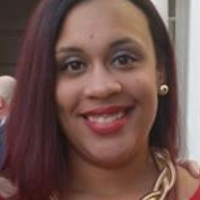
Tiana Burdick, LCSW
Licensed in Connecticut · 9 years in practice
Tiana Burdick is a licensed clinical social worker who helps people who feel stuck or overwhelmed by life changes.
License and registration
- LCSW, Connecticut
- 010293 · expires March 2027
- NPI
- 1417302225 · national provider identifier
- Years in practice
- 9
- Languages
- English
Details are as listed on the therapist's public professional profile. You can check any license with the state board and any NPI with the national registry.
About Tiana
Tiana Burdick is a licensed clinical social worker who helps people who feel stuck or overwhelmed by life changes. She speaks plainly and focuses on practical steps you can try right away. Tiana works from Connecticut and brings nine years of clinical experience to sessions.
She spent years on mobile crisis teams, responding when people faced sudden, intense problems. That work gave her a clear view of how stress and crisis affect daily life and relationships.
Background and approach
It also shaped her interest in helping people regain stability after big disruptions. Tiana has a Master of Social Work from Southern Connecticut State University and also attended the University of Connecticut. Her background includes over three years supporting people on the autism spectrum, and she identifies as neurodivergent herself.
That perspective guides how she adapts interventions and communication to fit each person. In sessions she blends practical tools with a person-centered approach. She uses cognitive-behavioral strategies and mindfulness skills to help with overwhelming thoughts and strong emotions.
She also draws on DBT skills and relationship-focused ideas when communication or intimacy are at issue. People come to her for help with anxiety, depression, trauma, ADHD, grief, parenting stress, and issues around identity and relationships. Tiana aims to create a collaborative space where goals are realistic and progress is measured in small, useful steps.
Focus areas and approaches
Everything Tiana lists on their public professional profile, in their own terms.
- Stress, Anxiety
- Trauma and abuse
- Bipolar disorder
- Depression
- Coping with life changes
- LGBT
- Relationship issues
- Family conflicts
- Grief
- Intimacy-related issues
- Eating disorders
- Parenting issues
- Anger management
- Self esteem
- Career difficulties
- Compassion fatigue
- ADHD
- Antisocial personality
- Autism and Asperger Syndrome
- Avoidant personality
- Blended family issues
- Caregiver issues and stress
- Codependency
- Communication problems
- Dependent personality
- Disruptive Mood Dysregulation Disorder (DMDD)
- Dissociation
- Domestic violence
- Family problems
- First responder issues
- Guilt and shame
- Impulsivity
- Midlife crisis
- Mood disorders
- Multicultural concerns
- Narcissism
- Obsessions, compulsions, and OCD
- Personality disorders
- Postpartum depression
- Post-traumatic stress
- Pregnancy and childbirth
- Prejudice and discrimination
- Sexual assault and abuse
- Trichotillomania
- Women's issues
- Young adult issues
Approaches Tiana names
- Client-Centered Therapy
- Cognitive Behavioral Therapy (CBT)
- Dialectical Behavior Therapy (DBT)
- Gottman Method
- Mindfulness Therapy
- Motivational Interviewing
- Solution-Focused Therapy
- Trauma-Focused Therapy
Naming an approach is not evidence of training in it. This directory copies what each therapist lists and does not check training records.
Online support
How these approaches work online
Tiana often uses cognitive behavioral therapy, which helps people identify unhelpful thought patterns and try new behaviors to reduce anxiety or low mood. She also uses dialectical behavior therapy skills to teach emotion regulation, distress tolerance, and clearer communication when emotions run high.Client-centered work is part of her practice too, which means sessions focus on what matters to the person in front of her. She will collaborate with each client to choose which methods to try based on their goals and comfort level, adjusting the plan as progress is made.
Online formats include video calls, phone sessions, live chat, and text-based messaging. Video is useful when visual cues and a fuller conversation matter. Phone sessions can be easier when bandwidth is limited or when someone prefers not to be on camera. Live chat and messaging are helpful for brief check-ins, working through small steps between sessions, or fitting therapy into a busy day. These options make it easier to fit therapy into work, school, or caregiving schedules while keeping the focus on practical skills and steady progress.
We will earn a commission if you sign up through our link, at no cost to you. It does not change what you pay or the order of the listings.
Questions people ask
What concerns does this therapist address?
She helps people with stress, anxiety, depression, trauma, bipolar concerns, ADHD, grief, eating and intimacy-related issues, and career or parenting strain.
How would you describe her therapy style?
Her approach is practical and person-centered, using skills work and mindful techniques to manage thoughts and emotions while keeping sessions collaborative.
What is her clinical background?
She has nine years of clinical experience, including mobile crisis work and several years supporting people on the autism spectrum.
What are her credentials and where is she located?
She is a CT LCSW, a licensed clinical social worker practicing from Connecticut.
Which languages are supported for sessions?
Sessions are offered in English.
What session formats are available?
She offers video calls, phone sessions, live chat, and text-based messaging to suit different needs and schedules.
How is cost handled for sessions?
Cost varies with location and therapist availability; sessions use a subscription that can be canceled at any time.
How do I begin working with this therapist?
Use the Start Therapy button, complete a short matching questionnaire, and then schedule according to the therapist's availability.
More therapists in Connecticut
See allNancy Fawcett
LCSW
Compassionate, practical support for stress and trauma
- Stress, Anxiety
- Relationship
- Family


Deborah Radcliffe
LCSW
Helping people navigate intense feelings
- Stress, Anxiety
- Addictions
- Trauma and abuse

Alfred Mayer
LCSW
Compassionate, practical therapy for everyday struggles
- Stress, Anxiety
- Relationship
- Grief
Is this your profile?
Ask us to correct details or take the page down.
Contact us