
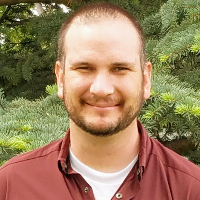
Deanna Mullins, LCSW
Licensed in Idaho · 20 years in practice
Deanna Mullins is a licensed clinical social worker who helps people manage stress, anxiety, trauma, grief, and depression.
License and registration
- LCSW, Idaho
- LCSW-35099 · expires February 2028
- LCSW, Oregon
- L12028 · expires March 2026
- NPI
- 1902203755 · national provider identifier
- Years in practice
- 20
- Languages
- English
Details are as listed on the therapist's public professional profile. You can check any license with the state board and any NPI with the national registry.
About Deanna
Deanna Mullins is a licensed clinical social worker who helps people manage stress, anxiety, trauma, grief, and depression. She offers practical support for life changes, addictions, anger, self-esteem, and issues related to caregiving or chronic illness. Her work also covers concerns like ADHD, compassion fatigue, and adjustments tied to aging or serious illness.
She keeps sessions simple and direct. Conversations focus on what is happening now and what steps feel doable.
Background and approach
She aims to create an open, nonjudgmental atmosphere where clients can say what’s on their mind without feeling criticized. Her approach draws on several evidence-informed methods. She uses acceptance and commitment ideas to clarify values and take small actions, cognitive behavioral techniques to spot and change unhelpful thinking, and mindfulness practices to build steadiness.
She also uses EMDR for processing traumatic memories when that fits a person’s goals. Clients who choose her can expect a collaborative process. She listens first, helps set clear goals, and adjusts strategies based on how things are going.
Sessions may include practical skills, short exercises, and problem-focused conversations to make day-to-day life easier. Deanna has two decades of professional experience and holds the Licensed Clinical Social Worker credential, LCSW. She practices in Idaho and provides online sessions by video, phone, chat, or text.
Sessions are offered in English and are arranged through a subscription that can be canceled at any time.
Focus areas and approaches
Everything Deanna lists on their public professional profile, in their own terms.
- Stress, Anxiety
- Trauma and abuse
- Grief
- Depression
- Coping with life changes
- Addictions
- LGBT
- Relationship issues
- Family conflicts
- Eating disorders
- Parenting issues
- Anger management
- Self esteem
- Bipolar disorder
- Coaching
- Compassion fatigue
- ADHD
- Aging and geriatric issues
- Cancer
- Caregiver issues and stress
- Chronic pain, illness, and disability
- Divorce and separation
- Emptiness
- First responder issues
- Forgiveness
- Guilt and shame
- Hospice and end-of-life counseling
- Impulsivity
- Infidelity
- Life purpose
- Midlife crisis
- Veteran and Armed Forces Issues
- Mood disorders
- Panic disorder and panic attacks
- Postpartum depression
- Post-traumatic stress
- Pregnancy and childbirth
- Seasonal Affective Disorder (SAD)
- Self-harm
- Self-love
- Sexual assault and abuse
- Social anxiety and phobia
- Women's issues
- Workplace issues
Approaches Deanna names
- Acceptance and Commitment Therapy (ACT)
- Cognitive Behavioral Therapy (CBT)
- Eye Movement Desensitization and Reprocessing (EMDR)
- Mindfulness Therapy
- Motivational Interviewing
- Solution-Focused Therapy
- Trauma-Focused Therapy
Naming an approach is not evidence of training in it. This directory copies what each therapist lists and does not check training records.
Online support
Approaches used in online therapy and what they do
Deanna commonly blends cognitive behavioral therapy and EMDR to address both current patterns and painful memories. CBT is a hands-on method that helps people notice thinking and behavior patterns, then try small changes to reduce distress and improve daily routines. EMDR focuses on processing traumatic memories so they feel less overwhelming and can stop triggering strong reactions.She also uses elements of Acceptance and Commitment Therapy, which helps people name what matters to them and take small committed steps toward those values despite difficult thoughts or feelings. Choosing the right approach is a joint process. The therapist will listen to the person's goals, try methods that fit those needs, and adapt strategies over time if something isn’t working.
Online sessions are offered by video, phone, live chat, or text-based messaging to make therapy more flexible. Video calls let people work face-to-face without traveling. Phone sessions can be a good choice when bandwidth is limited or when someone prefers not to be on camera. Live chat and text work well for brief check-ins, ongoing coaching-style support, or when messaging fits a busy schedule. These options make it easier to fit therapy into work, caregiving, or medical routines.
We will earn a commission if you sign up through our link, at no cost to you. It does not change what you pay or the order of the listings.
Questions people ask
What concerns does Deanna commonly address?
She supports people with stress, anxiety, trauma and abuse, grief, depression, addictions, ADHD, and related life changes.
What is her therapeutic style like?
She uses a straightforward, collaborative style that focuses on practical steps and clear goals. Sessions emphasize openness and nonjudgmental listening.
How long has she been practicing?
She brings 20 years of professional experience working in behavioral health and social work settings.
Where is she licensed and based?
She holds a Licensed Clinical Social Worker credential and practices in Idaho, with licensing also documented in Oregon.
Are sessions offered in other languages or internationally?
Sessions are offered in English and she is not accepting international clients.
What session formats are available?
She provides video calls, phone sessions, live chat, and text-based messaging to suit different needs and schedules.
How are sessions paid for and what does it cost?
Cost varies with location and therapist availability; sessions use a subscription model that can be canceled at any time.
How do I begin working with her?
Start by selecting the Start Therapy button, complete a short matching questionnaire, and then schedule sessions according to therapist availability.
More therapists in Idaho
See allRachel Webster
LCSW
Practical support for stress and life changes
- Stress, Anxiety
- Family
- Trauma and abuse

Robert Payne
LCSW
Experienced LCSW focusing on relationships and resilience
- Stress, Anxiety
- Relationship
- Trauma and abuse

Matthew Christensen
LCSW
Calm, practical therapy focused on real-life change
- Stress, Anxiety
- Addictions
- Trauma and abuse

Is this your profile?
Ask us to correct details or take the page down.
Contact us