
Adalheidur (Ally) Dagbjartsdottir, LCSW, LSCSW
Licensed in Missouri · 5 years in practice
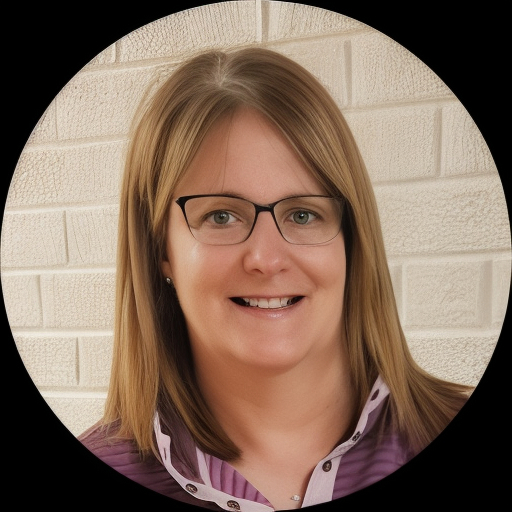
Adalheidur (Ally) Dagbjartsdottir greets prospective clients with a calm, straightforward approach.
License and registration
- LCSW, Missouri
- 2020016843 · expires September 2027
- LSCSW, Kansas
- LSCSW 05484 · expires June 2027
- NPI
- 1285010421 · national provider identifier
- Years in practice
- 5
- Languages
- English, Icelandic
Details are as listed on the therapist's public professional profile. You can check any license with the state board and any NPI with the national registry.
About Adalheidur
Adalheidur (Ally) Dagbjartsdottir greets prospective clients with a calm, straightforward approach. She aims to help people who feel overwhelmed by stress, anxiety, grief, or relationship concerns. Ally presents therapy as a partnership where she listens and helps clients try practical steps to feel better.
Ally works from a strengths-based perspective. She looks for practical ways to connect a person's values with everyday choices. Sessions are conversational and focused on skills you can try between meetings.
Background and approach
She uses plain language and keeps goals clear and concrete. Her background includes five years as a clinician and earlier social work experience. Ally holds LCSW and LSCSW credentials and practices in Kansas.
She offers services in English and Icelandic and draws on broad experience navigating trauma, mood concerns, parenting strain, and identity-related stress. Her approach blends client-centered listening with tools from cognitive behavioral and dialectical behavior therapies. Ally also brings mindfulness and motivational interviewing into sessions when useful.
That mix is meant to help with pain from past events, intense emotions, relationship friction, and day-to-day coping. People working with Ally can expect a collaborative process. She helps identify small, achievable steps and tracks progress across sessions.
Whether someone needs help with focus, mood swings, or rebuilding after loss, Ally aims to make therapy practical and understandable.
Focus areas and approaches
Everything Adalheidur lists on their public professional profile, in their own terms.
- Stress, Anxiety
- Trauma and abuse
- Anger management
- Self esteem
- Depression
- LGBT
- Relationship issues
- Family conflicts
- Grief
- Intimacy-related issues
- Parenting issues
- Bipolar disorder
- Coping with life changes
- Compassion fatigue
- ADHD
- Attachment issues
- Autism and Asperger Syndrome
- Avoidant personality
- BDSM, kink, and alternative sex culture
- Blended family issues
- Body image
- Caregiver issues and stress
- Chronic pain, illness, and disability
- Co-morbidity
- Codependency
- Commitment issues
- Communication problems
- Disruptive Mood Dysregulation Disorder (DMDD)
- Emptiness
- Family of origin issues
- Family problems
- Forgiveness
- Guilt and shame
- Impulsivity
- Infidelity
- Intellectual disability
- Isolation / loneliness
- Jealousy
- Life purpose
- Mood disorders
- Obsessions, compulsions, and OCD
- Panic disorder and panic attacks
- Phobias
- Postpartum depression
- Post-traumatic stress
- Pregnancy and childbirth
- Self-harm
- Self-love
- Sexuality
- Social anxiety and phobia
- Trichotillomania
- Women's issues
- Workplace issues
- Young adult issues
Approaches Adalheidur names
- Client-Centered Therapy
- Cognitive Behavioral Therapy (CBT)
- Dialectical Behavior Therapy (DBT)
- Mindfulness Therapy
- Motivational Interviewing
- Narrative Therapy
- Psychodynamic Therapy
- Solution-Focused Therapy
- Trauma-Focused Therapy
Naming an approach is not evidence of training in it. This directory copies what each therapist lists and does not check training records.
Online support
Approaches that translate well to online work
Client-centered therapy focuses on understanding each person's perspective and building goals together. In practice this means the therapist listens deeply, reflects feelings back, and helps clients notice strengths to use in everyday life. Cognitive behavioral therapy, or CBT, breaks down patterns of thinking and behavior into steps you can change. That makes it easy to set homework, try small experiments between sessions, and track results over time. Dialectical behavior therapy, or DBT, teaches emotion regulation and coping skills for intense feelings and relationship stress, often through short practice exercises and step-by-step skill learning.Finding the right mix of these approaches is part of the work. Ally will collaborate with each person to choose methods that match their needs, goals, and preferences. Together they check what helps and adjust the plan as progress is made.
Online therapy offers flexible ways to keep moving forward. Video calls are useful for face-to-face conversation and full discussion of feelings. Phone sessions work well when bandwidth is limited or a shorter check-in fits a break at work. Live chat or text-based messaging can support brief check-ins, homework feedback, and ongoing encouragement between scheduled sessions. These options help make regular care more manageable around busy lives.
We will earn a commission if you sign up through our link, at no cost to you. It does not change what you pay or the order of the listings.
Questions people ask
What concerns does Ally commonly address?
She helps people facing stress, anxiety, depression, trauma and abuse, grief, relationship and intimacy-related issues, parenting strain, ADHD, bipolar mood concerns, and compassion fatigue.
What is her therapeutic style like?
She practices a collaborative, strengths-based style with practical skills and clear goals. Sessions mix listening with hands-on tools clients can try between meetings.
How much clinical experience does she have?
Ally has five years of experience as a clinician, plus earlier social work work that shaped her perspective on multiple systems and family dynamics.
What credentials and where does she practice?
She holds LCSW and LSCSW credentials and practices in Kansas.
Which languages are offered for sessions?
Sessions are offered in English and Icelandic.
What session formats are available?
Therapy can be done by video calls, phone sessions, live chat, or text-based messaging to fit different schedules and needs.
How does billing and cost work?
Cost varies with location and therapist availability; sessions use a subscription that can be canceled at any time.
How do I begin working with her?
Choose the Start Therapy button, complete a short matching questionnaire, and schedule sessions according to the therapist's availability.
More therapists in Kansas
See allLauren Moret-Glass
LSCSW, LCSW
Practical, respectful therapy for life changes
- Stress, Anxiety
- Relationship
- Trauma and abuse

Kimberly Johnson
LSCSW, LCSW
Practical support for stress and life changes
- Stress, Anxiety
- Parenting
- Self esteem
D'Ambra Ramsey
LCSW, LSCSW
Warm, practical therapy for everyday challenges
- Stress, Anxiety
- Relationship
- Intimacy-related issues

Jenny Infanger
LCSW
Mindful, practical therapy for everyday struggles
- Stress, Anxiety
- Relationship
- Trauma and abuse

Is this your profile?
Ask us to correct details or take the page down.
Contact us