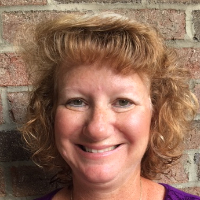
Stephanie Bigham, LCSW
Licensed in North Carolina · 20 years in practice
Stephanie Bigham uses mindfulness and acceptance-based cognitive behavioral methods to help people notice thoughts and build practical coping skills.
License and registration
- LCSW, North Carolina
- C005409 · expires August 2026
- NPI
- 1942851811 · national provider identifier
- Years in practice
- 20
- Languages
- English
Details are as listed on the therapist's public professional profile. You can check any license with the state board and any NPI with the national registry.
About Stephanie
Stephanie Bigham uses mindfulness and acceptance-based cognitive behavioral methods to help people notice thoughts and build practical coping skills. She is a Licensed Clinical Social Worker, LCSW, practicing in North Carolina with twenty years of experience. Stephanie speaks plainly and asks for active participation so people can try things between sessions and see what helps.
She helps people track thinking patterns that contribute to anxiety, depression, stress, and relationship strain.
Background and approach
Sessions often include short exercises and homework to practice new skills outside the appointment. Stephanie emphasizes learning as part of therapy and uses psychoeducation to make ideas easy to apply in daily life.
Her background includes work in a variety of settings, such as a mental health clinic for people with developmental delays, a hospital newborn intensive care unit, a respite program, and a classroom. She also spent time as a full-time stay-at-home parent and as a substitute teacher for kindergarten through fifth grade, which informs her practical perspective on family and parenting concerns.
Stephanie earned a Bachelor of Arts in sociology with minors in psychology and education from the University of Florida and a Master of Social Work from Florida International University. In addition, she is a Supreme Court Certified Family Mediator, which supports her work around communication and conflict issues.
In sessions she focuses on problems like stress, anxiety, parenting and family conflict, relationship and divorce issues, grief and loss, mood disorders, and career-related concerns. Her style is collaborative and goal-oriented, helping people find alternative plans when an initial approach doesn’t fit. She invites people to try different strategies and to treat therapy as a process of small steps toward change.
Focus areas and approaches
Everything Stephanie lists on their public professional profile, in their own terms.
- Stress, Anxiety
- Relationship issues
- Family conflicts
- Parenting issues
- Self esteem
- LGBT
- Trauma and abuse
- Grief
- Intimacy-related issues
- Sleeping disorders
- Anger management
- Career difficulties
- Bipolar disorder
- Depression
- Coping with life changes
- Coaching
- ADHD
- Adoption and foster care
- Blended family issues
- Caregiver issues and stress
- Communication problems
- Control issues
- Coping with natural or human-caused disaster
- Divorce and separation
- Family problems
- First responder issues
- Forgiveness
- Guilt and shame
- Infidelity
- Isolation / loneliness
- Life purpose
- Mood disorders
- Panic disorder and panic attacks
- Pregnancy and childbirth
- Seasonal Affective Disorder (SAD)
- Self-love
- Workplace issues
- Young adult issues
Approaches Stephanie names
- Acceptance and Commitment Therapy (ACT)
- Cognitive Behavioral Therapy (CBT)
- Dialectical Behavior Therapy (DBT)
- Mindfulness Therapy
- Narrative Therapy
- Solution-Focused Therapy
Naming an approach is not evidence of training in it. This directory copies what each therapist lists and does not check training records.
Online support
How therapy approaches translate to online care
Acceptance and Commitment Therapy (ACT) focuses on noticing thoughts and values, then taking actions that match what matters most. It can help with anxiety, depression, and making choices during life changes. Cognitive Behavioral Therapy (CBT) targets unhelpful thinking patterns and tries different behaviors to reduce symptoms and improve daily functioning. It is often used for stress, mood issues, and sleep problems. Dialectical Behavior Therapy (DBT) teaches emotion regulation, distress tolerance, and interpersonal skills that help people manage intense feelings and strengthen relationships.Choosing the right approach is a team effort. The therapist will work with clients to identify goals, try methods that fit those goals, and adjust techniques over time. Early sessions are used to find what feels helpful and to set realistic, practical steps together.
Online formats offer practical flexibility. Video calls are useful for full conversations and face-to-face interaction, phone sessions work when bandwidth is limited, live chat allows brief check-ins, and text-based messaging supports ongoing coaching and reminders between sessions. These options make it easier to fit therapy into busy schedules, manage short work breaks, or maintain contact when in-person visits are difficult.
We will earn a commission if you sign up through our link, at no cost to you. It does not change what you pay or the order of the listings.
Questions people ask
What kinds of issues does she address?
She works with stress, anxiety, depression, relationship and family conflict, parenting concerns, grief, mood disorders, career difficulties, and related issues such as ADHD and trauma.
What is her therapeutic style?
She uses mindfulness and acceptance-based cognitive behavioral methods with practical exercises and homework to build coping skills and self-awareness.
How much experience does she have?
Stephanie has twenty years of clinical experience across hospital, clinic, respite, classroom, and independent practice settings.
Where is she licensed and located?
She is a Licensed Clinical Social Worker, LCSW, licensed in North Carolina and works with clients in that state.
Which languages are supported for sessions?
Sessions are offered in English.
What session formats are available?
Sessions can be conducted by video calls, phone sessions, live chat, or text-based messaging.
How are costs handled?
Cost varies with location and therapist availability; sessions use a subscription that can be canceled at any time.
How do I start working with her?
Choose the Start Therapy button, complete a short matching questionnaire, and schedule a session according to the therapist's availability.
More therapists in North Carolina
See allRobert Lindsay
LCSW
Forward-focused therapist for practical change
- Stress, Anxiety
- Relationship
- Family

La Kevia Moore
LCSW
Practical, evidence-based support for stress and trauma
- Stress, Anxiety
- Trauma and abuse
- Self esteem

Aimee Campbell Culler
LCSW
Experienced LCSW providing steady support
- Stress, Anxiety
- Addictions
- Relationship

Angela Greene-Junior
LCSW, LISW-CP
Compassionate LCSW focused on practical change
- Stress, Anxiety
- Addictions
- Relationship
Is this your profile?
Ask us to correct details or take the page down.
Contact us