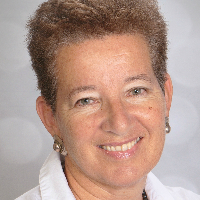
Alison Solomon, LCSW
Licensed in Florida · 29 years in practice
Alison Solomon helps people dealing with stress, anxiety, relationships, self-esteem, grief, and life changes.
License and registration
- LCSW, Florida
- SW11482 · expires March 2027
- LCSW, Delaware
- Q1-0012576 · expires January 2027
- NPI
- 1174850770 · national provider identifier
- Years in practice
- 29
- Languages
- English, Hebrew
Details are as listed on the therapist's public professional profile. You can check any license with the state board and any NPI with the national registry.
About Alison
Alison Solomon helps people dealing with stress, anxiety, relationships, self-esteem, grief, and life changes. She also supports those facing trauma, compassion fatigue, addiction, eating and sleeping struggles, parenting strain, and mood concerns like depression and bipolar. Alison is a licensed clinical social worker with many years of practice and speaks English and Hebrew.
She keeps sessions straightforward and practical. Conversations focus on what is happening now and on small steps that make daily life easier.
Background and approach
She aims to be direct and caring while avoiding judgment. Clients can expect clear feedback and gentle challenge when it helps. Her background spans nearly three decades as a clinician in Delaware and beyond.
That experience includes working with people who feel different because of sexuality, physical ability, ethnicity, or other identities. She has also worked with families of Holocaust survivors and with people navigating complex family or partner issues. Alison draws on several approaches to shape therapy.
She uses client-centered ways to follow the person’s lead, emotion-focused work to attend to bonds and feelings, and DBT-informed strategies for managing strong emotions. She also pulls from motivational interviewing and psychodynamic ideas when those fit the situation. Sessions are conversational and goal-oriented.
Together, Alison and the person in therapy set practical targets, try tools between visits, and review what helps. Her aim is to walk alongside people as they learn about themselves and change how they relate to the world.
Focus areas and approaches
Everything Alison lists on their public professional profile, in their own terms.
- Stress, Anxiety
- Relationship issues
- Self esteem
- Coping with life changes
- Compassion fatigue
- Addictions
- LGBT
- Family conflicts
- Trauma and abuse
- Grief
- Intimacy-related issues
- Eating disorders
- Sleeping disorders
- Parenting issues
- Anger management
- Bipolar disorder
- Depression
- ADHD
- Aging and geriatric issues
- Avoidant personality
- Blended family issues
- Caregiver issues and stress
- Codependency
- Commitment issues
- Communication problems
- Control issues
- Coping with natural or human-caused disaster
- Dependent personality
- Divorce and separation
- Family of origin issues
- Family problems
- Fertility issues
- Forgiveness
- Gender dysphoria
- Guilt and shame
- Immigration issues
- Impulsivity
- Isolation / loneliness
- Life purpose
- Midlife crisis
- Veteran and Armed Forces Issues
- Mood disorders
- Multicultural concerns
- Personality disorders
- Post-traumatic stress
- Prejudice and discrimination
- Seasonal Affective Disorder (SAD)
- Self-love
- Sexual assault and abuse
- Sexuality
- Social anxiety and phobia
- Women's issues
- Workplace issues
Approaches Alison names
- Client-Centered Therapy
- Dialectical Behavior Therapy (DBT)
- Emotionally-Focused Therapy (EFT)
- Motivational Interviewing
- Psychodynamic Therapy
- Solution-Focused Therapy
- Trauma-Focused Therapy
Naming an approach is not evidence of training in it. This directory copies what each therapist lists and does not check training records.
Online support
Therapeutic approaches and how they translate online
Alison uses client-centered work to follow what matters most to the person in session, offering listening and reflection so goals come from the client's own priorities. Dialectical Behavior Therapy, or DBT, provides practical skills for managing intense emotions and improving relationships through steady practice and coaching. Emotionally-Focused Therapy helps people name and change patterns in close relationships by focusing on feelings and attachment needs.Finding the right approach is part of the work together. Alison will discuss options and help decide what fits a person's goals, needs, and preferences. That decision is collaborative and can shift as progress is made.
Online formats include video calls, phone sessions, live chat, and text-based messaging to fit different needs. Video is useful for face-to-face interaction and richer verbal and nonverbal work. Phone sessions can be simpler when bandwidth is limited or a calmer audio check-in is needed. Live chat and messaging are handy for brief updates, coaching between visits, or when a written reflection feels easier. These options give flexibility to fit therapy into daily life and sustain steady progress.
We will earn a commission if you sign up through our link, at no cost to you. It does not change what you pay or the order of the listings.
Questions people ask
What concerns does Alison address?
She supports people with stress, anxiety, depression, grief, trauma, relationship and intimacy issues, addictions, eating and sleeping problems, parenting strain, and mood concerns such as bipolar and ADHD.
How would you describe her therapy style?
Sessions are direct, caring, and nonjudgmental. The approach focuses on clear feedback, practical steps, and emotional understanding.
What is her professional background?
She has 29 years of experience as a clinician and has worked with people from varied backgrounds, including those who feel different because of sexuality, ability, or ethnicity, and families of Holocaust survivors.
Where does she practice and what are her credentials?
She works from Delaware and holds licenses as an LCSW in Florida and Delaware, listed as FL LCSW and DE LCSW.
Which languages are offered and can international clients connect?
Sessions are offered in English and Hebrew, and international clients are accepted.
What session formats are available?
Therapy can be conducted via video calls, phone sessions, live chat, or text-based messaging.
How are fees handled?
Cost varies with location and therapist availability; sessions are provided through a subscription model that can be canceled at any time.
How do I begin working with her?
Start by selecting the Start Therapy button, fill out a short matching questionnaire, and schedule sessions according to the therapist's availability.
More therapists in Delaware
See allDaniel Norvell
LCSW
Compassionate, practical support for personal growth
- Stress, Anxiety
- Addictions
- LGBT

Shayna Schaefer
LCSW
Practical, person-centered therapy for life changes
- Stress, Anxiety
- Family
- Self esteem


Stephanie Rodriguez
LCSW
Compassionate support for stress and trauma
- Stress, Anxiety
- Relationship
- Trauma and abuse
Is this your profile?
Ask us to correct details or take the page down.
Contact us