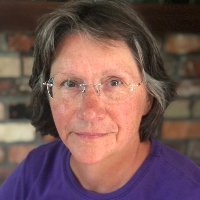
Deborah Osborn, LCSW, LICSW
Licensed in Idaho · 25 years in practice
Deborah Osborn brings a practical, flexible approach to therapy.
License and registration
- LCSW, Idaho
- LCSW-35651 · expires February 2026
- LICSW, West Virginia
- dp00943338 · expires October 2027
- LICSW, Washington
- LW 61317611 · expires February 2026
- LCSW, California
- 120796 · expires January 2028
- NPI
- 1801160619 · national provider identifier
- Years in practice
- 25
- Languages
- English
Details are as listed on the therapist's public professional profile. You can check any license with the state board and any NPI with the national registry.
About Deborah
Deborah Osborn brings a practical, flexible approach to therapy. She blends client-centered care with skills-based methods so people can make changes that fit their lives. Deborah has worked in counseling since 1998 and holds two master’s degrees, including a Master of Social Work.
She practices in Idaho as an LCSW and LICSW and draws on many methods to meet individual needs. Deborah begins by listening to what matters most to each person.
Background and approach
She treats the person as the expert on their life and works together with them to set realistic goals. Sessions focus on small, doable steps that add up over time rather than quick fixes. Her toolbox includes mindfulness practices to help with stress and grounding.
Cognitive Behavioral Therapy techniques are used to name unhelpful thoughts and try different behaviors. She also uses Acceptance and Commitment Therapy ideas to help people clarify values and commit to meaningful actions. Deborah has 25 years of experience helping with common life challenges.
She supports people dealing with anxiety, depression, grief, relationship and intimacy concerns, parenting stress, addiction-related problems, and the effects of trauma and abuse. She also works with issues such as ADHD, bipolar mood concerns, sleeping problems, and career stress. In sessions she emphasizes strengths and practical coping skills.
Deborah offers phone, video, live chat, and text-based messaging formats to fit different rhythms and schedules. She helps people build routines, improve communication, and reduce overwhelm so they can move forward with clearer steps.
Focus areas and approaches
Everything Deborah lists on their public professional profile, in their own terms.
- Stress, Anxiety
- Relationship issues
- Family conflicts
- Trauma and abuse
- Intimacy-related issues
- Addictions
- LGBT
- Grief
- Sleeping disorders
- Parenting issues
- Anger management
- Self esteem
- Career difficulties
- Bipolar disorder
- Depression
- Coping with life changes
- Compassion fatigue
- ADHD
- Abandonment
- Adoption and foster care
- Aging and geriatric issues
- Blended family issues
- Codependency
- Communication problems
- Control issues
- Coping with natural or human-caused disaster
- Divorce and separation
- Domestic violence
- Emptiness
- Family of origin issues
- Family problems
- Forgiveness
- Guilt and shame
- Impulsivity
- Isolation / loneliness
- Jealousy
- Midlife crisis
- Veteran and Armed Forces Issues
- Obsessions, compulsions, and OCD
- Panic disorder and panic attacks
- Phobias
- Polyamory / non-monogamous relationships
- Postpartum depression
- Post-traumatic stress
- Seasonal Affective Disorder (SAD)
- Sexual assault and abuse
- Social anxiety and phobia
- Workplace issues
- Young adult issues
Approaches Deborah names
- Acceptance and Commitment Therapy (ACT)
- Client-Centered Therapy
- Cognitive Behavioral Therapy (CBT)
- Dialectical Behavior Therapy (DBT)
- Mindfulness Therapy
- Motivational Interviewing
- Solution-Focused Therapy
- Trauma-Focused Therapy
- Internal Family Systems
Naming an approach is not evidence of training in it. This directory copies what each therapist lists and does not check training records.
Online support
Therapeutic approaches and online care that fit your life
Acceptance and Commitment Therapy (ACT) helps people clarify what matters most and take small actions that match those values. It’s useful for anxiety, stress, and making changes that stick. Cognitive Behavioral Therapy (CBT) focuses on noticing unhelpful thoughts and testing new behaviors to reduce symptoms like worry and low mood. Mindfulness Therapy teaches simple attention and breathing practices to lower reactivity and improve sleep and focus.Finding the right approach is a collaborative process. The therapist listens to a person’s goals and tries methods that fit their needs and preferences. Progress is tracked together, and techniques are adjusted when something isn’t working well.
Online therapy offers practical flexibility. Video calls allow face-to-face conversation when schedules or travel make in-person meetings hard. Phone sessions can work when bandwidth is limited or a shorter check-in is needed. Live chat and text-based messaging let people share updates or get brief support between sessions without scheduling a full appointment. These options make it easier to keep therapy consistent alongside work, parenting, or other commitments.
We will earn a commission if you sign up through our link, at no cost to you. It does not change what you pay or the order of the listings.
Questions people ask
What concerns does Deborah focus on?
She helps with anxiety, depression, stress, grief, trauma and abuse, relationship and intimacy issues, parenting strain, addiction-related problems, sleeping difficulties, ADHD, bipolar concerns, and many life transitions.
What is her therapeutic style like?
Her style is collaborative and practical. She listens first, then combines client-centered listening with skills from CBT, ACT, DBT, and mindfulness to build a tailored plan.
How much experience does she have?
She has 25 years of counseling experience, beginning in 1998, and brings long-term clinical practice to common life and mental health challenges.
What credentials and region are listed?
She holds LCSW and LICSW credentials and practices in Idaho with the credential details CA LCSW and WV LICSW noted in her background.
Which languages are supported and can she work internationally?
Sessions are offered in English. She does not accept international clients at this time.
What session formats are available?
Sessions can be scheduled as video calls, phone sessions, live chat, or text-based messaging to fit different schedules and needs.
How does cost and payment work?
Cost varies with location and therapist availability. Sessions use a subscription model that can be canceled at any time.
What are the first steps to start therapy?
To begin, select the Start Therapy button, complete a short matching questionnaire, and schedule sessions according to therapist availability.
More therapists in Idaho
See allRachel Webster
LCSW
Practical support for stress and life changes
- Stress, Anxiety
- Family
- Trauma and abuse

Robert Payne
LCSW
Experienced LCSW focusing on relationships and resilience
- Stress, Anxiety
- Relationship
- Trauma and abuse

Matthew Christensen
LCSW
Calm, practical therapy focused on real-life change
- Stress, Anxiety
- Addictions
- Trauma and abuse


Is this your profile?
Ask us to correct details or take the page down.
Contact us