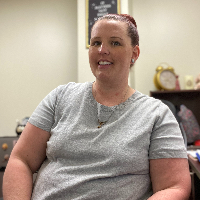
Tara Lineberry, LICSW, LCSW
Licensed in Virginia · 10 years in practice
Tara Lineberry is a Licensed Independent Clinical Social Worker who focuses on practical, down-to-earth therapy.
License and registration
- LCSW, Virginia
- 0904011010 · expires June 2026
- LICSW, Massachusetts
- 124783 · expires August 2026
- NPI
- 1619506367 · national provider identifier
- Years in practice
- 10
- Languages
- English
Details are as listed on the therapist's public professional profile. You can check any license with the state board and any NPI with the national registry.
About Tara
Tara Lineberry is a Licensed Independent Clinical Social Worker who focuses on practical, down-to-earth therapy. She uses a warm, nonjudgmental style to help people who are dealing with stress, anxiety, trauma, relationship challenges, addiction, eating concerns, grief, and career or life transitions. Tara works with people to find strengths and small steps that make daily life easier.
She earned a Master's of Social Work from the University of Southern California and brings ten years of clinical experience in mental health, trauma, domestic violence, sexual assault, and addiction.
Background and approach
That experience informs how she listens and responds in sessions. Tara emphasizes building trust first, so people feel safe to share difficult thoughts and feelings. In sessions she offers practical tools from Cognitive Behavioral Therapy and Emotionally-Focused Therapy along with EMDR and mindfulness approaches when appropriate.
She helps people spot unhelpful thinking patterns, practice new ways of relating, and process painful memories at a pace that fits the client. Tara also uses motivational interviewing skills to support change and to help people draw on their own strengths. Her approach blends active skill teaching with a calm, supportive presence.
She aims to help clients make manageable shifts that add up to real change. She works with clients in Virginia and with international clients in English. Tara provides sessions by video call, phone, live chat, or text messaging and uses a subscription model that can be canceled at any time.
Focus areas and approaches
Everything Tara lists on their public professional profile, in their own terms.
- Stress, Anxiety
- Relationship issues
- Family conflicts
- Trauma and abuse
- Depression
- Addictions
- LGBT
- Grief
- Intimacy-related issues
- Eating disorders
- Parenting issues
- Self esteem
- Career difficulties
- Bipolar disorder
- Coping with life changes
- Coaching
- Compassion fatigue
- ADHD
- Abandonment
- Attachment issues
- Blended family issues
- Body image
- Commitment issues
- Communication problems
- Control issues
- Disruptive Mood Dysregulation Disorder (DMDD)
- Dissociation
- Domestic violence
- Eating and food-related issues
- Family of origin issues
- Family problems
- First responder issues
- Forgiveness
- Isolation / loneliness
- Jealousy
- Mood disorders
- Panic disorder and panic attacks
- Postpartum depression
- Post-traumatic stress
- Pregnancy and childbirth
- Seasonal Affective Disorder (SAD)
- Self-love
- Sexual assault and abuse
- Social anxiety and phobia
- Women's issues
- Workplace issues
- Young adult issues
Approaches Tara names
- Cognitive Behavioral Therapy (CBT)
- Emotionally-Focused Therapy (EFT)
- Eye Movement Desensitization and Reprocessing (EMDR)
- Mindfulness Therapy
- Motivational Interviewing
- Narrative Therapy
- Solution-Focused Therapy
- Trauma-Focused Therapy
Naming an approach is not evidence of training in it. This directory copies what each therapist lists and does not check training records.
Online support
Approaches that guide online sessions
CBT, or Cognitive Behavioral Therapy, focuses on identifying unhelpful thoughts and changing behaviors that keep problems going. It is often useful for anxiety, depression, stress, and patterns that interfere with daily functioning.Emotionally-Focused Therapy helps people notice and shift emotional responses in relationships and attachment patterns. It can help with intimacy-related concerns, communication problems, and strengthening emotional connection to oneself and others.
EMDR, Eye Movement Desensitization and Reprocessing, involves guided processing of traumatic memories to reduce their emotional intensity and the ways they affect daily life. It is offered when processing past traumatic events is part of the client's goals.
Choosing the right approach is a collaborative process. The therapist will talk with the client about goals, history, and preferences, then recommend strategies or combine approaches that match those needs. Clients and the therapist adjust the plan over time based on what is helpful.
Online therapy options include video calls, phone sessions, live chat, and text-based messaging. Video works well for in-depth conversations, phone can be useful when bandwidth is limited or to avoid being on camera, live chat supports focused check-ins, and messaging lets people share thoughts between sessions. These formats make scheduling more flexible and can help therapy fit around work, parenting, and travel.
We will earn a commission if you sign up through our link, at no cost to you. It does not change what you pay or the order of the listings.
Questions people ask
What concerns does she help with?
Tara works with stress, anxiety, depression, trauma and abuse, addictions, grief, self-esteem, career changes, relationship and intimacy issues, eating-related concerns, ADHD, bipolar issues, and compassion fatigue among other areas.
What is her therapy style and approach?
Her style is warm, open, and nonjudgmental. She blends Cognitive Behavioral Therapy, Emotionally-Focused Therapy, EMDR, mindfulness, and motivational interviewing techniques to fit the person sitting across from her.
How long has she practiced?
She has ten years of clinical experience working in mental health settings that included trauma, addiction, domestic violence, sexual assault, eating disorders, and self-esteem work.
Where is she licensed and based?
She holds MA LICSW and Virginia LCSW credentials and practices from Virginia.
Which languages are supported and can international clients connect?
Sessions are offered in English and international clients are accepted.
What session formats are available?
She offers video calls, phone sessions, live chat, and text-based messaging for convenient ongoing support.
How does billing and cost work?
Sessions use a subscription model and the cost varies with location and therapist availability; the subscription can be canceled at any time.
How do I start working with her?
Begin by selecting the Start Therapy button, complete a short matching questionnaire, and then schedule a session according to the therapist's availability.
More therapists in Virginia
See all
Dr. Kayla Thorne
LCSW
Supportive LCSW focused on practical change
- Stress, Anxiety
- Trauma and abuse
- Self esteem

Delores Smith
LCSW
Compassionate practical therapy for life changes
- Stress, Anxiety
- Relationship
- Grief


Is this your profile?
Ask us to correct details or take the page down.
Contact us