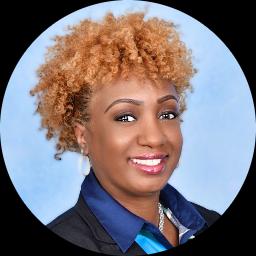
Dwanne Clayton, LCSW, CSW
Licensed in Florida · 5 years in practice
Dwanne Clayton is a Licensed Clinical Social Worker who helps people managing stress, anxiety, depression, relationship strains, and challenges around self-esteem.
License and registration
- LCSW, Florida
- SW20823 · expires March 2027
- LCSW, Georgia
- CSW009063 · expires September 2026
- NPI
- 1881092898 · national provider identifier
- Years in practice
- 5
- Languages
- English
Details are as listed on the therapist's public professional profile. You can check any license with the state board and any NPI with the national registry.
About Dwanne
Dwanne Clayton is a Licensed Clinical Social Worker who helps people managing stress, anxiety, depression, relationship strains, and challenges around self-esteem. She works with adults facing grief, trauma, parenting stress, career transitions, and concerns linked to intimacy and sexual identity. Sessions are offered in English and take place online through video, phone, chat, or messaging.
Clayton uses straightforward, practical strategies to help clients make small changes that add up. She draws on cognitive behavioral techniques to spot unhelpful thinking patterns and on mindfulness to build calm and focus.
Background and approach
Emotionally-Focused Therapy ideas guide work on connection in relationships, while Acceptance and Commitment Therapy supports finding values and motivation. Her approach centers on collaboration. Clients bring their goals and stories, and she helps shape steps toward clearer choices and better daily functioning.
Therapy often includes homework between sessions, simple skill practice, and real-world problem solving to support progress outside the meeting time. Clayton has five years of direct therapy experience and holds the credentials LCSW and CSW. She practices from Florida and brings experience addressing a wide range of issues including ADHD, caregiving stress, blended family concerns, body image, and kink-friendly sexuality topics.
Getting started is a short process of filling a matching questionnaire and scheduling a session. She aims to make early sessions focused and practical so clients leave with one or two things to try before the next meeting.
Focus areas and approaches
Everything Dwanne lists on their public professional profile, in their own terms.
- Stress, Anxiety
- Relationship issues
- Family conflicts
- Self esteem
- Depression
- LGBT
- Trauma and abuse
- Grief
- Intimacy-related issues
- Sleeping disorders
- Parenting issues
- Anger management
- Career difficulties
- Bipolar disorder
- Coping with life changes
- Coaching
- Compassion fatigue
- ADHD
- Abandonment
- Adoption and foster care
- Aging and geriatric issues
- Attachment issues
- BDSM, kink, and alternative sex culture
- Blended family issues
- Body image
- Cancer
- Caregiver issues and stress
- Codependency
- Commitment issues
- Communication problems
- Control issues
- Coping with natural or human-caused disaster
- Dependent personality
- Divorce and separation
- Domestic violence
- Emptiness
- Family problems
- First responder issues
- Forgiveness
- Guilt and shame
- Hospice and end-of-life counseling
- Impulsivity
- Infidelity
- Isolation / loneliness
- Jealousy
- Life purpose
- Midlife crisis
- Veteran and Armed Forces Issues
- Mood disorders
- Multicultural concerns
- Narcissism
- Panic disorder and panic attacks
- Polyamory / non-monogamous relationships
- Postpartum depression
- Post-traumatic stress
- Prejudice and discrimination
- Process addiction (porn, exercise, gambling)
- Self-love
- Sex addiction
- Sexuality
- Social anxiety and phobia
- Traumatic brain injury
- Women's issues
- Workplace issues
- Young adult issues
Approaches Dwanne names
- Acceptance and Commitment Therapy (ACT)
- Client-Centered Therapy
- Cognitive Behavioral Therapy (CBT)
- Emotionally-Focused Therapy (EFT)
- Mindfulness Therapy
- Motivational Interviewing
Naming an approach is not evidence of training in it. This directory copies what each therapist lists and does not check training records.
Online support
How therapeutic approaches shape online care
Acceptance and Commitment Therapy helps people notice what matters to them and take small actions toward those values even when emotions are difficult. It can be useful for anxiety, depression, and coping with life changes. Cognitive Behavioral Therapy focuses on identifying thought patterns that feed stress and depression and then testing new behaviors to change outcomes. It is practical for sleep problems, low mood, and anxiety. Client-Centered Therapy centers the client's own perspective and uses empathic listening to build trust and clarity, which supports work on self-esteem and relationship issues.Choosing the right approach is part of the work. The therapist will collaborate with each person to decide what methods fit their needs, goals, and preferences. That plan can change over time as progress is made and new concerns arise.
Online therapy offers flexible ways to connect using video calls, phone sessions, live chat, or text-based messaging. Video is good for face-to-face conversation and deeper emotional work. Phone sessions require less bandwidth and can fit a break at work. Live chat and messaging are useful for brief check-ins, ongoing coaching, or practicing skills between meetings. These options make it easier to keep continuity of care while fitting therapy into a busy life.
We will earn a commission if you sign up through our link, at no cost to you. It does not change what you pay or the order of the listings.
Questions people ask
What issues does she help with?
She helps people with stress, anxiety, depression, relationship and family concerns, self-esteem, grief, trauma, ADHD, parenting strain, career changes, and intimacy-related matters.
What is her therapy style like?
Her style is collaborative and practical, using clear tools and homework to build skills and create change between sessions.
What experience does she bring?
She has five years of direct therapy experience working with adults on a broad range of emotional and relational issues.
Where is she based and what are her credentials?
She practices in Florida and holds the credentials LCSW and CSW.
Which languages are supported for sessions?
Sessions are offered in English.
What session formats are available?
Sessions are offered by video calls, phone sessions, live chat, and text-based messaging.
How is cost handled?
Cost varies with location and therapist availability; sessions are provided through a subscription that can be canceled at any time.
How do I begin working with her?
Start by selecting the Start Therapy button, complete the short matching questionnaire, and then schedule sessions according to the therapist's availability.
More therapists in Florida
See allAmeenah Wright-Troutman
LCSW
Compassionate, practical support for life transitions
- Stress, Anxiety
- Grief
- Self esteem

Dr. Virginia Clark
LCSW
Experienced LCSW supporting life changes
- Stress, Anxiety
- Addictions
- Trauma and abuse
Carolyn Allen
LCSW
Compassionate practical support for everyday challenges
- Stress, Anxiety
- Self esteem
- Career

Is this your profile?
Ask us to correct details or take the page down.
Contact us